×

Reduce your cart abandonment and checkout times with PayTabs’s 3DS 2.0 compliance

Category: Guest Posts

3DS 2.0

OTPs and static passwords are costing you sales

Cart abandonment is an 18 billion USD problem for merchants worldwide. A staggering  7 out of 10 shoppers abandon their carts, making it a major worry for e-commerce businesses. Among mobile users, it’s even higher; 85.65%.

A study in the US found that 18% of shoppers abandoned their cart because checkout is too complex. Another 17% did so because they were worried about their credit card information safety.

Merchants need to offer ease of check out and peace of mind to their customers if they are to address the problem. In MENA, until now, payment gateway providers only offered payment authentication via static passwords and One Time Passwords (OTP/OTPs), which cause high friction and security worries among shoppers.

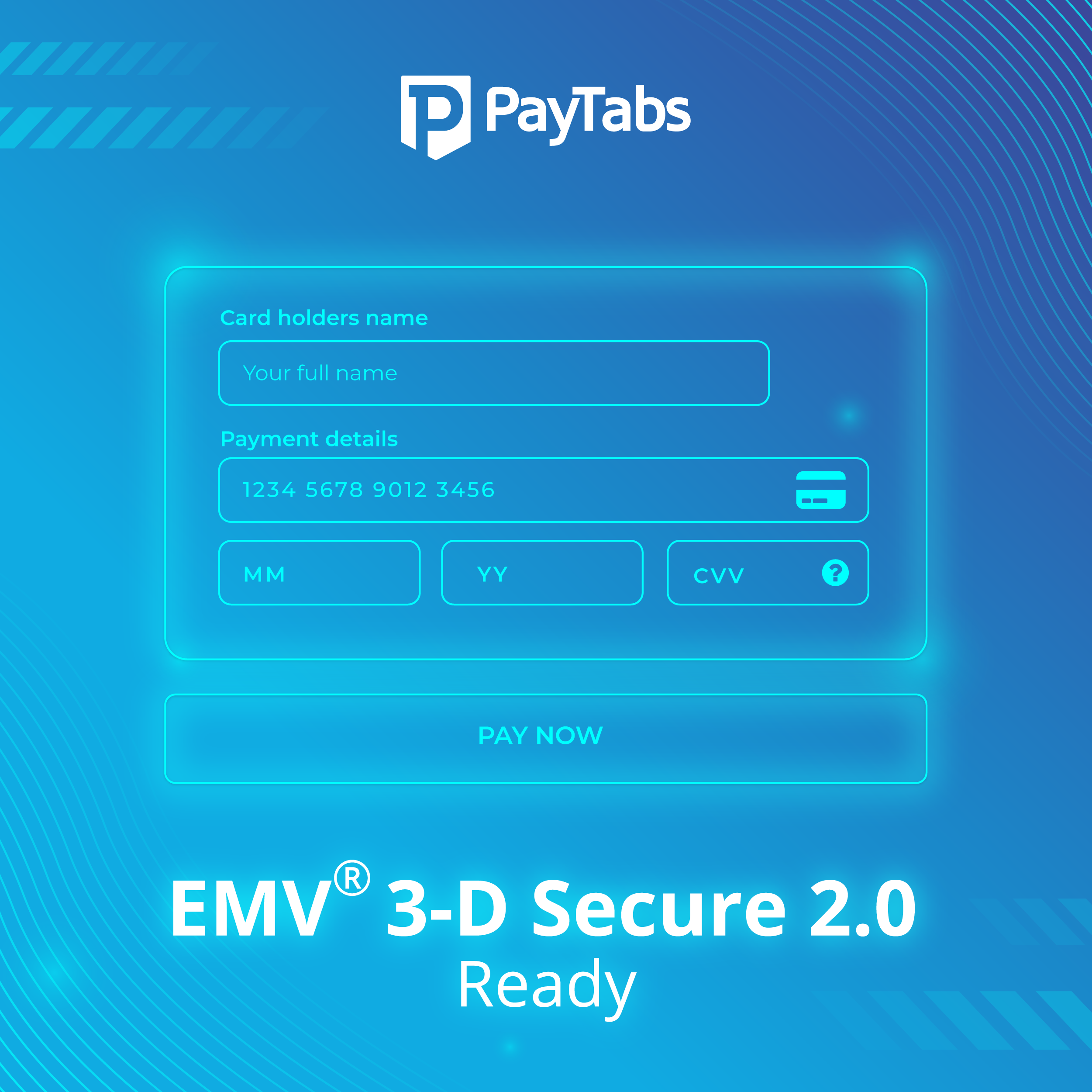
PayTabs brings you the new risk-based authentication technology, 3DS 2.0, a solution to these problems provided by EMVCo, a global regulatory body for payment safety. PayTabs is among the first companies in the world to become 3DS 2.0 compliant and the very first in Egypt.

What is 3DS 2.0?

 3 Domain Secure 2.0 (3DS 2.0) is a new security protocol for authenticating transactions where the cardholder is not physically present.

3DS 2.0 is a complete shift from 3 Domain Secure 1.0 (3DS 1.0), introduced in 1999. Although 1.0 to 2.0 sounds like an upgrade, the two protocols work very differently.

How 3DS 1.0 works

3DS 1.0, shares information and authorizes payments via static passwords and OTPs. It soon proved to be not good enough, as it was,

  • High levels of friction
  • Risk due to OTP redirects and static passwords
  • Incompatible with mobile
  • Incompatible with digital wallets

The challenges with 3DS 1.0 persisted, despite the new versions that were released. Buyers kept abandoning carts and merchants kept losing sales. Enter 3DS 2.0.

How 3DS 2.0 works

 The key difference between the two protocols is how they authenticate transactions. 3DS 1.0 uses Two-Factor Authentication (2FA). 3DS 2.0 uses Risk-based authentication.

2FA is a static process and does not make any judgements on the transaction risk involved. Risk-based authentication is dynamic and makes assessments based on various factors. The factors include,

  • Transaction amount
  • Number of transactions within a timeframe
  • Cumulative payment amount within a timeframe
  • Merchant and country

Risk-based authentication uses biometric data and tokens. A fingerprint is much faster, easier, and secure than any password. Payments Journal has reported a case study where checkout times were reduced by 85% and cart abandonment rates were reduced by 70% after 3DS 2.0 was implemented.

Differences between 3DS 1.0 and 3DS 2.0

  3DS 1.0 3DS 2.0
Support environment Browsers only Browsers, native mobile integration, supports wallets
Risk judgement None used Risk-based authentication used
Data safety Not good. Redirects to new web pages expose data. No redirects, therefore safe and effective.
Authentication procedure 2FA Risk-based authentication
Authentication is done via Dynamic OTPs and static passwords Biometrics such as fingerprints, voice, palm

How to switch to 3DS 2.0?

 Visa will discontinue support for 3DS 1.0 after October 2022 as the world moves to 3DS 2.0.

PayTabs will help all customers who wish to transition do so for free. Your customers will benefit from the added security and better UX across their browsers, apps, and devices. You’ll be able to enjoy better conversions and sales at no extra cost.

Our tech support will make the switch as seamless as possible for you.

Be one of the first merchants in MENA to integrate 3DS 2.0 security

Show your customers how much you care about their safety and experience. Get an edge over your competitors.

Contact us today and we will help you transition within a couple of days  to 3DS 2.0.

 

Kasun Pathirage
– Kasun Pathirage is an expert freelance content writer for B2B fintech and SaaS brands.
Learn more about his work via his website: verbauream.com.

Top 8 Silly B2B Ecommerce Myths That Are Holding You Back

Ecommerce is a great chance for you to increase your B2B sales. Whether you’re just starting out, or strengthening existing relationships, giving customers the chance to buy from you online makes great business sense. Ecommerce has surged in popularity in the last few years and by incorporating it into your business plan, you can ensure you remain at the forefront of your field.

PayTabs
Image Source


The 8 myths holding you back

Despite its importance in today’s world, myths abound on what ecommerce entails and who it is for. In order to launch a successful ecommerce business, it’s worth making sure you know exactly what it involves. So let’s look at eight common myths and show why they’re wrong, as well as providing practical advice on what you can do to make ecommerce work for you and your B2B customers.

1. Ecommerce isn’t the right fit for my business

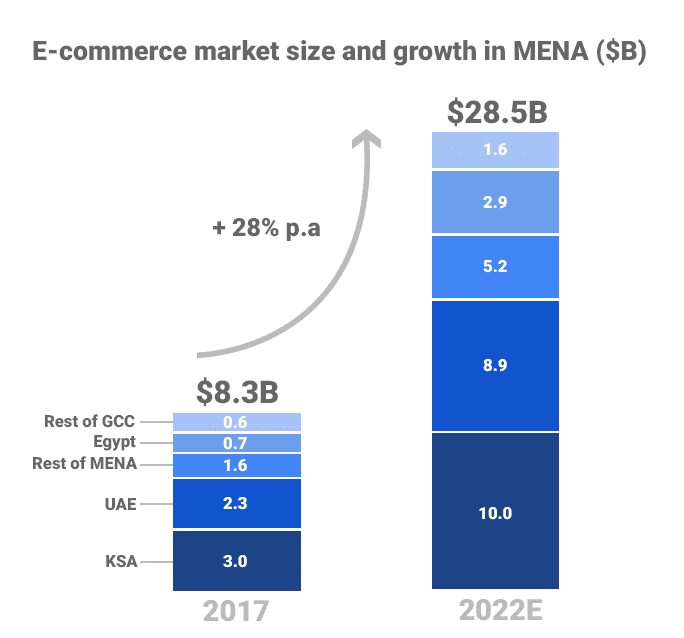
Some companies think that their customer base won’t be interested in buying online. But, at the end of the day, the more options you have for sales, the greater the chance you have of increasing business. Besides, recent statistics show that the ecommerce MENA market is worth around $22 billion. With 82% of businesses in Saudi Arabia and the UAE planning to buy online in the future, it’s clear the demand is high.

2. B2B ecommerce is expensive

This may have been true in the past, but with the advances that have taken place over the last few years, it is no longer the case. Various platforms allow you to create a business website at an affordable price. One of the key ways you can cut costs is by considering an RPA solution. While there is an initial upfront cost, in the long run it reduces the amount of repetitive tasks your employees need to do – saving you time and money.

Top 8 Silly B2B Ecommerce Myths That Are Holding You Back
Image Source

3. You need to appeal to everyone

Let’s say you’ve made the decision to create a new website that incorporates options for business customers. You might be tempted to try and appeal to theoretical new buyers out there. However, it’s far better to craft the website around customers you already have. By tailoring it to their needs, you will put them at ease and show them how much you value your continued relationship. Your website doesn’t need to appeal to everyone – just to your ideal customers and intended market.

4. Ecommerce is impersonal

For those who have really honed their communication skills over years of face-to-face interactions, selling online can be a daunting prospect. But ecommerce doesn’t need to be impersonal, or replace human interaction. You can still keep your phone lines open, and, using an automatic call distribution system, send the call to agents familiar with particular clients. 


By having a customer sign-in option, you can provide personalized options on the website too – from unique offers, to easy invoicing.

5. Just by having a website you’ll attract customers

Let’s say you’ve invested the time and money to create a fancy new website. What should you do next? There’s no use having ecommerce options if no one knows they are there. Promotion is key. Tell existing customers about your website during face-to-face sales and via your call centre. Invest in SEO, paid adverts and other marketing campaigns.

6. Social proofs are not required for B2B ecommerce

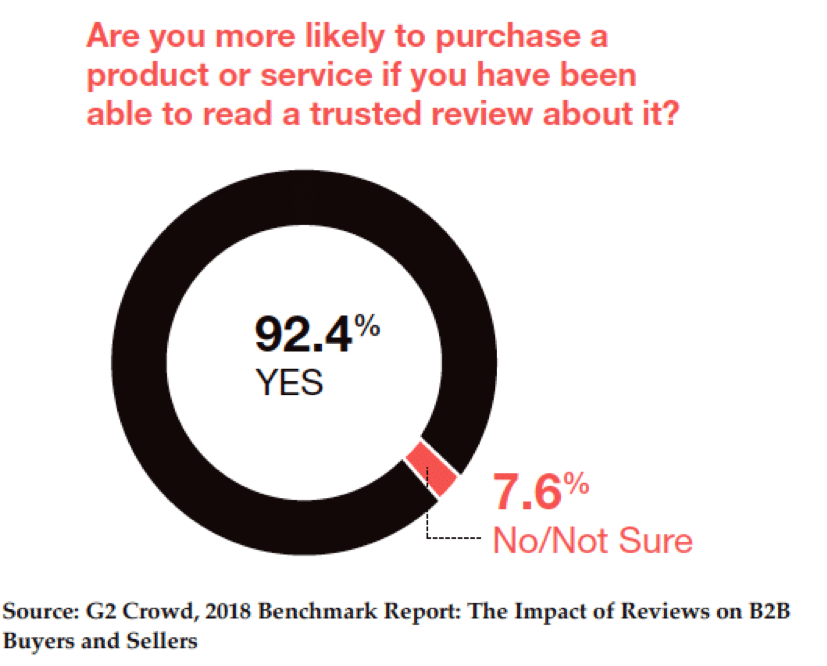
Reviews and testimonials are just as important for B2B sales as to B2C ones. From the very beginning of your new online journey, create a space for them on your website and encourage them on your social media platforms. Post-purchase emails will encourage customers to leave reviews – and you can use ecommerce automation solutions to send these automatically! Make sure to actively engage with any reviews you recieve, especially negative ones. Acting on feedback is a surefire way to make customers feel heard.


PayTabs

Image Source

7. Sales representatives aren’t needed in B2B ecommerce

Sales representatives will always be needed for the familiarity of human interactions they bring. They can continue to act as ambassadors for your company and their role in cross-selling and upselling will continue to be key. As they go about their daily work, sales representatives can promote your online store. You can retrain your team online by using video conference solutions for small business to make sure everyone’s on the same page.

8. Business customers don’t want to deal with technology

Your business buyers are likely to be familiar with online purchases. The leap from doing it for personal items to doing it for their business is not that big. It also has lots of advantages – technology can help repetitive tasks like order management become easier by having information about past orders saved on their online account. 


If you do find your existing customers struggling, you may find it’s worth building a core team of agents that can help walk customers through the process of ordering online. Additionally, consider chatbots or a self-service hub where they can quickly find answers to their questions. This can help turn even the most technophobic users into happy customers.

Conclusion

By setting aside these eight myths, you can focus on ways to make ecommerce work for you. The preceding guidelines will help you to modernise your business and keep your customers happy. With a little reflection and adaptation, you can make some important changes without losing sight of what makes your business so great in the first place. Remember: ecommerce doesn’t mean losing who you are. It just means expanding on it.


Jenna Bunnell
-Jenna Bunnell is the Senior Manager for Content Marketing at Dialpad, an AI-incorporated cloud-hosted unified communications system with automated answering services that provides valuable call details for business owners and sales representatives. She is driven and passionate about communicating a brand’s design sensibility and visualizing how content can be presented in creative and comprehensive ways. Here is her LinkedIn.

Paytabs launches Paytabs Market, a Centralized Platform to Manage Online Payments across Multiple Branches and Stores.

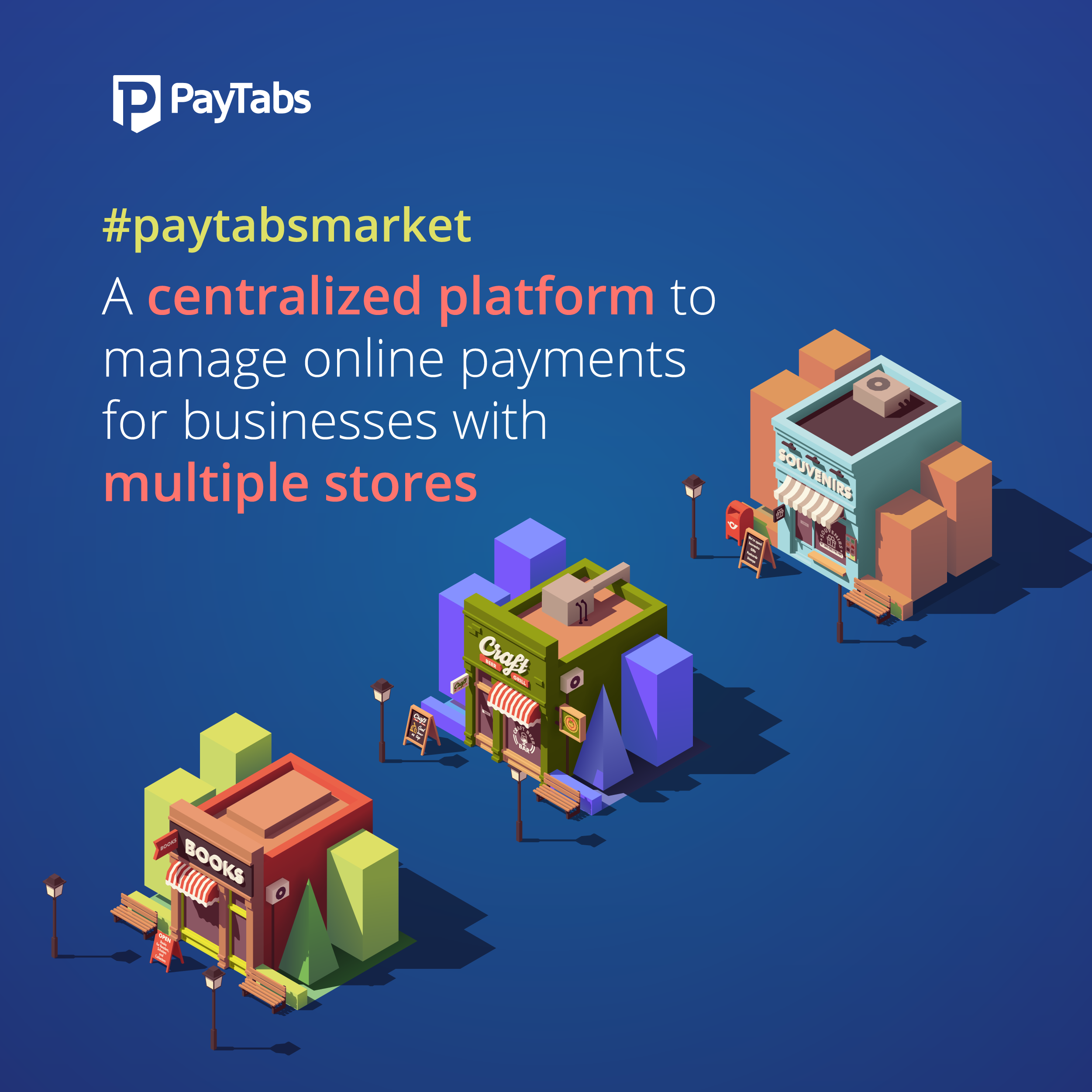
Paytabs, an award-winning payment solutions company that helps entrepreneurs and small and medium-sized enterprises in the MENA region achieve their full potential in online payments – has launched a new platform called, Paytabs market.

Paytabs market is the ideal express payment platform for managing a handful of sellers and vendors in the e-commerce space. It is a centralized platform designed to help companies and businesses of all shapes and sizes manage online payments across multiple branches and stores.

It works best with any business or company that operates more than a single branch or store across different countries and cities in the MENA region. Businesses can now use the platform to manage multiple sellers and vendors and also receive payments from customers.

The way this works is simple. You can use it to create and access multiple vendor profiles within a single dashboard. The business, merchant or company will go through a series of registration and onboarding processes, while the stores and branches will become listed under the same company.

The company or merchant will sign up for the platform and then continues with the onboarding application. Paytabs then reviews the company in need and then approves the application. After that, the platform creates profiles for the merchant or company for each sub-vendor. Now the vendors and branches can start processing their activities while the merchant or company monitors their transactions.

The platform gives the ability to report and manage the group profiles involved for the business. It also offers management capabilities for the user or teams involved.  You can also use the dashboard to view and monitor the activities and transactions of the group profiles within the business.

Paytabs Market offers lots of benefits. Some of these are:

  1. It supports multiple currencies and local payment options for the country in which the business operates.
  2. It supports online wallets or e-wallets, debit cards, and credit cards.
  3. It helps merchants to offer unique and customized invoices to their customers.
  4. It supports and manages store accounting and pay-outs.
  5. Offers single and bulk invoicing options to businesses.
  6. It helps merchants and businesses to operate manual, scheduled and recurring invoices to their customers.
  7. It supports Paylinks – a web link that directs customers to a payment page and QR payments for social commerce. It helps to make online payments super simple.
  8. It integrates e-commerce plugins from popular providers like Shopify, WooCommerce, Magento, and many others that suit your business model and online shoppers and enable seamless check-out for customers.


Abdullah Idris
-Abdullah Idris Makarfi is a writer and content marketing strategist for companies in the finance industry. He works with brands offering financial services to create content that increases their website traffic, generate inbound leads and improves their keyword rankings. You can check out some of his work here: https://medium.com/financegeek.

How to Build a Better Site for Your Small Biz

Running a business in the current digital era is no longer viable without a website. Even brick-and-mortar startups need some online presence to survive as modern customers search for everything, right from products, business location, to operating hours, from the internet. Therefore, building a simple website for your business can give you an edge in your niche. Besides, if you have products or services to offer, a website can help you reach new markets easily and cheaply.PT

Fortunately, web design software has evolved and can be used by anyone. You don’t need to master programming languages to build a functional website. Below are some guiding tips on how you can build a better site with ease.

1. Choose Your Site Building Platform

You should choose a user-friendly website-building platform that doesn’t require extensive coding knowledge to build your website. Below are some recommendations for your small business website;

  • WordPress – WordPress.org is a good option as it comes with several features that allow users to build their sites with ease. However, you will have to find a third-party hosting provider.
  • Hosted website builder – if you want an all-in-one website building platform, hosted builders, such as Wix or Squarespace, are good options. Unlike WordPress, you don’t need to find third-party hosting. However, you will have restricted design flexibility.

You should consider several factors before deciding on your preferred platform. For instance, while WordPress is an open-source platform that is free to use, hosted website builders have subscription fees, which vary depending on your chosen plan.

2. Choose a Domain Name

The domain name is an important feature of any website, as it is the URL you will share with your customers or prospects and on social platforms. Therefore, you should choose a descriptive and easily memorable domain name. Keep it short and avoid using abbreviations, numbers, or acronyms to prevent confusing your customers.

You should also choose a top-level domain, which is the suffix of your domain name. Choose between .net, .com, or .biz. There are non-traditional TLDs also, which were based on location, like .nyc or business type, such as .marketing, .law, or .agency. Once you have chosen an appropriate domain name, you should confirm its availability and buy it from a domain registrar. Popular domain registrars include GoDaddy, Wix, Domain.com, and Squarespace.

3. Find a Hosting Provider

Your website can’t be complete without being hosted. Basically, hosting is a server that stores all the data that customers find on your website. For a small business, hosting your website might be expensive, making it prudent to use external hosts. You can choose from two main options, the first being shared hosting, which is a less expensive option, or dedicated hosts, which costs more.

Shared hosting means you will have to share the server with other websites. On the other hand, dedicated hosting gives you access to a private server. As mentioned, hosted website builders provide hosting for their clients. Consider several factors, including costs and reliability, when choosing a host for your website.

4. Add Content Pages

With a good domain name and hosting, it is time to start adding content to your website. Consider the following standard pages for your small business website;

  • Homepage – this is the first thing that visitors see when they open your website. Your homepage should have a brief description of your business and navigation buttons to other pages.
  • Products and services page – used to describe products and services offered.
  • About us page – use it to share your story and details of your team.
  • Blog – an important page for your content marketing strategy.
  • Contact page – include a contact form for customers who want to reach out.

5. Test and Publish Your Website

Before referring people to your website, you should test to ensure that it works in most browsers, including Microsoft Edge, Safari, Internet Explorer, and Chrome. Click through every page on all browsers to ensure that links, images, and content formats are displayed correctly. While this might be tedious, it will save you from future complaints that customers can’t access some features.

Part of testing involves optimizing your site for search engines. This includes optimizing the website for speed, using the right keywords, using a responsive design that works on all devices, and appropriate use of internal and external links. Once you’ve ensured that everything is right, you can market your website to your customers through social media and other channels.

The Bottom Line

Having an online presence is important if you want to reach a new audience and survive the current digital era. Fortunately, building your business website isn’t as challenging as before, thanks to various technological tools. If outsourcing your web development for your small business isn’t an option, you can do it yourself with some basic coding skills. Veterans can leverage the GI Bill Benefits to finance their web development courses.


How to Build a Better Site for Your Small Business
-Angela is a data science enthusiast who graduated from Penn State with a B.S in Computer Science. She currently works with coding schools and small businesses to help build better websites.

PayTabs Partners with a Local Payment Solutions Provider in Iraq to Drive Digital Payment Growth in the Country

PayTabs is an award-winning payment solutions company founded in 2014 in Saudi Arabia. It empowers entrepreneurs, small and medium-sized enterprises in the MENA region to achieve their full potential in online payment performance and allowing businesses to make digital transactions and receive customer payments.

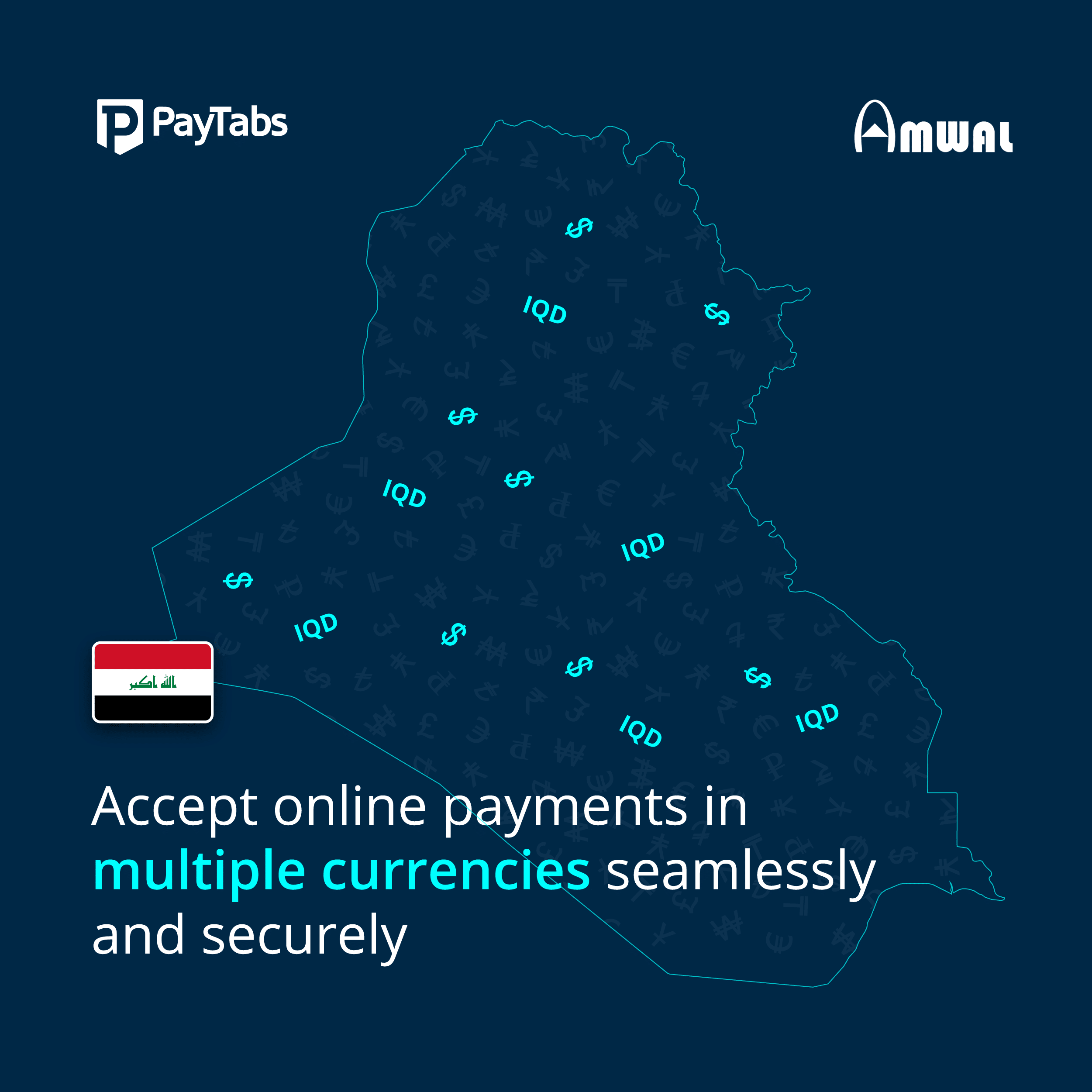
Recently, the company announced its collaboration with Amwal Payment Services, a local payment solutions provider in Iraq, to help power digital payment processing and transform small and medium-sized businesses.

The consistent rise in the e-commerce business strategy has brought in an impressive number of followers in Iraq with curiosity tapping into the market but with no tools to scale their online businesses.

Amwal is an electronic payment service established in 2009 and is responsible for installing lots of Point of Sale (POS) facilities across Iraq. The company was given an official license by the Central Bank of Iraq to issue, acquire, and process global electronic payments, especially MasterCard in the region. Amwal has been collaborating with the Central Bank of Iraq to offer several financial services to banks, such as upgrading banks to online banking systems.

The B2B payment solutions provider, in collaboration with Amwal, seeks to expand into the Iraqi market to create digital transformation in payment and transaction processing. It also seeks to enhance e-commerce enterprises and operations in the region. To achieve these objectives, it aims to facilitate online payments, recurring payments, e-invoicing and multiple payment options.

According to data from the World Bank, only 23% of Iraqi residents have access to an account at a financial institution. Most companies in the region still operate their business in cash, with only 26% of enterprises in Iraq using digital banking systems. An estimated 98% of employers make their purchases or transactions in hard currency. Nearly half of those also pay their suppliers in notes.

William Glass, a FinTech entrepreneur whose mission is to improve financial well-being globally, once highlighted the prerequisites to succeed in a new market during expansion. “When a payment company expands into a new market, it’s important that they first understand what made them successful in their current market. Answer the question, what problem do you solve for your customers and what makes you better than other methods of making payments? From there, expansion into the new market is about finding the customers who most closely resemble those current customers”, he adds.

Paytabs currently supports multiple payment processing across markets in the Middle East and North Africa, enabling businesses to make digital transactions and receive payment from customers. The company facilitates transaction processing in multiple currencies across 49 different industries with multiple alternative payment options such as MasterCard and Visa card schemes. Some of their awards winning products include:

  1. Online payments enable merchants and businesses of all shapes and sizes to pay and get paid instantly, seamlessly, and securely all over the globe.
  2. Recurring payments enables merchants and businesses that offer consistent services to receive payments from clients. Good examples are SaaS companies and gym memberships.
  3. Pay links – a secure payment link that helps merchants and businesses to sell over social media platforms such as Facebook, WhatsApp, and Instagram.
  4. E-invoicing to clients/customers across the globe and receive payments in the country.

Paytabs venturing into the emerging Iraqi market in collaboration with the veteran payment partner, Amwal, will empower Iraq’s small and medium-sized enterprises and e-commerce entrepreneurs towards a seamless digital transformation in payment methods.

The global pandemic has necessitated the increase in the adoption of digital payments in most countries that operate a cash-driven economy, including Iraq. With Paytabs, retailers and businesses in Iraq will benefit themselves by becoming financially viable in the online community and scale up their businesses.

The CEO of PayTabs, Abdulaziz Al Jouf, was excited about the development and made a positive remark. “The e-commerce market in Iraq is at the brink of serious development, and we at PayTabs are excited to become a part of this journey along with entrepreneurs and businesses. The most peculiar attribute about PayTabs is that we are corporate in outlook, but we think and act locally in every market we enter, to have a better understanding of the market needs and then customize our products to suit each business”.


Abdullah Idris
-Abdullah Idris is a freelance writer/content marketer for start-up companies offering financial services. Learn more about his work here

PayTabs
Privacy Overview

This website uses cookies so that we can provide you with the best user experience possible. Cookie information is stored in your browser and performs functions such as recognising you when you return to our website and helping our team to understand which sections of the website you find most interesting and useful.