×

5 Easy Ways to Use Social Commerce to Improve Your SEO

Category: Guest Posts

5 Easy Ways to Use Social Commerce to Improve Your SEO

Social commerce is an important and innovative development in the field of digital marketing. While not entirely new, it has had a major resurgence in recent years, especially among retailers. Social commerce can significantly speed up companies’ integration into the physical business channel and enhance their brand exposure.

Social commerce is the integration of social networking into the shopping process. It improves your SEO by creating new content that drives additional traffic to your site, builds your brand presence on social media, and increases customer loyalty. This trend indicates that social network users are more likely to purchase and use products as they become aware of them while using their favorite networks. To boost your revenue and profit from social commerce, you have to have a sound knowledge of your target audience, understand their feelings and behavior patterns on different networks, and always provide them with the best user experience.

5 Most Powerful Social Commerce Tactics to Improve Your SEO

1. Master social search optimization

With many consumers now engaging directly with social networks to do their shopping, brands that want to win in this space must master the basics of social search optimization. In order to succeed, you have to do more than just send out a series of tweets, maintain a Facebook page, upload stunning images on Instagram, or write a blog post once in a while. A solid and consistent SEO strategy can help you reach your specific target market – not only boosting your brand but driving direct traffic back to your website, too.

First, consider your goals for each channel, including what keywords you will use and how social media fits into your overall strategy. To succeed on social media, brands need to invest time into creating personalized, relevant content and deliver an outstanding customer experience from the moment their customers touch social network channels. You need to establish clear pathways within your social profiles and make sure everything is easy to navigate. It is also important to have a clear, compelling description of what you can offer on your business page that is written in a way that inspires shareability with your target audience.

Moreover, by using hashtags correctly, you’ll make sure that when your target market is researching products, they come across yours. And don’t forget to keep your geo-data up to date – on both your profile and posts. A local business may think the right keywords are being used, and the website is showing up in local search engine results. Still, it may be losing local leads. It could be due to an incorrect address listed on the website. Make sure your location is available on Google Maps or other local service providers, and get your web address listed correctly in search engines.

hashtags-can-improve-your-SEO

2. Invest in social checkout

The reality is that the cumbersome nature of purchasing through traditional methods has limited the growth of eCommerce. This blunted growth is due to shoppers preferring a convenient buying process, which allows them to purchase items in just a few clicks. You can grab the attention of your customers on popular online media channels like Instagram by allowing them to purchase directly from your social media. The ability to shop on social media brings customers as close as possible to the checkout process, which makes them more likely to complete their purchases.

Although this selling model lets customers complete purchases without leaving the social media app, they still have to visit the site for checkout. For example, Facebook and Twitter don’t have a “Buy Now” button that automatically charges users, so they have to click on a link to continue the process. For sellers, this means that one or two extra clicks are needed to secure conversions.

As a site owner, you want the checkout experience to be a smooth and pleasant one. This means making sure your site is fast and responsive on all devices and that your checkout can handle heavy traffic without error. With the help of SE Ranking, you can score your site in a matter of seconds and get some useful tips on how to enhance your site performance. It will thoroughly assess your website’s technical health, notify you of all issues based on their level of significance and category, as well as check your Core Web Vitals so that you will be able to improve user experience.

the-results-of-the-SE-Ranking-website-audit

3. Create audience-focused and engaging content

With the huge growth and adoption of social networks, many businesses are now thriving and making money off of social sharing. For businesses to improve their chances of success on these platforms, they need to ensure that the content created for their social media marketing campaigns is engaging, relevant, and of high quality. By providing content that is relevant to people’s interests, businesses will attract larger audiences, which will, in turn, increase their chances of seeing strong results in the sales funnel. Doing this requires a natural understanding of what the audience likes. Once you understand how your ideal customers interact, it becomes easier to engage with them, and it will show in conversions for your website.

the-formats-marketers-use-to-distribute-content-for-social-media

Sites that create great content are able to build trust with their audience and capture leads. With so many eCommerce sites on the web now, it’s more important than ever to really differentiate yourself with your products, services, and brand experience. Since many people share their shopping experiences on social media, with accurate infographics and fascinating facts, your brand can encourage potential customers to click on your website to find more information or make a purchase.

4. Encourage UGC

UGC is content provided by users, also known as “user-contributed content” or “user-generated content”. UGC generally refers to users uploading their own photos and videos. It could also be text contributions from users, e.g., comments, forums, reviews, etc. When a potential customer sees that others have used, liked, and been happy with your service/product, they have more confidence in making an expensive purchase. So it should come as no surprise that encouraging customers to share their stories (which then also becomes social proof) increases your sales. It’s also a great tool for generating traffic, leads, and even conversions.

tagging-product-in-Instagram-feed

Encourage user-generated content by giving your customers the tools to post images of the product they bought from your store, such as a social sharing widget or a photo-sharing website button. This will give people another chance to have people look at your brand and will also allow them to provide you with feedback on your products as well. This way, social proof entices visitors to convert and proves your business’ superiority to convince visitors to convert. Highlighting user-generated content on social media channels also builds credibility, as it helps to establish trust from visitors.

5. Make purchasing easy

Until recently, the customer journey was linear. Now, social commerce has made it possible for users to interact with promotions and products. It is a more convenient option for users and allows social networks to offer a new stream of revenue by serving as a bridge between discovery and purchase. When your visitors can make a purchase in a few clicks versus having to log into their email account or even create a new one together – you will see higher conversions and increase your bottom line.

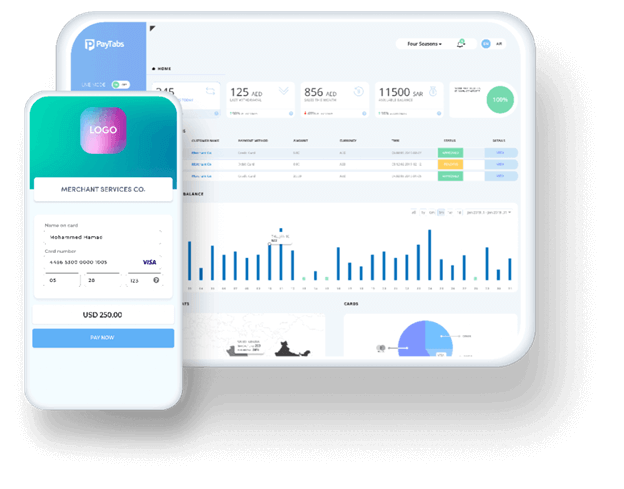
Paytabs is an easy-to-use and powerful shopping cart addon designed to help you sell digital and physical products. It is designed specifically for small online businesses that need a convenient and secure way to take payments online. Paytabs enables you to start processing payments instantly, with no credit card merchant account required. With it, anyone can process in-person credit card payments without any special software or hardware.

PayTabs-addon-that-integrates-online-store

Conclusion

The world, along with the Internet, has evolved since the time of wide open spaces. Competing in online markets is more challenging than ever before. Today, there are millions of websites on search engines and social media platforms, all vying for attention. Social commerce applies the principles and best practices of social media to traditional marketing efforts to drive awareness and increase sales. When planning a social commerce strategy, the first thing to consider is where you want to sell your products. You need to choose networks where your target audience spends its time and focus on adding value there through promotions, tailored content, and personal engagement. Social commerce allows you to reach out to your existing and prospective customers, increasing brand awareness and driving sales leads.

ConradConrad
Conrad is a professional blogger, content maker, and freelance writer. He has written many great and valuable posts on a variety of topics. Conrad loves outdoor activities. He believes the fresh air brings him inspiration for new ideas.

E-commerce valuation: Measure your online business worth

Whether you’re looking to sell your online business, or simply to gauge how much it’s worth, e-commerce valuation is a useful process that’s not always intuitive.

That’s why this article is going to take you through the steps and workflows associated with the task.

We’ll also discuss the reasons why you’d need to conduct a valuation in the first place, as well as covering the factors to take into consideration to help you start off on the right foot.

Importance of business valuation

E-commerce valuation lets you gauge the rate at which your online-based company has grown.

That’s particularly useful if you’re new to the world of e-commerce business, or if you’re looking to grow in the near future–in which case you’ll also benefit from financial technology like Paymes by PayTabs, which helps you get into the e-commerce world more quickly and easily.

E-commerce valuation: Measure your online business worth
Image sourced from PayTabs.com

Business valuation is also crucial when you’re selling your company. It’s difficult to secure buyers without proof that your company is highly valuable, after all.

By conducting regular or semi-regular business valuations, you can ensure your company is still growing at acceptable rates. You can also compare its estimated growth with its actual growth, which helps you create more accurate estimates in the future.

E-commerce business valuation methods

In order to work out what your business’ total value is, you must first determine what your earnings are, as these make up a major factor in the overall figure. To that end, you can use the following methods.

SDE method

SDE, or Seller’s Discretionary Earnings, emphasizes the importance of your company’s cash flow history. It can be calculated as follows:

SDE = Revenue – Cost of Goods Sold – Operating Expenses + Owner Compensation

As it’s a very straightforward formula and approach, the SDE method is popular among businesses that don’t have specific accounting skills.

EBIDTA method

Short for Earnings Before Interests and Depreciation and Amortization, the EBITDA method determines your e-commerce store’s overall profitability instead of focusing exclusively on its actual profits in a given year.

That’s why EBITDA is more accurate, on the whole.

Mature businesses that aren’t going through sudden growth jumps tend to prefer EBITDA for this reason.
E-commerce valuation: Measure your online business worth

Free to use image sourced from Unsplash

DCF analysis

Another popular method is DCF (Discounted Cash Flow) analysis. This focuses on the future, and on extrapolating based on current facts rather than historical ones.

DCF analysis calculates the future worth of a company based on how long it will most likely take before that business starts seeing ROI on the products they sell. Alternatively, it can consider the length of time it will take before companies get ROI on their customers.

Revenue and growth valuation

This approach is great for e-commerce businesses that focus on rapid, large-scale growth, including startups and other high-value new e-commerce companies.

Obtaining your values in this method is quite simple. All you need to do is set a fixed period, usually a year, and look at the total revenue your company earned in that time. We’ll be taking that number and applying a multiplier to it shortly; this is the earnings multiple.

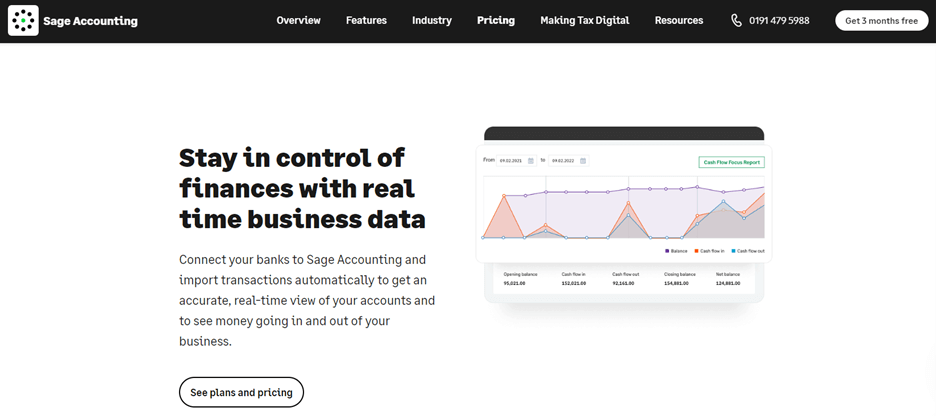
To easily access the data you’ll need for this valuation, you can use specifically designed accounting software for online sellers. This can track and monitor your financial information so you’ll always have access to the necessary data.
E-commerce valuation: Measure your online business worth

Screenshot taken from sage.com

Critical drivers when valuing an e-commerce business

Since a valuation is meant to give an overview of the business’ value as a whole, it has to take a lot of key variables into account.

Here’s a quick overview of some of the other biggest factors to consider.

Business age

How long has your company existed for? If it’s very young, you may have a harder time proving that any financial success it’s enjoyed can be replicated going forward, which negatively affects its value. On the other hand, an older business will have a provable record of surviving difficult times, which improves its overall value.

Financial health and records

Are your records, especially your financial ones, well-organized and easy to use? Anyone auditing your business should be able to find what they need in a matter of minutes. Otherwise, you risk sounding like your valuation is not based on facts.

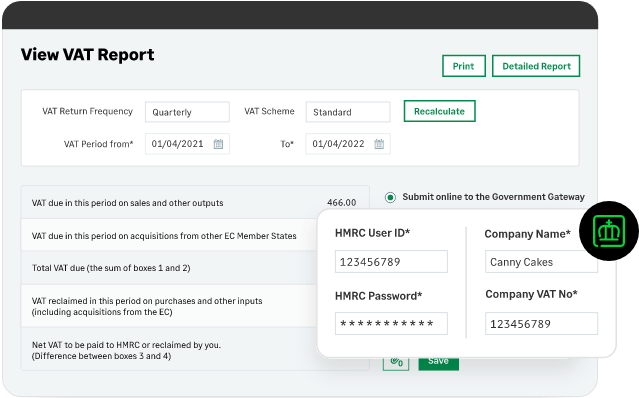
If you’re a UK business owner, getting a headstart on the HMRC’s Making Tax Digital (MTD) scheme will keep your records organized and up-to-date. Even if you’re not based in the UK, adopting a digital approach to your taxes and financial records will keep them streamlined and make backing up your valuation that much easier.

It will also demonstrate to any prospective buyers that you’re ready to handle any new developments quickly and effectively. These could be developments like MTD in the UK or the Federal Decree Law No. 47 that has recently been passed in the UAE.
E-commerce valuation: Measure your online business worth

Image sourced from sage.com

Revenue concentration

Does all of your income originate from a single source, or are your sources of revenue more diversified? Do you trade internationally, or is your business focused on dealing with local clients?

A company with high revenue concentration is less likely to sell well, as this creates more liabilities and makes it harder to deal with unpredictable factors in the future (or unprecedented events like the global pandemic).

RRC rate (Refund, Returns, Chargebacks)

Does your company take a hands-off approach to customer relationships, or do you put in active work to educate customers and nurture them? If it’s the latter, you’re likely to see fewer RRCs, since customers will only make educated choices about purchases and are therefore more likely to keep the items they buy.

Website

E-commerce sites can only be profitable when enough people visit them. This is why the levels of traffic your online store sees factor into its earnings multiple. This is because a store that already has high traffic levels as a result of excellent website design has greater value to a prospective buyer.

The takeaway

E-commerce valuation can be difficult, but it’s a very useful process to know how to carry out. When you’re able to value your business accurately, you’ll have a clear indicator of how much it’s worth, and how much it’s grown over the years.

Also, a valuation lets you see your business’ worth in the context of its industry, age, and practices. This helps you get a realistic idea of the total worth of your business whether you’re based in Europe, Middle East, or America.

Bio:

Sage.comSage is the global market leader for technology that exists to knock down barriers so everyone can thrive. Millions of small and mid-sized businesses, our partners, and accountants trust our finance, HR, and payroll software to make work and money flow. We digitise business processes, strengthening relationships between SMBs and customers, suppliers, employees, banks, and governments. Knocking down barriers also means we use our time, technology, and experience to support digital inequality, economic inequality, and the climate crisis.

How to Integrate Payment System Into the Existing App

How to Integrate Payment System Into the Existing App
Two or three years ago, users preferred to choose and pay for online purchases from their desktops. However, statistics show that payments from mobile devices are almost equalized with more familiar payments from PCs. This trend is predicted to continue growing. That means mobile payments will soon become an industry standard.

There are several variants of social commerce payments: to connect aggregator’s or gateway’s services and be satisfied with an adaptive version or create your application with a smart payment mechanism. Below we will discuss in more detail how to integrate a payment system into existing apps.

What mobile apps exist?

There are two classifications of applications. The first classification divides apps into native and non-native by how they are developed. By default, native applications are those written using a native programming language (Java/Kotlin for Android, Swift/Objective C for iOS).

The second classification divides apps into native and hybrid based on where the main content is stored. In native apps, the application’s main functions are available offline; the server side stores, for example, only databases. Hybrid applications store data on the server and implement all functions not related to hardware (for example, catalogs and product cards in an online store application).

How to Integrate Payment System Into the Existing App

How to integrate the payment system into an application

So how to integrate the payment system into an app? Let’s discuss WebView, deep linking, aggregator/gateway API, and mobile SDK.

WebView

One of the most popular ways to integrate a payment system is when the user goes from the mobile app’s interface to the payment system’s interface.

WebView advantage is that it is easy to integrate. Almost all content and functionality are embedded into the app from your website. This option suits cross-platform apps.

WebView disadvantage is the possible loss of customers due to switching to an unfamiliar interface and difficulties with payment. WebView does not have access to browser cookies and authorization mechanisms for some payment methods, so paying for purchases is sometimes quite a painful process. It happens that the card data are not stored in cookies at all. People have to re-enter the data each time. And when paying with an electronic wallet, they also have to authorize themselves.

Deep linking

A deep linking is a one-click link that takes a person to a specific application screen. Example: You decide to buy a ticket for a concert on a landing page, click the “pay” button, and are redirected to the online app. Or, if you don’t have it installed, you are redirected to the app store to install it.

The advantage of deep linking is that the user is not afraid despite the transition to another application. People have used it a hundred times.

The advantage of deep linking is that the user leaves the current application and may not return to it. Additionally, deep linking does not always work as intended (especially on different devices). Another disadvantage is that if deep linking sends the customer to an app page he has never used, he or she is unlikely to make a purchase.

Integration with aggregator/gateway API

The differences from the payment process on the website are minimal. An agreement is signed with the aggregator to provide services for the app. The payment form is integrated via API. But in this case, you must implement all payment forms by hand (card data – number, date, CVC, email or phone number, etc.).

API integration has one significant disadvantage – a PCI DSS certificate, which you have to get to connect to the services of the payment system. PCI DSS is a security standard for all organizations that store, process, and transmit cardholder and/or other authentication data. This is difficult but doable for medium and small businesses, although it can be associated with weeks of testing the application for compliance with the necessary parameters.

PayTabs offers a Unified API Gateway (UAG), a flexible integration solution. It is optimum for empowering mobile banking and payment applications along with Digital Banks and Instant Payments.

Mobile SDK

The SDK is a software library for iOS and Android that makes life easier for app owners and developers. Unlike the API, which is more like ready-made building blocks, the functionality of the SDK is broader, comparable to a workshop full of different tools to create anything.

PCI DSS compliance is not required: the customers’ bank card data is not passed through the online store’s backend system, so there is no need to undergo certification. The company providing the SDK solution, like PayTabs, will do it. Payment takes place in the app’s native interface – the user does not need to go to the web.

PayTabs offers a plug-and-play SDK that facilitates seamless and secure payments via your mobile app.

Conclusion

You probably know that apps are expensive. But if your top competitors have had one for a long time, it’s worth thinking about: it’s more convenient for consumers to shop this way.If you don’t want to bother – WebView is fine, but from a UX point of view, it’s not the best solution (especially when paying for purchases). Mobile SDK is on a larger scale and will require more resources at the application creation stage, but the final result will be more viable and comfortable from the user’s point of view.

Alyse FalkAlyse Falk
Alyse Falk is a freelance writer with experience in digital marketing, technologies, content marketing, marketing trends, and branding strategies. Alyse also writes for several reputable sites where she shares her hints for creating content.

Online Store Management Tools

Online Store Management Tools

Creating eCommerce stores can be a very complicated process not to mention it’s very expensive and time-consuming. But if you have the right set of tools at your disposal then it might be possible for you to streamline the development process, reduce the costs and manage your eCommerce shop more efficiently. If you collaborate with an eCommerce development company then they can do it all for you while you can sit back and focus on your core KPIs.

But it doesn’t matter if you are building a site in-house or outsourcing it to developers, eCommerce management tools play a vital role in helping business owners develop and manage their online store. They not only help you run your eCommerce business smoothly but also help you grow your sales and stand out from your competition.

A wide range of online store management tools are available in the market and every one of them has something unique to offer but all of them have one function in common, i.e. to help you build, manage and boost your online business. In this article, we are going to discuss different types of tools that can help build and grow your eCommerce business.

7 Types Of Ecommerce Tools

You can build and boost your online store in several ways. Here we are going to talk about some tools that are widely used by eCommerce companies around the world to achieve their goals.

1. Ecommerce Platforms

The most important decision you have to make while creating an eCommerce website is to pick the right eCommerce platform for it. Such tools can take care of all the development-related requirements from building product pages to shipping orders.

  • Shopify: Shopify is an eCommerce platform and online store builder. The Shopify app allows you to create a secure online store that can be customized with your own branding, logo, and products.
  • BigCommerce: BigCommerce is a platform for online stores, with over 100 integrations with other systems. It has been developed by Shopify and is used by more than 3 million small businesses.

Some other popular eCommerce platforms include Wix, Squarespace, WooCommerce, and more.

2. Content Creation

When you create a website, you also have to create the content to put on it. Sharing content is one of the most effective ways you can make your site visible to potential customers.

  • Canva: It’s a tool that can help you with designing even if you don’t have any prior experience. It comes with drag-and-drop tools that make it easy for you to create and share aesthetically pleasing designs.
  • WordPress: Not every eCommerce business needs to have a dedicated blog but those who plan on providing one for their customers need to use a CMS such as WordPress. This platform can help you build and manage customer relationships, grow your brand and bring in more traffic with the help of blogging.

3. Online Payment Tools

Payment tools for eCommerce are essential. There is no commerce without an exchange of funds. eCommerce sites have to integrate with secure payment tools like Paypal, Stripe, and Paymes. It is highly recommended that you use online payment tools that must be trusted by your customers. And yes, you can use multiple payment gateways to provide options or cover your wide range of customers.

Paymes: It is a secure online payment tool that is popular among customers because it allows you to make secure and instant payments. Paymes also provides you with several payment options including payment via a link or QR code. It is loved by a large segment of home-based business owners, freelancers, consultants, and other professionals.

4. Sales and Logistics

Another important aspect of the eCommerce business is sales and logistics. Many eCommerce platforms provide logistics tools as a part of their services too. If your platform doesn’t offer suitable tools, you can pick standalone options as well.

Shipwire: It is a global platform that manages orders for retail, dropship channels, and direct-to-customers. You will be able to provide logistical support for both national and international shipping if you integrate your marketplace and shopping cart with Shipwire.

5. Marketing

To increase the reach of your site, you can undertake a wide range of marketing campaigns. A variety of marketing tools are available out there that can help you achieve your goals.

Mailchimp: It is a powerful email marketing tool. They provide a dedicated space to share important updates, promotions, and more with customers. It also helps you streamline your entire marketing process by enabling you to create, and track the progress of your email marketing campaigns. And the best thing is it can be easily integrated with any eCommerce development platform.

Constant Contact and Buffer are some other famous options available in the market.

6. Analytics

Without having the right eCommerce analytics tools to track the performance of your site and the user behavior, you can’t expect to get a high return on your investment. These tools are used to gather enough information that can help you make better decisions.

Google Analytics: Probably the most unrivaled, popular, and widely used tool in this article. There’s no doubt that Google is the most used search engine so it makes better sense to use its tools to keep track of how your eCommerce website is performing on search engines. Using Google Analytics, you can gather all the necessary visitor data needed to help you make better decisions.

Apart from Google Analytics, Optimizely is also an efficient analytics tool that would allow you to conduct A/B testing and more.

7. Customer Service

Online shopping seems easy but sometimes it’s hard for a customer to find products to their preferences. To help them through their entire customer journey, eCommerce sites offer customer support services. Better customer service is a good way to retain customers and bring in new ones as well

Zendesk: This popular eCommerce tool enables you to provide customer support through different channels like chat, email, social media, and more from a single platform. Zendesk also helps you troubleshoot your customer support tickets faster.

Final Thoughts

Choosing the right eCommerce management tool can help you a great deal with your online business. It doesn’t matter if you are just about to start your online business or you already have one and are just looking for some way to increase your reach, you can easily find the answer to your problems from the tools we discussed in this article.

However, it is important to mention that not all of these tools are available for free. Some of them offer a free version, free trials, or demos but many of them come with a paid plan as well. You can use this opportunity to decide which online store management tools can help you achieve your goals.

Vishal ShahVishal Shah
Vishal Shah works as an executive at TatvaSoft.com. He is responsible for new technology integrations in development projects. He prefers to share his valuable insights among the development audience by blogging.

Why it's important for SaaS businesses to educate their customers

Customer education is not a revolutionary idea at all, although it sounds fresh enough. We encounter it every day: welcome letters when registering for a new service or pop-ups on the website are some of the most frequent tools for customer education. However, there are others.

Why it's important for SaaS businesses to educate their customers

Like all digital, the principles of customer education are changing very quickly. The speed at which businesses adapt is more important than ever. This is because of new technologies, more resources (and easy access to them), and a higher awareness of users. If 10-15 years ago the Internet was still fairly uncharted territory for the then adults (service consumers), the current generation Z (1997-2012) grew up with a PC or even a smartphone in their hands. So the demanding nature of today’s audience is already a fact, which should not just be accepted, but something should be done about it.

In this article, we will talk about why it’s important for SaaS businesses to educate their customers.

Why it's important for SaaS businesses to educate their customers

What is customer education?

Customer education means applying tools and resources, like next-gen payment solutions, that help customers use your SaaS product more successfully. 

The goal of customer education for SaaS businesses is to guide people through the customer journey from initial interaction to continued use. Customer education must eliminate the lack of information at different stages of the customer journey. Objectives of customer education for SaaS business:

  • Mastering the product through education
  • Better acceptance of the SaaS product
  • Connecting users through community, certification, etc.

Customer education is a set of tools that help scale other customer success processes. It’s like standing next to the user when he or she fills out a form on the website, and just in time to hold his or her hand saying, “wait, wait, don’t press that button, fill in this information.”

What’s important! Customer education is not the very task of writing documentation or developing learning management systems, courses, and certificates. All of the above are customer education tools. And customer education itself is the implementation of those processes for success. You can find more about customer education on Studocu.

Why it's important for SaaS businesses to educate their customers

Why is it important for SaaS businesses to educate their customers?

Customer education, like many interdisciplinary digital activities, is tightly connected to different aspects of SaaS business. That’s why customer education doesn’t provide one or two clear benefits but rather has a holistic effect on the entire SaaS business, driving its growth and development.

Customer education can impact all steps of the sales funnel. A strong education strategy can lead to thought leadership, a better understanding of what your SaaS brand offers, and higher conversions in the long run.

There are 5 main reasons why it is important to invest in customer education for SaaS businesses:

  1. It shows the customers how to best use your SaaS product, explains its features and strengths, and shows the best practices and tips for a successful SaaS application. Educational content is especially relevant to SaaS and eCommerce industries. In general, the more complex and innovative the product, the more critical customer education is for it. 
  2. It strengthens the support team by giving operators more tools to influence customer decisions. Effective documentation for customer education will help agents better answer questions and can even offload the support team through user self-learning. For example, the same way IVR in IP telephony reduces the number of calls by having the user answer in a voice menu rather than with a real operator. By the way, IVR can also be used as a tool for customer education.
  3. It increases customer satisfaction. Customers have the tools and support they need to use the SaaS product successfully. When customers use the SaaS product successfully, they are more satisfied with both the product and the brand. When a customer is more satisfied, they are more loyal. And this provides some other benefits.
  4. It strengthens the brand. Expertise and awareness don’t just promote the brand and increase reach. It strengthens the SaaS business’s position in the marketplace, promotes “word of mouth marketing,” improves social proof, and ultimately gives a better NPS. And better NPS = satisfied customers = more orders = more profits.
  5. It helps to scale the business. The more customers are aware of the product effectively, the faster the SaaS business grows due to all the benefits listed above. People are more willing to recommend the product to friends and colleagues, leave feedback on it, and use it longer (which increases LTV and improves LTV/CAC). 

Customer education is a win-win for customers and SaaS businesses. The customers get more pleasure from the product (because they understand it better), while SaaS businesses get more profit due to better reviews, outreach, and conversion. 

Conclusion

Of course, customer education is important not only for large SaaS companies like Slack, Checkr, Box, and Optimizely. It is important and necessary for companies of any profile and size. The plan for implementation and optimization of customer education is based on the available resources of the company.

ConradConrad is a professional blogger, content maker, and freelance writer. He has written many great and valuable posts on a variety of topics. Conrad loves outdoor activities. He believes the fresh air brings him inspiration for new ideas.

PayTabs
Privacy Overview

This website uses cookies so that we can provide you with the best user experience possible. Cookie information is stored in your browser and performs functions such as recognising you when you return to our website and helping our team to understand which sections of the website you find most interesting and useful.