×

10 Amazing Ideas For Managing a Team Of Freelancers

Category: Guest Posts

10 Amazing Ideas For Managing a Team Of Freelancers

Managing freelancers can quickly become a difficult job. Especially if you have more than a few freelancers working on different tasks for you. It can be distracting and stressful, leaving you incapable to do your own job.

But how do you actually manage a team of freelancers effectively?

Set clear expectations

Freelancers tend to love clear explanations and expectations. This way they do their job best and become more productive. At the very beginning of cooperation with a freelancer, state what your expectations are and what you need from them.

If you start this way, you set yourself and your freelancer up for success. You can even have a document prepared for every new freelancer to help them learn what you need and want. Have some measurements of quality and productivity as well.

Have regular check-ins

While talking with your freelancers constantly can be counterproductive, it might be a good idea to have regular, scheduled check-ins with them can be useful. Maybe you could have them on a daily or weekly basis.

“Just check-in, see if there are any issues or problems that you need to discuss, if every element of their task is clear or not, and so on. Let your freelancers know when you want to speak with them,” explains Dan Errington, a freelance writer at Assignment Service and Australianreviewer. You can stick to chatting solutions because this way, you don’t interrupt their work too much and they can remain focused.

Have a chat room available

Having an open chat room for all of your freelancers is a great idea because it’s the place they could come into if they face any issues or if they didn’t understand something properly. Other freelancers could help them as well and this is a good solution for creating that team feeling.

Allow flexible work hours

Some freelancers are night owls, some like early mornings. As long as they get the work done every day, as per schedule, be flexible with their work hours. Allow them to work when it’s convenient for them but within reason.

For instance, they can deliver the work within 24 hours of you assigning them a task. It allows them plenty of time to work and plenty of time for their own personal life or obligations.

Track your output

Tracking productivity is important in every industry and with every team. You should constantly check your productivity and find the best ways to increase it as well as the quality of work and the speed of delivery. All of these things mean that your team is functioning as it should.

Test new freelancers with short-term tasks

Before you hire a freelancer, you should make sure that you test them with a short-term task that resemble your long-term tasks. You can also see how fast they work and if their work quality is up to your standards. This is a widely known technique and it works so well for many companies.

Pay them well

People who do freelance work do it just as good and invest just as much time and effort into it – if not more – as people in your office do. Accordingly, they should be paid equally. Always be on time and offer bonuses for quicker turnaround time if you want your freelancers to remain happy and satisfied.

Nurture virtual friendships

Make sure that your freelancers socialize and communicate with each other. This provides them with that office feeling they lack and they will have someone to talk to about everything that’s happening throughout the day.

Know the difference between soft and hard deadlines

“Some deadlines cannot be missed,” says an HR manager, Sacha Benson from Simple Grad and Best Essay Services. “Some are softer than that. Instead of wasting your time and your nerves on these soft deadlines, allow your freelancers to be late if something isn’t urgent but be stricter when it comes to urgent work. Also, let them know for how long they can miss the deadline and tell them that while it isn’t a perfect situation, it’s sometimes understandable.”

Create workflows

Workflow mean that the work gets done faster and more efficiently. Create workflows and instruct your freelancers to stick to them. These are simple yet effective tools in achieving better productivity

Effective Freelance Team Management

Your freelance teams are just like your office teams. Only it’s sometimes much more complicated to run them. Hopefully, these tips will be helpful to you and your freelance team.

Want your freelancers to get started with their services today? Consider adapting Paymes! Paymes is a social commerce solution that allows freelancers to get paid for the services that they provide. It’s a great way to give your freelancers the business and financial independence that they need to get their feet wet in the industry!

Jenny HanJenny Han
Jenny Han is a recruiting analyst and writer for Top essay writing services and Via Writing. She loves writing articles about latest trends in business and helping companies handle their management and teams. Also, she is a proofreader at Academadvisor.

Five SaaS Pricing Models & Three Strategies

Five SaaS Pricing Models & Three Strategies

Image credit: Pixabay

There are various factors determining whether the products will sell. As a SaaS company, you can’t do without a user-friendly website. Loading speed and navigation are also essential to avoid high bounce rates.

Another trend of the 2020s is the predominance of mobile traffic. Many companies optimize their websites by converting them into progressive web apps (PWAs) or create native apps to ensure user comfort. Luckily, the more technologies advance, the more solutions emerge to streamline development. Examples include ready-made templates providing an easy way to develop a PWA.

Product price also plays a crucial role in a purchase decision. That’s why you need to determine your pricing model. In this article, we’re going to explain the two most essential components of competitive SaaS pricing:

  1. pricing models to strike a balance between value and revenue;
  2. pricing strategies to meet your growth objectives.

Five SaaS Pricing Models and Examples

There are five major SaaS pricing models, such as:

1. Flat-rate pricing
It’s perhaps the most straightforward approach to market a SaaS service. You offer a single product, a single set of features, and a single price. You typically get paid every month.

2. Usage-based pricing, or pay-as-you-go model
This pricing model revolves around product usage. The more you use, the more your bill increases. Instead, if you use less of the service, you pay less.

3. Tiered pricing
The essence of this approach is to provide a variety of “packages” with a different set of features and prices. You can have as many packages as you like, but the average number is three or four. The sections generally represent low, middle, and high price points. They meet different customer needs, so clients can pick what suits them best.

4. Per-user pricing or per-seat pricing
It’s when a company sells access to its products or services to individual users at a fixed price. If a customer needs two accounts, they pay for two; if they need 100, they pay for 100.

5. Freemium
This pricing model enables users to utilize the basic version of your product or service free of charge. They can proceed to the tiered offerings if they’re satisfied with the tool. A vivid example is a free demo by PayTabs. The company provides SaaS solutions for secure payment management. You can register for it to test the tools before switching to the full version.

Three SaaS Pricing Strategies

  • Penetration pricing

When using this method, the company first sets prices very low to attract customers and increase demand, even at the firm’s expense. The company then raises prices, hoping to keep the same number of clients.

  • Skimming pricing

If you choose a skimming pricing strategy, you deliberately overprice a new product. It helps to obtain super profit to pay off the investments spent on the development, production, and product launch. After that, you gradually reduce the price of the product.

  • Value-based pricing

This approach means that the SaaS company should balance the price and the product’s value when setting the price.

To Sum Up

We’ve gone over five different SaaS pricing models and three strategies. But there is no ceiling on how you can develop your pricing plan. While you may know which model is best for a given product, there’s no need to choose one and stick with it.

Today’s data-driven world allows companies to test multiple patterns. Thus, you’ll see which one meets the requirements better and makes sense. Find even more insights by subscribing to blog alerts and receiving tips from one of the top payment processing providers, PayTabs.

—

About the Author

Alex HusarAlex Husar
Alex Husar, chief technology officer at Onilab. For over 8 years he’s been working on Magento migration and development projects as well as building progressive web apps (PWAs). Alex is an expert in full-stack development who shares his expertise and in-depth knowledge on modern technologies and Computer Software Engineering.

5 Parts Of Your Freelancing Business That Are AI-Ready

When you think of artificial intelligence, you’ll think of huge companies using it to manage large warehouses and thousands of customers. If you’re a smaller enterprise though – say, a freelancer-type company – you’ll still have several areas of your business that are ready and waiting for AI. That might seem outlandish, but it’s true!

Yes, even the most novice freelancer can benefit from the wonders of AI. From cybersecurity to customer support to researching and offering personalized service, AI is right for any freelancer. With that said, here’s just some parts of your business that can benefit from AI, and help you get more from them:

1 – Cybersecurity

 You very likely conduct a lot, if not all, of your business online. That means that customers have to trust you with a lot of their personal info, including their banking details. You need to be able to assure them that you’ll keep them safe, and that includes using several technologies to encrypt them.

AI is improving this process, by helping you secure your online business. A good machine learning AI can see patterns that lead to a cyber-attack before you can, so it can start putting countermeasures in place. It’ll also go through the data to find the source. Once it knows the source, it can defend against it. It essentially acts as an extra security guard, helping keep you and your customers safe.

2 – Customer Support And Experience

 When you think of customer support, you’ll think of a human team ready and waiting at the end of a phone to help support your customers. Of course, there’s a lot that has to be done by humans here, but you can lighten the load using AI.

Fortunately, for freelancers, there are online payment or store systems like Paymes that can help you connect and do business with clients. You can give your clients the option to submit their payments either through a special link (that you create) or through a QR code. And, if your clients prefer to pay through their social media, then they can, since Paymes is a verified social media payments partner. With more security and less paperwork, payments are easy for both you and your clients. It helps retain customers and bring in more sales, which is perfect for you as a small business owner. It’s the perfect online tool for freelancer companies.

3 – Personal Assistants

 Yes, you can use AI as a personal assistant. “That’s something that you can put to use even if you’re a very small or new company, and aren’t able to hire a human assistant” says Jason McDowell, a tech blogger at Write My X and 1 Day 2 Write. “These AIs will be able to do things like manage your calendar, reply to emails, and other regular tasks.”

These are tasks that are important, but routine. They take up a lot of time and as a business owner, that’s something that you just don’t have a lot of. That’s why an AI personal assistant is something that more people are taking advantage of.

4 – Data Research

 As a business owner, you want to be reaching your audience where they are, when they need you the most. In the past, to ensure you’re doing that you’d have to do hours of data research, trying to understand your customer and where they’re coming from.

Now though, you can use AIs to do this for you. They will be able process huge amounts of data in a short amount of time, ensuring that you don’t have to. It saves time too, so you’ll be able to address trends in the market as and when they happen.

5 – Personalization

 This is something that you’ll want to look into, especially as a small business owner. “When your customer feels as though you understand them, they’ll be more likely to be loyal to your brand” says technical writer Harriet Inglesford, from Origin Writings and Brit Student. “You can offer personalization in so many different ways.” That can be by adding their name to emails you send out, to giving them personalized recommendations when they visit your site.

This is something that can be achieved with the right AI. For example, you’ll see Netflix do this by monitoring the past shows that a user has watched, and use that information to recommend similar shows that the user may want. That inspires them to keep watching and using the service, as it can give them the content they want.

5 Parts Of Your Freelancing Business That Are AI-Ready

Wrapping Up

 As you can see, there are lots of ways in which AI can help your business. These areas of your business can greatly benefit from AI, so now’s the time to look into it and see how it can help you.

And, don’t forget: If you need a solution for selling and for collecting your fees and payments instantly, then Paymes is your go-to solution for ensuring that you have a great business experience as a freelancer!

George J.NewtonGeorge J. Newton
George J. Newton is a tech writer with Academic Brits and Dissertation Writing Service, where he covers advances in tech and business. He also writes for Next Coursework .

7 Strategies That Are Proven to Reduce Involuntary Churn (And Help Win Your Customers Over)

Let’s say you’re an app developer. You’ve found your niche, built an original app that you just know people will love, optimized your marketing and discoverability plan, and have what you think is a fail-proof monetization strategy. But for some reason when it comes to product launch a high churn rate is killing your profit margin.

In the language of sales, customer churn rate is the percentage of customers that stopped using your company’s product or service during a certain period of time. 

To calculate your churn rate, just divide the number of customers you lost during a certain stretch of time by the number of customers you had at the beginning of that time period. For example, if you started the quarter with 400 customers and ended it with 380, your churn rate would be 5% because you lost 5% of your customers.

What is involuntary churn?

No matter what product or service you sell, attracting potential customers and convincing them to part with their money is all well and good, but if for whatever reason they can’t finalize payment, you’ve lost a sale.

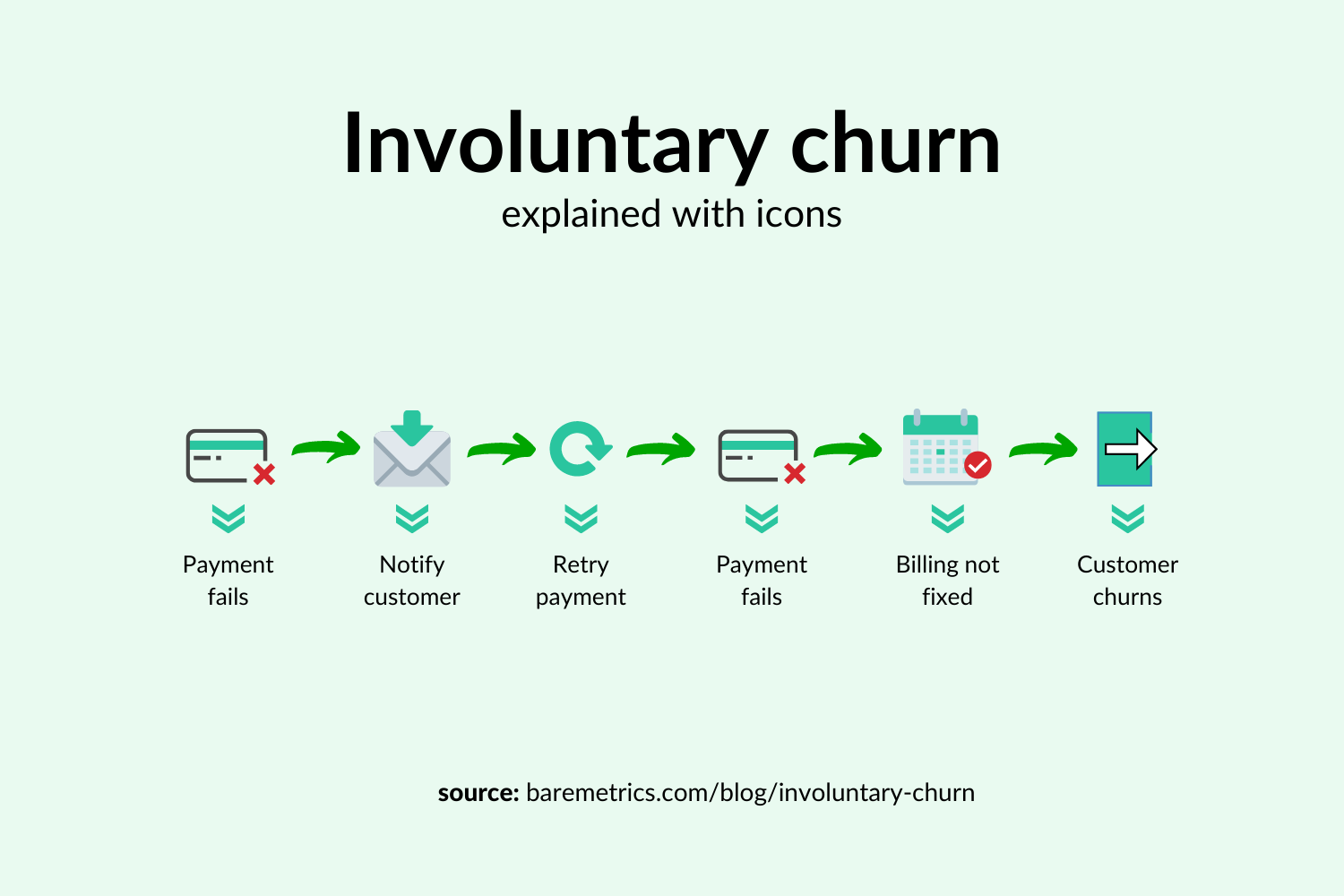
Involuntary churn is exactly this. It refers to when a customer is ready to make a purchase but some unforeseen difficulty prevents them from doing so.

7 Strategies That Are Proven to Reduce Involuntary Churn (And Help Win Your Customers Over)

Because we tend to think of churn rates as a metric that applies to existing customers, we often talk about involuntary churn as a feature of subscription services or business models that rely on repeat payment. 

When analyzing your website’s traffic, it is useful to think about bounce rate vs exit rate in order to get a clear picture of which stage of the user experience people are leaving the site. The same logic applies to churn rates. When exactly in the customer lifecycle you are losing business is just as important as why.

1- Analyze what’s causing your company’s involuntary churn

When thinking about involuntary churn, the first thing you need to ask yourself is what’s causing the churn.

Are payments defaulting because of a problem with your payment gateway? Or is it an issue with your web design that’s causing the site to crash at the point of sale? 

Different businesses will find that different things are causing customers to churn involuntarily. There’s no straightforward way to figure out what’s causing involuntary churn and ultimately it will take different types of testing to do so.

2- Apply best practices when sending dunning messages

Dunning is the process of methodically communicating with customers to ensure the collection of payments owed. It’s a simple but effective way of addressing involuntary churn that many businesses apply to the management of their repeat customers.

If you’re signed up for any repeat payments, subscriptions, or buy-now-pay-later services, you may have received dunning messages in the past. They typically take the form of an email or SMS sent if an expected payment hasn’t been processed for any reason.

If your dunning messages are accusatory or confrontational, you risk alienating the customer for good. After all, most failed payments can easily be rectified by customers simply re-attempting the payment or updating the payment details.

7 Strategies That Are Proven to Reduce Involuntary Churn (And Help Win Your Customers Over)

Source

Ensure your dunning messages clearly explain what has happened, how the customer needs to proceed, and what the next steps are if they fail to make payment.

3- Use card updaters

For merchants who accept credit or debit cards for recurring charges, expired card numbers can be a leading cause of failed payments and involuntary churn.

Card updater services offer an alternative to trying to get in touch with customers on your own. In recent years, American Express and Mastercard have both accelerated innovation in the field and it’s now easier than ever to automatically update card details. 

Compared to trying to get in touch individually, automatic card updaters help you to retain customers while saving time for everyone involved.

American Express offers a service known as Cardrefresher which allows merchants to keep customers’ Amex card details up to date. The service offers daily updates. Merchants can receive the updates directly or through a vendor or processor that updates their recurring billing or card-on-file data.

The Mastercard Automatic Billing Updater is a similar service designed to assist merchants in keeping their on-file card information current. In the Mastercard system, issuers submit account changes to Mastercard’s database, which merchants can access and use to update their own records.

4- Offer multiple payment options

By multiplying the options for payment, and allowing customers to enter a backup option if one fails to process a payment, you increase the likelihood of successful payment and decrease your customer churn rate.

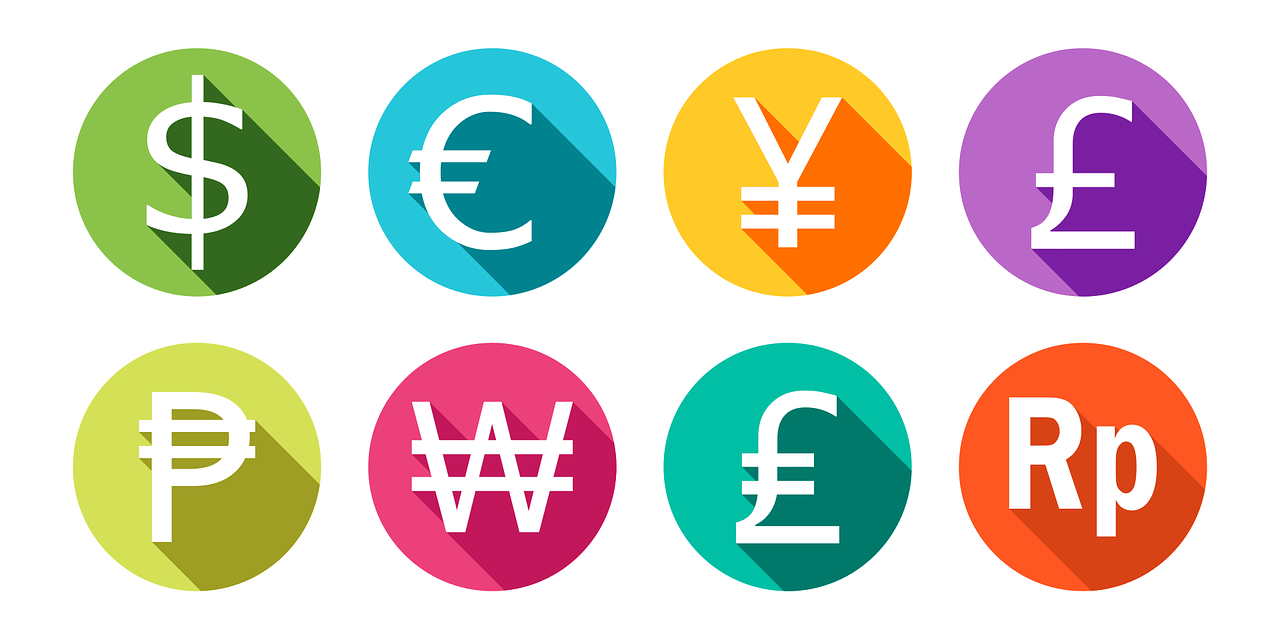
For truly global businesses, make sure you’re partnered with a payment gateway like PayTabs that supports multiple currencies. Nothing is likely to send customers elsewhere than not being able to pay in the currency of their choice.

7 Strategies That Are Proven to Reduce Involuntary Churn (And Help Win Your Customers Over)

Source

5- Encourage direct debit for recurring payments

Direct Debit refers to when customers give their banks the authority to automatically pay recurring charges. It has been one of the most useful banking technologies for businesses that rely on these recurring payments. It is the preferred arrangement for paying utility bills such as gas and electricity and for subscription services such as SaaS business models.

In today’s international payment environment, the best way to get set up for direct debit payments is to enlist the help of a globally-minded payment gateway, that gives you access to the different technologies used to process direct debits around the world.  For example, EG-ACH in Egypt or Masav in Israel.

Remember that direct debits can be used for both incoming and outgoing payments. As well as helping you to reduce involuntary churn by making repeat payments easy for your customers, it can be one of the best tools for affiliate marketing by helping you to pay your affiliates on time.

6- Optimize your retry cycle

Businesses that rely on some form of electronic payment usually implement a retry cycle that automatically attempts to process a payment again when it fails.

7 Strategies That Are Proven to Reduce Involuntary Churn (And Help Win Your Customers Over)

Source

Retry cycles are especially important in fields such as mobile eCommerce in which retailers are entirely dependent upon virtual payment methods.

When thinking about your retry cycle, it helps to divide declined payments into what are known as hard declines and soft declines. 

A hard decline is when the issuing bank does not approve the payment. Causes of hard declines include:

  • Stolen Card
  • Invalid Card
  • Closed Account

With hard declines, you often need to ask the customer to retry, usually with a different payment method.

A soft decline happens when the issuing bank approves the payment, but the transaction fails at some other point in the process. Typical reasons for a soft decline are:

  • Processor Declined.
  • Card Activity Limit Exceeded.
  • Expired Card.
  • The Purchase is Unusual.
  • The Billing Address and the IP Address Do Not Match.
  • The Card is Being Used Abroad.

For soft card declines, it is best to retry the payment at least once straight away. For hard declines, the ideal retry cycle is to retry again over the coming days or weeks. This gives people a chance to rectify the issue, for example by adding new payment details or funding their bank account if the card has insufficient funds.

7 Strategies That Are Proven to Reduce Involuntary Churn (And Help Win Your Customers Over)

Source

7- Don’t cancel unpaid subscriptions

Some businesses automatically cancel unpaid subscriptions without giving the customer a chance to pay another way.

When there’s so much technology out there to help you collect repeat payments, even if your first attempt fails, canceling subscriptions without following up with your customers just doesn’t make sense.

Before canceling any subscriptions, first, you should find out why the subscription is going unpaid. For example, outsourced or inhouse testing might uncover an issue with your payment setup that is causing failed transactions that your customers don’t even know about. If this is happening, canceling the unpaid subscription would create a loss of revenue that could be avoided.

Conclusion

Whether your business model relies entirely on repeat payments, or a combination of payment types, reducing involuntary churn is a simple but effective way to increase your profits.

After all, a happy customer who continues to pay month-in month-out for a service they value is a great thing for any business. These types of customers can help you survive dips in growth and keep the revenue coming in when other sources dry up.


Emily Rollwitz Emily Rollwitz – Content Marketing Executive, Global App Testing
Emily Rollwitz is a Content Marketing Executive at Global App Testing, a remote and on-demand app testing company helping top app teams deliver high-quality software, anywhere in the world. She has 5 years of experience as a marketer, spearheading lead generation campaigns and events that propel top-notch brand performance. Handling marketing of various brands, Emily has also developed a great pulse in creating fresh and engaging content. She’s written for great websites like Airdroid and Shift4Shop. You can find her on LinkedIn.

Ecommerce vs Digital Marketing: A Comparative Guide to Help Your Business Succeed

Ecommerce vs Digital Marketing: A Comparative Guide to Help Your Business Succeed
These two terms, ecommerce and digital marketing, are often used synonymously. In fact, they refer to two very different things. If you have an online business or work in one, it’s important to fully understand the differences.

Where it gets confusing is that ecommerce and digital marketing often go hand in hand. Both can also exist independently. For example, an ecommerce business could trade without digital marketing. Similarly, digital marketing could be used by a physical business.

Introducing Digital Marketing & Ecommerce 

Basically, ecommerce is the act of selling online. Whether that’s through a mobile app or an ecommerce site, it’s all ecommerce. Digital marketing, on the other hand, is the act of marketing through digital channels. Social media ads, email campaigns, and so on. They are similar and often complementary disciplines. Many businesses will make use of both. Almost all businesses will use one or the other at some point. 

What do we Mean by Ecommerce?

Let’s look at ecommerce in a little more depth. We’re talking about selling online or through an app. But we’re also talking about how you deliver the goods to your customers. Logistics is an important part of ecommerce. 

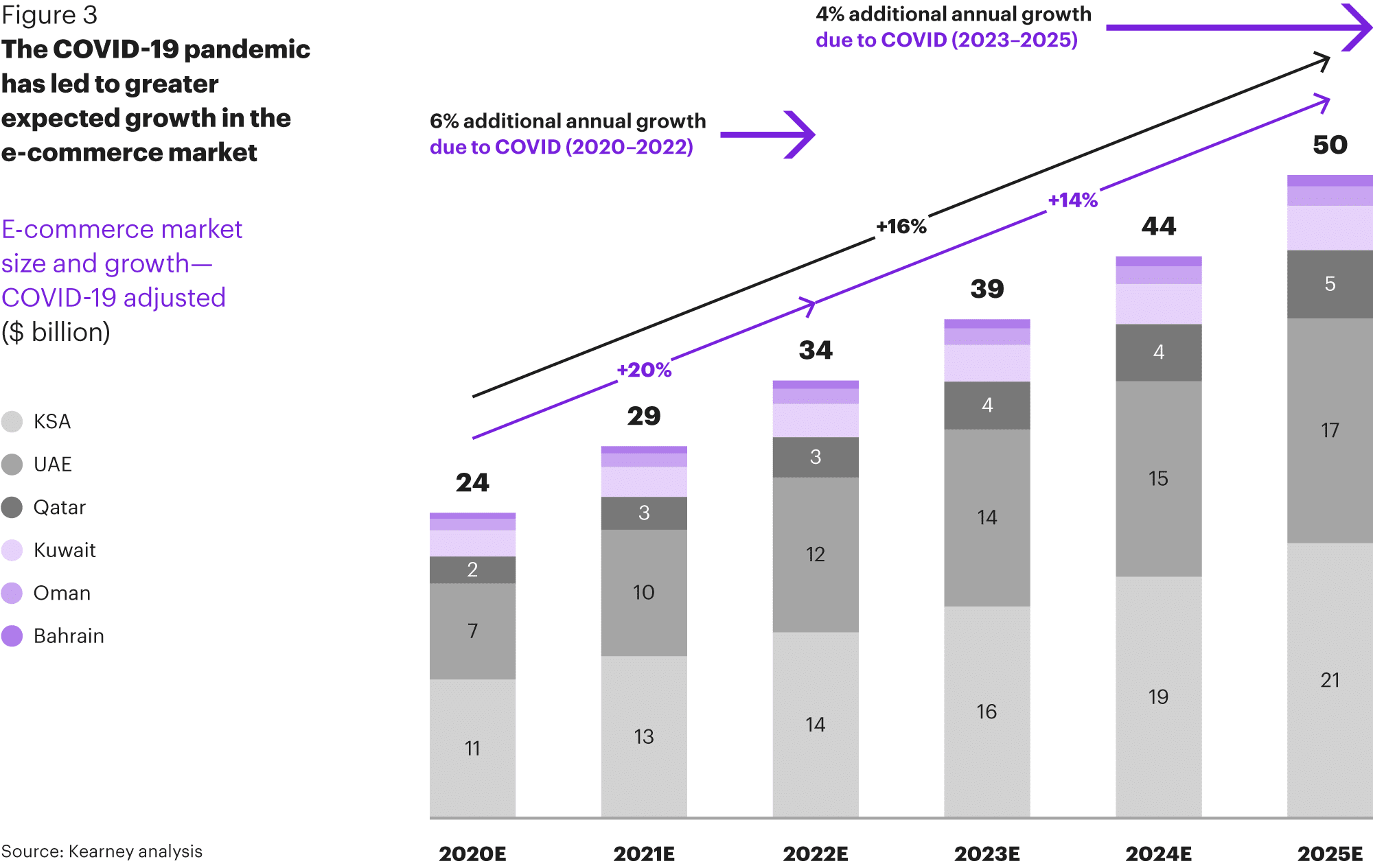
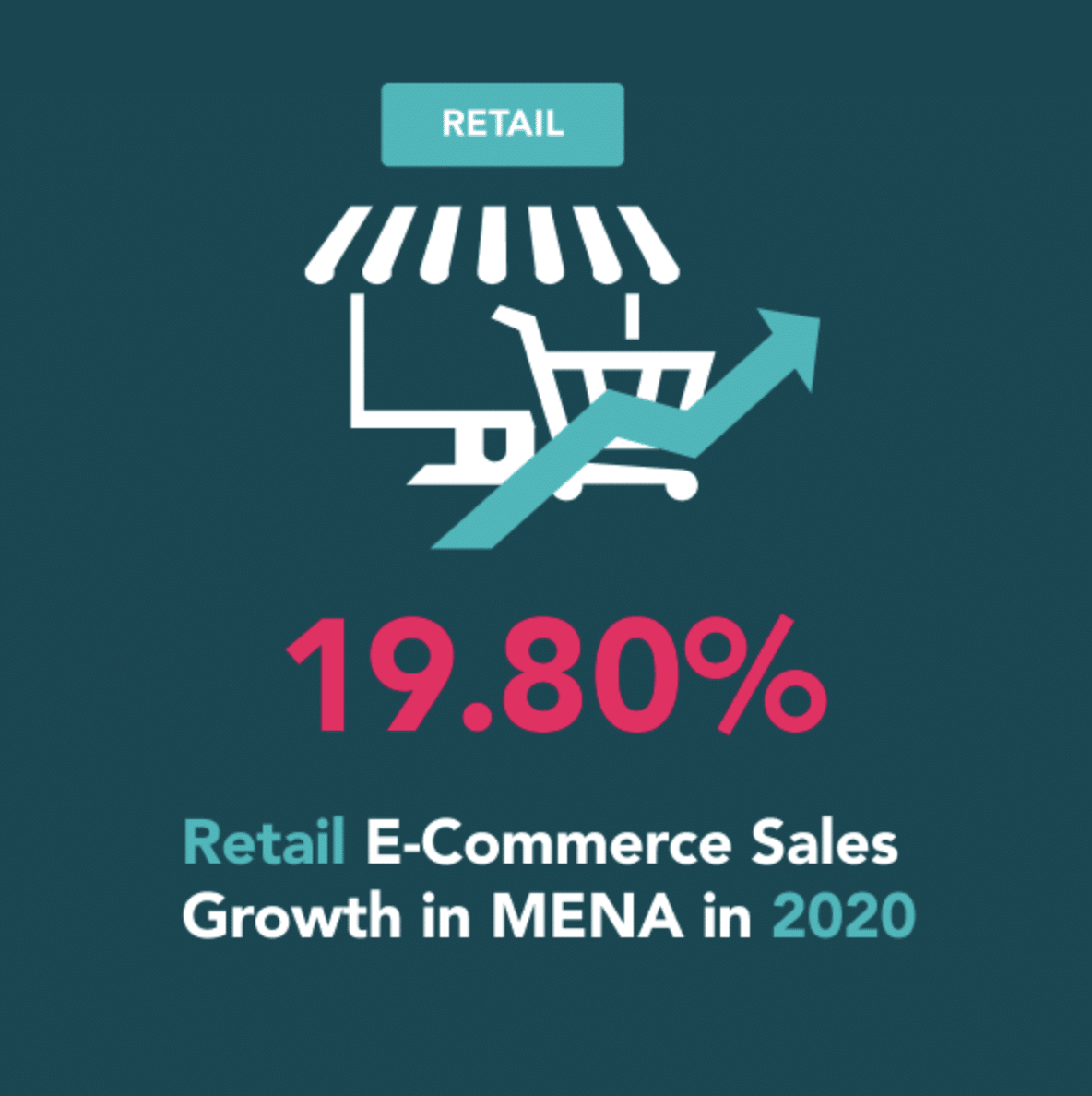
The latest figures show that in 2020 73% of UAE consumers were shopping more online than ever before. With an overall growth in ecommerce sales in the Middle East and North Africa of 19.8%.

This market is expected to grow to $49bn by 2025 . You can see from these figures alone why ecommerce is now a vital part of the global economy. In addition, the growth in ecommerce popularity has led to new opportunities for digital marketers. 
Ecommerce vs Digital Marketing: A Comparative Guide to Help Your Business Succeed

Image source

What is Digital Marketing?

Digital marketing means any form of marketing using digital means. That means ecommerce applications like banner ads and mobile notifications. But could also mean email campaigns, text adverts, social media ads, and more.  

The goal of digital marketing is much the same as any other marketing. You’re looking to promote your brand to the largest number of interested customers you can. Having a digital marketing strategy lets you keep the tone and message consistent across platforms. 

Here are some of the more popular examples of digital marketing today;


  • SEO 
  • Email Marketing & Automation
  • Viral Marketing
  • Social Media Marketing
  • Pay Per Click & Pay Per Conversion 
  • Affiliate Marketing
  • Native Advertising 
  • Image & Rep campaigns 
  • Point of Sale cross-promotion


Compared with traditional marketing, digital marketing has the advantage of accessibility, visibility, cost and popularity. Digital marketers should look at future trends. Think about questions like ‘how will mobile apps affect the future of digital marketing?’ 

Can Digital Marketing & Ecommerce Work Together?

The answer is a resounding yes. They can, and should, work together. It’s hard for any business to succeed without making use of digital marketing techniques..  

Digital Marketing & Ecommerce Hand-in-Hand

Take the example of a SaaS (Software as a Service) business. What is a SaaS company you ask? Well, they sell software, usually on a supported subscription model, to other businesses. They operate entirely online, with many using remote workforces.


This means there are no physical locations, no passing trade. Every customer has to be gained through direct or indirect marketing efforts. Digital marketing is a vitally important part of the marketing strategy for a business like this. The same is true for many ecommerce sites.

Digital Marketing & Ecommerce for Physical Retail

That doesn’t mean that digital marketing is only used by ecommerce businesses, though. Digital marketing should form an important part of any retailer’s marketing strategy too. Both large businesses and local businesses can boost revenues with digital marketing techniques.  


Hosting a blog with local interest pieces can help drive traffic to local companies. Sharing your successes, or the community work you do, on social media can have a big impact on reputation. Digital marketing goes beyond just putting your products in front of the customer. 


Remember those ecommerce stats we cited earlier? Well, research also tells us that many businesses in the Middle East reported that in 2020 a quarter of their sales were online. Moreover, 85% of MENA consumers have shopping apps installed on their phones. These figures are only growing year on year. 
Ecommerce vs Digital Marketing: A Comparative Guide to Help Your Business Succeed

Image Source


As a physical retailer, ignoring the growth of these markets could seriously harm your business. Even your local customers will appreciate the opportunity to use a website or app if they choose to. 

This doesn’t mean you have to move away from your high-street roots. The key for a physical retailer is to make both experiences complimentary. Look at the potential for integrated customer data. 

This means that across your online and physical retail options, you make the customer experience consistent. A customer can fill a basket in your app and complete the transaction in-store, or vice-versa. 

This should also extend to your digital marketing efforts. If customers sign up for your newsletter, let them use the same email details etc. when they open a customer account. 

Does Ecommerce Need Digital Marketing to Succeed?

In short, yes. There are physical methods that will work well for online businesses, but digital marketing will make up the majority of your strategy. You can use consultants or account managers to promote your service. 

You could also look at billboards and local news advertising. The problem with many physical methods of advertising though is the cost. 

Some digital marketing approaches are also cost-intensive, it’s true. But the wealth of word-of-mouth advertising, available through low-cost social media campaigns, is too much for small businesses to ignore. 
Ecommerce vs Digital Marketing: A Comparative Guide to Help Your Business Succeed

Image Source

Digital Marketing: Practical Benefits

Let’s look at some of the direct benefits of digital marketing that your business could make use of. Many of these techniques require data collection and analysis to get started. So, make sure your records management systems are able to keep up.

Targeted Marketing

This means directing your marketing at the groups who will respond to it best. Using customer demographic data, you can analyze habits and preferences to optimize your advertising. Having a flexible digital marketing strategy allows you to easily run several concurrent campaigns. You can target these at different groups to get the optimal response rates. 

This can be very useful if you’re launching a new product or service, too. Target the early adopters, the customers who are most interested in your products. These customers will generally be the most willing to give feedback when asked. 

You can integrate this with your quality assurance strategy to gain useful customer data before a general release. Then, make this a part of your qa metrics. This will help you gain a picture of how your customer base will respond to a new product or process. 

Personalization

Personalization is becoming an important brand differentiator. This is when a website or app will adjust the adverts, notifications, or the products it shows you based on your customer profile. We’ve all seen examples of it, some apps even do it whether we’re aware of it or not.  

According to a recent study of consumers in the Middle East, personalized emails have an open rate of 19.34% in comparison with 7.91% for broadcast emails. There is also a very visible increase in click rate when push notifications are personalized. This jumps from 5.58% to 21.12%

This shows that there is both huge potential in personalization, as well as high customer demand for it.  

Loyalty & Satisfaction

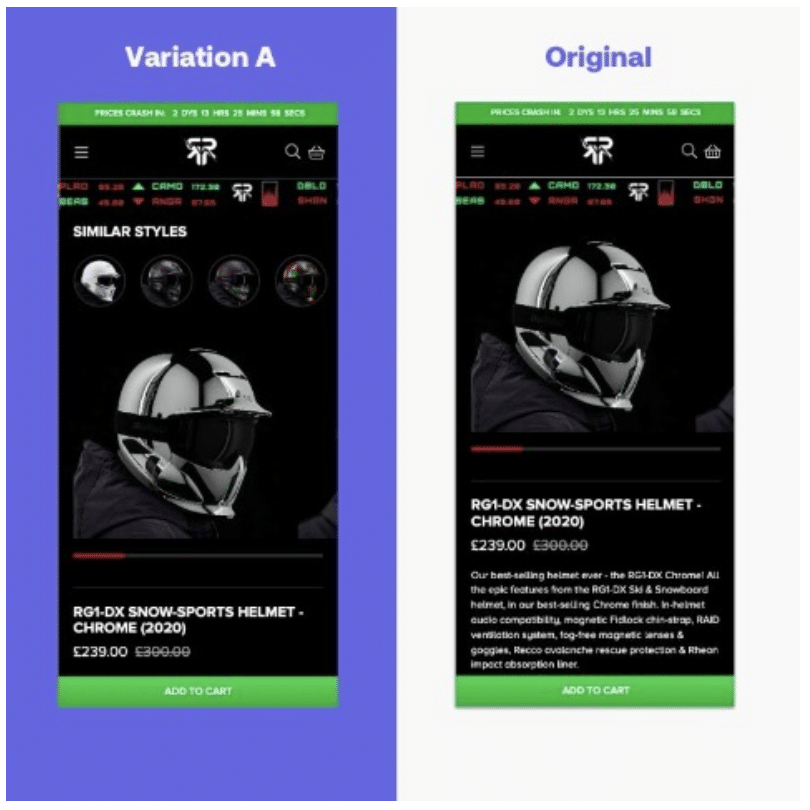
Then, it follows that servicing these demands will increase your customer satisfaction rates. Take a look at this case study on Ruroc, an online retailer. They noticed that engaged customers who arrived via paid ads would often bounce from product detail pages.  

Simply by adding a “similar styles” viewer to their app for paid ad viewers saw a huge turnaround. Thanks to this one little touch of personalization, they saw the following changes:


  • 19% decrease in bounce rate.
  • 67% increase in conversion rate.
  • 25% increase in average order value.
  • 109% increase in average visit value.  

Ecommerce vs Digital Marketing: A Comparative Guide to Help Your Business Succeed

Image Source

Ecommerce: How to Drive Success

So, let’s talk about how we can use these digital marketing techniques in ecommerce for a more successful business. 

Personalized Shopping

Use the data you collect from your customers to feedback and improve their shopping experience. Often, your customer’s habits will tell you more about them than more traditional marketing questionnaires. 

You might implement push notifications for your mobile app, for example. You could personalize these based on your customers’ shopping habits. Give them personal deals on products that are relevant to them. This way, you’ll see increased uptake rates. This will have a knock-on effect, increasing your average customer lifetime value. 

Optimization

Optimizing your platform is important, whether you’re operating an ecommerce site or app. 71% of UAE ecommerce sites have a bounce rate of 50%. One of the main reasons behind this is if a website or app takes more than three seconds to load. The longer the load times, the higher the bounce rate. Make sure you optimize for mobile and desktop. 

QA testing should form an important part of your optimization. Testing is very important to a successful app or ecommerce site. Put in place a QA testing strategy and come up with a qa test plan template.

Customer Experience

Customer experience is everything in online retail. According to research, 65% of consumers in the Middle East seek curated experiences. This encompasses all parts of the buyer’s journey. Not just the experience of buying itself, which should be fast and simple. You should also think about the after-sales support, customer service, and reliable delivery. 

Final Thoughts

Keep your customer experience in mind, whether you’re pursuing ecommerce, digital marketing, or both. Keep in mind that an integrated digital marketing strategy needs to include all parts of your business. From your sales reps to your remote contact center agents.

 

Kate PriestmanKate Priestman – Head Of Marketing, Global App Testing
Kate Priestman is the Head of Marketing at Global App Testing, a trusted and leading end-to-end functional testing solution for QA challenges. Kate has over 8 years of experience in the field of marketing, helping brands achieve exceptional growth and mobile compatibility testing, She has extensive knowledge on brand development, lead and demand generation, and marketing strategy — driving business impact at its best. Kate has also written great articles for sites such as angelhack and CBNation. You can connect with her on LinkedIn.

PayTabs
Privacy Overview

This website uses cookies so that we can provide you with the best user experience possible. Cookie information is stored in your browser and performs functions such as recognising you when you return to our website and helping our team to understand which sections of the website you find most interesting and useful.