



×

AI-Powered Customer Support: What Growing Businesses Need to Know

Category: Guest Posts

AI-powered customer support helping businesses respond to customer queries

In the case of an expanding business entity, the handling of customer queries through the website, emails, and social media becomes very difficult. The clients demand immediate responses, proper information, and help irrespective of the time of the day.

Small scale enterprises, e-commerce, and startups may find it tough to meet such demands owing to the scarcity of manpower. Queries related to order status, payments, refunds, and passwords take up a considerable amount of time of the representative.

AI customer support becomes an efficient solution to dealing with the routine queries and ensuring quick responses. With the help of generative AI development services, a business organization can develop its customer support assistants to interact with the customers and still leave room for the human representative.

AI-powered customer support helping businesses respond to customer queries

Meeting Customer Expectations With Limited Resources

It is hard for small support teams to act quickly when the workload is heavy. The repetition of queries about orders, products, and account login can take up lots of time, thus leaving little time for addressing complicated customer problems.

This could make customers frustrated and reduce the probability of their coming back. Businesses require an effective solution that will handle these issues.

The Solution: AI-Powered Customer Support

AI-powered support makes use of various technologies like conversational AI, generative AI, and machine learning to comprehend questions and help out customers. AI-powered chatbots can be used in assisting with answering the questions, summarizing the conversation, as well as forwarding the complex questions to the appropriate departments.

Moreover, a firm can use custom machine learning development services according to their needs to understand the patterns of problems in the customer queries.

The ideal strategy will involve automation as well as human escalation.

Key Benefits

  • Prompt responses: Through AI-powered assistants, answers to regular queries can be provided in no time, not requiring the customers to wait for the availability of a representative.
  • Increased efficiency of the support staff: Through the automation of routine activities, the support staff will be able to devote their time to dealing with complaints of customers and any other situations involving decision-making.

Supporting Data: AI Adoption in Customer Service

In the 2025 State of Service study done by Salesforce, the percentage of the number of service cases taken care of by AI in 2025 was put at 30% by the service professionals. In addition, the professionals expected the AI to deal with 50% of the service cases by 2027.

These statistics show an increase in expectations on the use of AI in customer services. Nevertheless, these percentages are projections and expectations in a survey, which do not necessarily mean that they will definitely be achieved.

Who We Are

PayTabs is a payments infrastructure company offering amazing solutions which are easy, safe and scalable in order to facilitate local trade and financial inclusion in the MENA region.

Team Insight

“AI-powered support works best when faster responses go hand in hand with accurate information and access to human assistance.”

— PayTabs Editorial Team

Conclusion

AI-driven customer service can assist budding companies in handling their basic queries, catering to their increased demand and enhancing service delivery. Beginning with simple queries and assessing the quality of responses will ensure that the integration of AI is done in a responsible manner.

Call to Action: Explore PayTabs’ payment solutions to support your growing business.

Kainat Farman

Kainat Farman

Market Research Analyst

As a Market Research Analyst with over 6 years of experience, Kainat transforms market intelligence into actionable business strategies. By analyzing industry trends, customer behavior, and competitive landscapes across AI, software, mobile apps, and gaming, she helps organizations uncover growth opportunities, reduce risk, and make data-driven decisions.

Mobile app development cost breakdown on a founder\\'s launch budget sheet

Many founders estimate their app budget based on the initial development quote. However, as launch approaches, additional expenses can add up quickly. These include app store fees, cloud hosting, security audits, payment gateway integration, and ongoing support.

Understanding these expenses early helps startups, entrepreneurs, and small business owners plan a realistic budget for building, launching, and maintaining their apps. For businesses targeting the Gulf region, working with a mobile app development company in the UAE can also help clarify regional payment requirements and technical costs.

The cost estimates in this article are intended as general budgeting guidelines. Actual prices may vary depending on the country, market conditions, service provider, app complexity, feature requirements, currency, and applicable taxes. Contact relevant providers for current quotes before finalizing your budget.

Mobile app development cost breakdown on a founder's launch budget sheet

Eight Hidden Costs to Add to Your Launch Budget

Your initial development quote may not cover every expense involved in launching and maintaining an app. From hosting and payment processing to marketing and support, these additional costs can affect your first-year budget. The estimates below are indicative and may vary by market, provider, app complexity, and usage.

1. Backend and cloud hosting

Your app needs backend infrastructure such as servers, databases, and storage right from the very first user. The cost increases with traffic.

  • Database hosting cost ranges from $50 to $500+ per month.
  • Server hosting cost ranges from $50 to $1,000+ per month.
  • Cost of a basic MVP ranges from $100 per month, and for a moderately successful app ranges from $500 to $2,000+ per month.

2. Payment gateway integration and processing

  • One-time cost: integration, testing, and going live costs.
  • Recurring cost: transaction processing cost and monthly plan fees, which vary by payment processor. Get quotes first to compare.
  • Regionally required: if you sell your product in KSA, UAE, Egypt, Oman, Jordan, Kuwait, or Qatar, ensure that your payment gateway handles multiple currencies, local cards, and payment links.

3. App store fees and commissions

  • Apple Developer account fee: $99 per year.
  • Google Play account cost: $25 one time.
  • Commission: Apple and Google take 15% to 30% commission on digital purchases made in the app. Transactions related to physical goods and services that you sell via your own payment gateway are exempted from the policy.

4. Security and compliance

  • Penetration testing and security audit prior to launching the app.
  • Privacy policy, terms of service, and data compliance measures.
  • A hosted payment page by your gateway, keeping card information outside of your servers and easing compliance burden.

5. Third-party services

  • API services range from $0 to $500 and higher monthly.
  • Advanced analytics services cost between $500 and $2,000 and higher monthly.
  • Push notifications start at 0, but the cost increases according to volume.

6. Maintenance and updates

Operating system gets updates yearly both by Apple and Google, so you need to update your app yearly as well. You should budget 15% to 20% of the total app development cost yearly. The annual maintenance of an app costing $50,000 is $7,500 to $10,000.

7. Marketing and user acquisition

  • App store optimization and listing design.
  • Paid ads and marketing content creation.
  • Onboarding emails and messages inside the app.

8. Support, legal, and contingency

  • Support: people and/or resources to answer user inquiries.
  • Legal: registration of your business, trademark, and contracts.
  • Contingency: budgeting for any scope change. Changes introduced in the middle of the project cost twice as much as the upfront changes.

First Year Budget Structure

The budget for your first year must account for the initial development and the costs associated with launching and running your application. Separate these costs to know your initial investments versus ongoing expenses.

The following estimates are indicative and may vary across markets and providers. Confirm current pricing for hosting, payment processing, app store accounts, third-party services, and maintenance before allocating your budget.

1. Mobile App Development Cost by Complexity

App type Estimated development cost
Simple app $5,000 to $25,000
Medium-complexity app $25,000 to $100,000
Complex app $100,000 to $300,000+

2. Additional Costs to Budget For

Cost item Payment frequency Estimated cost
Hosting and database Monthly $100 to $2,000+
Third-party APIs Monthly $0 to $500+
Advanced analytics Monthly $500 to $2,000+
Apple Developer account Annual $99 per year
Google Play developer account One-time $25
Maintenance Annual 15% to 20% of development cost
Payment gateway processing Per transaction Varies by provider
Marketing, support, and legal Varies Depends on your launch plan

A Custom Mobile App Development Company will assist you in understanding how much will be spent in developing, testing, integrating, and after-launch services before allocating your budget. Choose on the basis of deliverables, maintenance terms, and costs involved rather than picking up the least bid.

How to Reduce Hidden Costs Without Cutting Quality

  1. Start with an MVP. Get the basic workflow out there, then add other features after getting feedback from the users. It will reach the users in 2 to 4 months for $10,000 to $25,000.
  2. Use cross-platform development whenever possible. Using React Native and Flutter frameworks reduces costs by 30% to 40%, according to the same guide, when compared to developing two native apps.
  3. Make the scope concrete. By signing a fixed-price contract, you limit the chances of scope creeping because that’s why most projects go over budget.
  4. Launch your app phase by phase. Start building one platform first, and then start building the other to pay the costs gradually.
  5. Consider payment providers at the beginning. Fees, currency, and terms are different from one provider to another, so ask for a quote.

Supporting Data: Customers Pay Digitally, and Budgets Run Over

  • Adoption: Electronic payments were used in 85% of transactions in retail in Saudi Arabia in 2025 compared to 79% in 2024. Reference: Saudi Arabian Monetary Authority (SAMA) via Arab News, June 2026.
  • Budget risks: 70% of mobile application projects are over budget, mainly due to scope creep.

Who We Are

PayTabs is a payments infrastructure company providing exceptional solutions that are simple, secure, and scalable to drive local commerce and power financial inclusion across the MENA region.

Conclusion

The build quote is just the beginning of your launch budget. Hosting, security, maintenance, marketing, and payments round out the rest. Planning those things ahead of time gives you a definite runway and a payment system ready to take your first purchase. Your next step is easy – just make sure payments are set up before launch day.

Kainat Farman

Kainat Farman

Market Research Analyst

As a Market Research Analyst with over 6 years of experience, Kainat transforms market intelligence into actionable business strategies. By analyzing industry trends, customer behavior, and competitive landscapes across AI, software, mobile apps, and gaming, she helps organizations uncover growth opportunities, reduce risk, and make data-driven decisions.

mada-and-apple-pay-integration-for-e-commerce-apps-in-saudi-arabia

Key Takeaways

  • Mada and Apple Pay integration Saudi Arabia enables e-commerce businesses to support the most widely used digital payment options in the local market.
  • E-commerce payment integration Saudi Arabia drives higher customer trust, better conversion rates, and meets regulatory requirements.
  • Payment gateway integration Saudi Arabia is necessary to accept Mada, Apple Pay, and international cards in e-commerce apps.
  • Mada payment integration Saudi Arabia and Apple Pay integration Saudi Arabia demand API implementation and strict SAMA security compliance.
  • Costs and timelines vary with payment gateway choice and the complexity of mobile payment integration in Saudi Arabia.

Saudi Arabia’s e-commerce sector is booming, with consumers embracing digital payments Saudi Arabia faster than ever before. Shoppers now expect checkout to be fast and secure, and local payment methods in Saudi Arabia such as Mada and Apple Pay have become standard. For online businesses and mobile apps, e-commerce payment integration in Saudi Arabia is no longer just a technical box to tick, it is a core strategy that shapes conversion, brand reputation, and even regulatory approval.

Mada and Apple Pay integration Saudi Arabia can seem complex due to technical and compliance demands set by SAMA. This guide explains the roles each payment method plays, breaks down how to add Mada integration for e-commerce apps and Apple Pay integration for e-commerce apps, and offers a step-by-step plan. You’ll see how to choose the right Saudi payment gateway integration and understand costs, timelines, and typical challenges.

Getting Mada payment integration Saudi Arabia and Apple Pay integration Saudi Arabia right lets businesses meet customer demand and maintain secure payment integration Saudi Arabia that meets ever-stricter compliance needs. Here’s how to begin.

Understanding Mada and Apple Pay in the Saudi Market

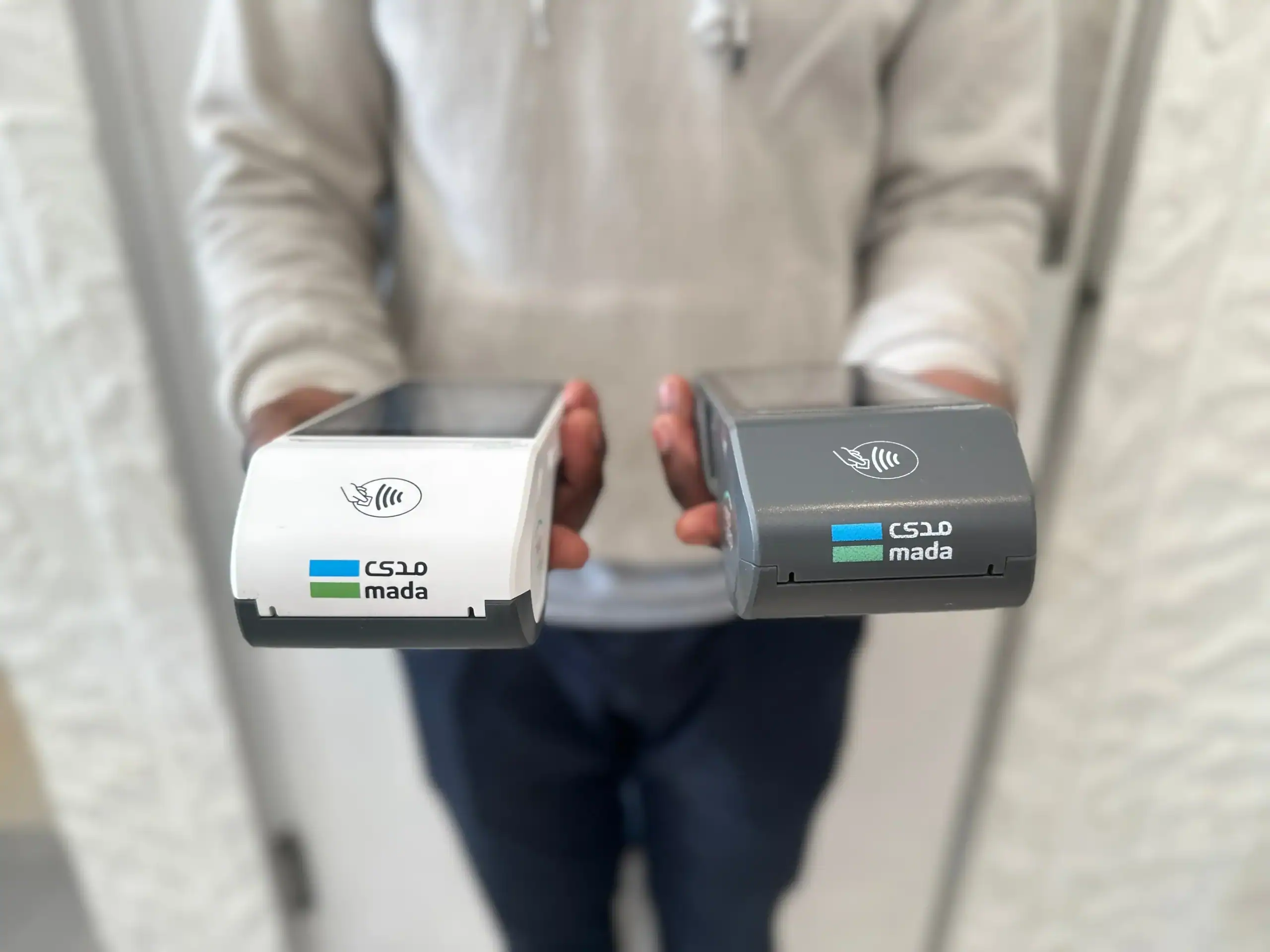
A strong foundation in Mada and Apple Pay integration Saudi Arabia is essential for any e-commerce provider targeting local shoppers. Mada serves as the national debit network, connecting every local bank and handling almost all domestic card transactions. Its centralized design ensures near-universal acceptance for Mada payment gateway Saudi Arabia in-store and online.

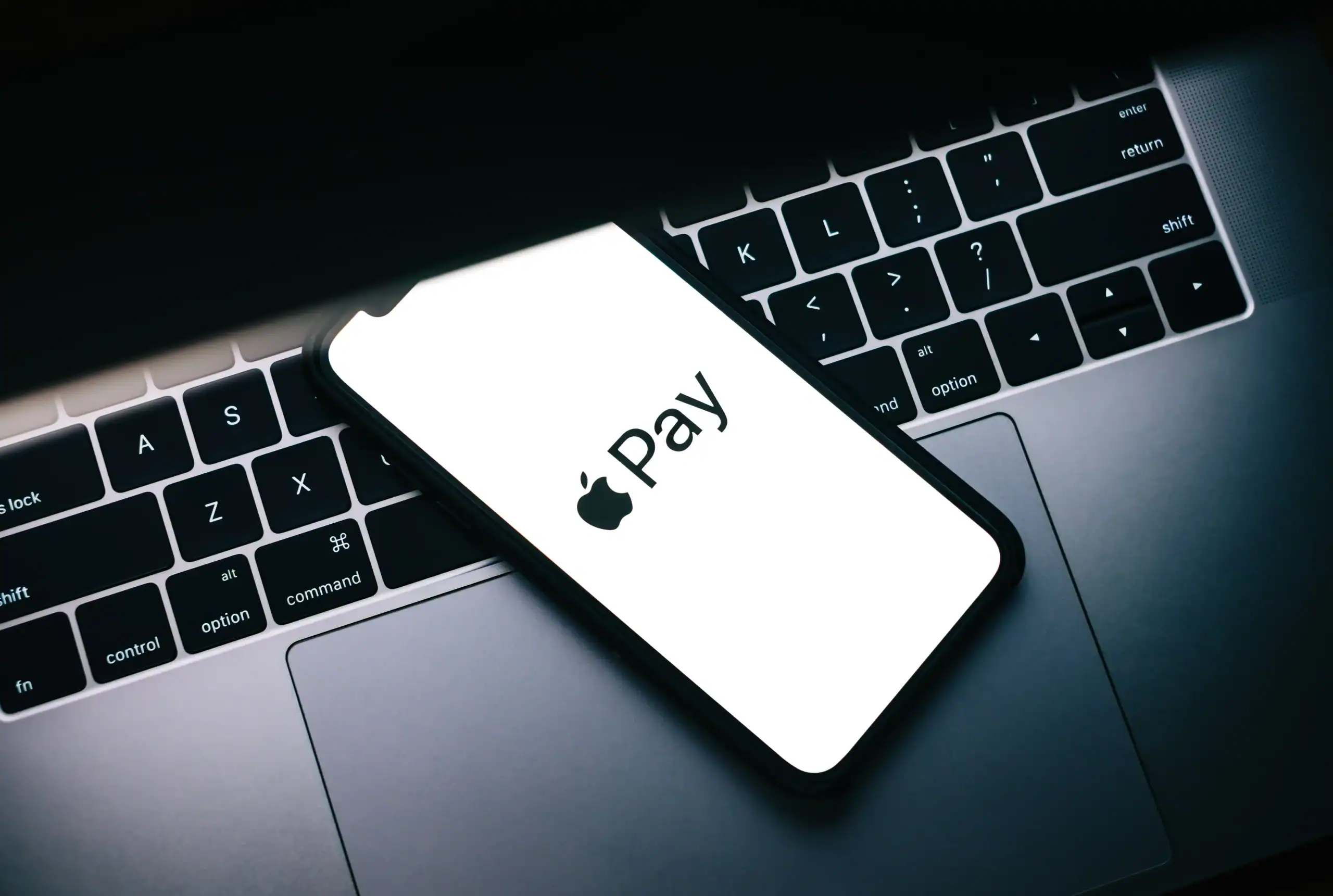
Apple Pay payment gateway Saudi Arabia is now common at checkout, supported by major banks and compatible with iPhones, iPads, Apple Watches, and Macs. More Saudi consumers expect both Mada and Apple Pay integration for e-commerce apps, enjoying convenient, secure payments.

Offering these local payment methods Saudi Arabia provides more than simple transaction processing. Business owners boost checkout conversions by supporting channels customers trust, while also staying compliant with SAMA and Saudi payment processing rules.

Key differences and benefits for Saudi consumers include:

  • Mada is a national debit scheme, used daily for groceries, bills, and online purchases.
  • Apple Pay is a mobile wallet for digital versions of Mada, credit, and debit cards, allowing tap-to-pay convenience online and in-store.
  • Mada transactions help businesses meet regulatory mandates for Saudi Arabia online payment gateway acceptance.
  • Apple Pay brings global compatibility and enables users to buy securely through biometrics and device authentication.
  • Mada payment gateway Saudi Arabia works for customers without international cards, while Apple Pay payment gateway Saudi Arabia caters to mobile-first users, especially younger shoppers.

When you combine Mada and Apple Pay integration Saudi Arabia, your app can cover nearly the entire market, improve customer experience, and drive repeat business. Supporting local payment methods Saudi Arabia is a must for any brand that wants to succeed in 2026.

Why Local Payment Methods Matter for Saudi E-Commerce

Businesses providing online payment solutions Saudi Arabia need to recognize what local consumers expect. Shoppers want payment solutions for Saudi e-commerce that support both national debit cards and familiar wallets. Supporting these local payment methods makes a tremendous difference:

  • Payment expectations are high: Shoppers want Mada and Apple Pay at checkout. Without them through your Saudi Arabia online payment gateway, many will abandon their purchase.
  • Mada’s dominance: Mada processed over 2 billion transactions last year, anchoring Saudi payment processing.
  • Trust comes with familiarity: Saudi payment gateway integration with local methods builds platform confidence, driving higher conversions.
  • Regulatory mandates: SAMA requires e-commerce apps to support Saudi payment processing on approved networks. Skipping this can block app approval.
  • International cards alone don’t suffice: Many Saudis avoid or distrust foreign card schemes for local buying.
  • A wide payment gateway for e-commerce apps Saudi Arabia is essential, not optional.
  • Offering both global and local payment options lets brands reach Saudi buyers and meet payment gateway integration Saudi Arabia rules.

Prioritizing local payment methods Saudi Arabia helps you secure regulatory approval, increase conversion, and build loyal customers.

Mada Payment Integration: Technical Overview and Workflow
mada-payment-integration:-technical-overview-and-workflow

Mada payment integration Saudi Arabia requires more than technical setup, it demands careful adherence to national banking protocols and SAMA regulations. This section details the workflow, API requirements, and key security provisions for successful Mada API integration for mobile apps.

How Mada Payment Gateway Works

Mada payment gateway Saudi Arabia processes payments by authenticating the cardholder, authorizing the transaction, and settling funds to the merchant. When a user enters Mada card details, the gateway transmits this to Mada for verification. After successful authentication, often using 3D Secure, the transaction is approved, and funds are reserved or debited. Settlement typically finishes within one or two working days.

This Mada card payment integration delivers fast, reliable transactions for both the business and its customers. The Mada network automatically applies fraud detection and authentication checks, giving reassurance to all parties.

Mada API Integration Steps

Mada API integration relies on secure endpoints provided via the merchant’s payment gateway. A typical Mada API for mobile apps offers sandbox environments for initial development. Developers usually:

  1. Register their business and get merchant credentials from the payment gateway Saudi Arabia.
  2. Access technical docs for Mada API integration, specifying secure data transmission, response handling, and customer messaging.
  3. Implement endpoints covering payment initiation, 3D Secure authentication, transaction verification, and settlement.
  4. Test all flows in sandbox mode with test card data.
  5. Complete compliance checks and pass SAMA vulnerability assessments before production launch.

Both documentation and final setup involve coordination among the gateway, merchant, and acquiring bank.

Security and Compliance for Mada

Mada payment integration Saudi Arabia enforces SAMA payment requirements for encryption, tokenization, and transaction monitoring. Payment details must never be stored in cleartext, and encryption applies to all data in transit and at rest. Most payment gateway integration Saudi Arabia providers offer built-in tokenization and real-time fraud detection. Regular compliance reviews and activity monitoring are vital to prevent issues before they impact customers.

Meeting SAMA rules protects your customers and your business’s license to operate.

Apple Pay Integration for E-Commerce Apps in Saudi Arabia

Apple Pay integration Saudi Arabia enables mobile-first payments for apps and online stores. With Apple Pay API integration, businesses can offer fast, secure, and user-friendly payments built for local consumers.

Integrating Apple Pay for e-commerce apps takes both technical steps and strict compliance with SAMA and Apple requirements.

How Apple Pay Works for Saudi E-Commerce

Apple Pay integration for e-commerce apps lets users pay with stored Mada or credit cards, authenticated via Face ID, Touch ID, or passcode. Supported devices launch a native payment sheet at checkout, offering a seamless, trusted experience.

Saudi banks now natively support Apple Pay payment gateway Saudi Arabia, so nearly any iPhone or Apple Watch user can add their Mada, Visa, or Mastercard and pay online or in-store.

Apple Pay API Integration Steps

Apple Pay API integration begins by registering with Apple and obtaining a Merchant ID. Steps include:

  1. Creating a Merchant ID in the Apple developer portal.
  2. Generating an Apple Pay certificate.
  3. Implementing the Apple Pay API for mobile apps or web and integrating with your chosen payment gateway.
  4. Running full tests in development and production sandboxes.
  5. Reviewing all payment flows for SAMA and Apple compliance.
  6. Deploying to production only after passing SAMA or PCI DSS audits.

Apple Pay integration for e-commerce apps often reaches testing and live stages quickly, thanks to Apple’s developer-friendly toolkit.

Security Features of Apple Pay

Apple Pay uses device authentication, Face ID or Touch ID, before each payment. Tokenization is mandatory; raw card data never reaches the merchant or travels over the web. Every transaction is authorized by a unique cryptographic code, with device security protecting user credentials.

Apple Pay’s secure payment integration Saudi Arabia aligns well with SAMA rules. Merchants also benefit from Apple’s fraud prevention, dispute handling, and frequent security updates.

Comparing Mada and Apple Pay for Saudi E-Commerce

When you evaluate Mada integration for e-commerce apps against Apple Pay integration for e-commerce apps, consider cost, user experience, and security. The table below highlights key differences and similarities.

Factor PWA Native App
Payment Type Local debit network Mobile wallet (Mada, Visa, Mastercard)
User Experience Card entry, 3D Secure auth Tap-to-pay, Face/Touch ID
Security SAMA-compliant encryption, 3DS Tokenization, device authentication
Fee Structure Local bank and gateway fees Gateway and Apple transaction fee
Market Coverage Nearly all Saudi consumers Mobile-first users, young shoppers
Regulation Mandatory for e-commerce Growing, highly encouraged
Settlement Speed Fast, next-day or sooner Immediate to next-day
Supported Gateways Most local and global gateways Gateways with Apple Pay readiness

Offering both payment gateway for e-commerce apps Saudi Arabia options meets all customer preferences. Mada integration for e-commerce apps is often required by regulators, while Apple Pay integration for e-commerce apps is now just as important to shoppers. For best coverage and conversion, your checkout integration Saudi Arabia should support both.

Payment Gateway Options Supporting Mada and Apple Pay in Saudi Arabia

Your choice of provider for Saudi payment gateway integration shapes your technical approach, API capabilities, and compliance support. Most e-commerce companies now seek providers that support both Mada payment gateway Saudi Arabia and Apple Pay payment gateway Saudi Arabia.

Top payment gateway integration Saudi Arabia options for 2026 include:

  • HyperPay: Strong APIs, advanced compliance tools, and fast settlement. Fully supports Mada and Apple Pay, ideal for high-volume sites.
  • PayTabs: Popular in Saudi Arabia for comprehensive docs, PCI DSS features, and real-time analytics dashboards.
  • Moyasar: A favorite for developers, offering straightforward integration with major frameworks, robust Mada and Apple Pay support, and a developer-friendly sandbox.
  • Tap Payments: Quick onboarding and flexible APIs, with out-of-the-box support for Mada and Apple Pay.
  • Cubix: Delivers full Saudi payment gateway integration, customized end-to-end solutions, and support for all local and global cards, including Mada and Apple Pay.

When you review payment gateway integration Saudi Arabia providers, prioritize:

  • Verified SAMA and PCI DSS compliance.
  • Mada and Apple Pay support in both sandbox and production.
  • Clear API documentation and use cases.
  • Settlement times and refund processing.
  • Responsive support for compliance and technical updates.

The right Saudi payment gateway integration partner builds the groundwork for secure, scalable payments in Saudi Arabia.

SAMA Compliance and Security Requirements for Payment Integration
SAMA-compliance-and-security-requirements-for-payment-integration

Secure payment integration Saudi Arabia depends on meeting SAMA payment requirements before any e-commerce service can launch. These standards protect users and ensure reliable payments.

Key SAMA Rules for Online Payments

SAMA payment requirements enforce that every licensed payment gateway integration Saudi Arabia service must have:

  • PCI DSS certification for any payment data handling.
  • 3D Secure authentication required on all card payments.
  • Data localization so that payment records stay within Saudi Arabia.
  • Frequent vulnerability testing and mandatory pre-launch audits.

These standards shape every part of mobile wallet integration Saudi Arabia.

Security Best Practices

Besides regulations, businesses should implement:

  • Tokenization of all cardholder data, so real card numbers never enter memory or logs.
  • Advanced encryption for every transaction, both in transit and at rest.
  • Regular penetration testing and ongoing monitoring to detect and fix threats early.

Secure payment integration Saudi Arabia protects customer trust and ensures every compliance requirement is fully covered from the start.

Step-by-Step Guide to Integrating Mada and Apple Pay

Achieving Mada and Apple Pay integration Saudi Arabia requires planning, coding, and thorough testing. Here’s a step-by-step guide to help you launch in-app payments Saudi Arabia and mobile payment integration Saudi Arabia.

  1. Requirements Analysis
  •  Define your business model, transaction types, and expected transaction volumes.
  •  Decide if you need recurring payments, refunds, or just one-time transactions.
  •  Choose your platforms: web, iOS, Android, or all.
  1. Select Your Payment Gateway
  •  Shortlist providers supporting Mada and Apple Pay.
  •  Verify the gateway aligns with Saudi payment gateway integration needs and meets your compliance goals.
  1. Register for Merchant Accounts
  •  Apply for onboarding with your payment gateway and submit business documentation.
  •  For Mada, complete all KYC and bank partnership steps.
  •  For Apple Pay, register a Merchant ID in Apple’s portal.
  1. API Integration Preparation
  •  Access documentation for Mada API integration and Apple Pay API integration.
  •  Set up sandbox environments for both payment methods.
  •  Coordinate with your gateway for test card numbers and merchant keys.
  1. Implement Payment APIs
  •  Build checkout flows with Mada API for local cards and Apple Pay API for wallet payments.
  •  Use sandbox credentials to simulate purchases and error scenarios.
  •  Ensure in-app payments Saudi Arabia and mobile payment integration Saudi Arabia support all your business cases.
  1. Test UX and Edge Cases
  •  Test every payment method on all supported devices and platforms.
  •  Make error messages clear and actionable, with helpful recovery steps.
  •  Ensure international users see sensible options, with Mada highlighted for Saudi shoppers.
  1. Compliance and Security Review
  • Complete vulnerability scans and review SAMA, PCI DSS, and 3D Secure implementations.
  • Finalize localization and language for receipts and checkout.
  1. Move to Production
  • Get final gateway approval for live processing.
  • Replace sandbox credentials with production ones.
  • Run live transactions to confirm settlement and accounting.
  1. Deploy and Promote
  • Clearly display supported payment methods in app listings and checkout screens.
  •  Monitor for failed transactions, fraud alerts, and unusual patterns.
  1. Ongoing Maintenance
  • Review API, regulatory, and fraud prevention updates regularly.
  • Train support teams on troubleshooting and compliance.

Staying organized through these steps streamlines e-commerce app development Saudi Arabia and fintech app development Saudi Arabia, ensuring full payment gateway integration Saudi Arabia compliance from launch. For businesses looking to expand their digital presence, understanding the mobile app development process is also crucial.

Cost and Timeline for Payment Integration in Saudi E-Commerce Apps

Knowing the cost of Mada integration Saudi Arabia and the cost of Apple Pay integration Saudi Arabia helps you plan your e-commerce app development Saudi Arabia budget. Here’s a breakdown of costs and timelines:

Cost Component Estimated Range (USD)
API Integration $5,000 -$10,000
Compliance Review $2,500 -$7,000
Testing & QA $2,000 -$5,000
Merchant Onboarding $1,000 -$3,000
Total Project $12,000 -$30,000
  • API integration covers development time for Mada API for mobile apps and Apple Pay API for mobile apps.
  • Compliance and security costs rise with stricter SAMA or PCI DSS demands.
  • Testing and support may require several payment gateway for e-commerce apps Saudi Arabia rounds before approval.
  • Timelines: Full payment integration typically takes 8-12 weeks, including compliance and onboarding.
  • Factors impacting costs include app complexity, payment gateway, need for sandbox/live setups, and regulatory updates during e-commerce app development Saudi Arabia.

Starting early with an integration partner can lower costs by reducing rework. For budgeting and planning, reviewing mobile app development cost insights can be helpful.

Common Integration Challenges and How to Solve Them

Adding Mada API integration and Apple Pay API integration to checkout integration Saudi Arabia is not without hurdles. Here are common challenges and proven solutions:

  • API version mismatches: Gateways may update APIs without backward compatibility. Solution: Always use the latest documentation and schedule update checks.
  • SAMA compliance delays: Regulatory reviews can slow launch. Solution: Involve compliance experts early and ensure documentation is complete.
  • Device or OS compatibility issues: Different iOS or Android builds may treat Apple Pay API for mobile apps differently. Solution: Test each payment method on all target devices and versions.
  • Confusing error handling: Users may leave after a payment failure. Solution: Provide clear, actionable error messages and alternate payment options.
  • App store submission issues: Marketplaces may request proof your payment flows meet requirements. Solution: Submit screenshots and compliance docs when you submit for review.
  • Settlement and reconciliation hurdles: Sometimes, funds don’t settle as expected between the gateway, bank, and merchant. Solution: Use your payment gateway for e-commerce apps Saudi Arabia’s reconciliation tools.

Addressing these early speeds up mobile wallet integration Saudi Arabia and creates a smoother customer experience. For more on overcoming technical hurdles, see our mobile app development challenges resource.

Best Practices for Checkout and Payment Experience in Saudi E-Commerce

Optimizing e-commerce payment integration Saudi Arabia means fine-tuning your checkout and secure payment integration Saudi Arabia flow. Apply these best practices:

  • Minimize required fields and enable one-tap Mada and Apple Pay payments.
  • Make payment options prominent, using branding to help users spot Mada and Apple Pay.
  • Write clear, localized error messages for each failure type.
  • Offer instant in-app support, like live chat or quick email help, for payment issues.
  • Test your mobile wallet integration Saudi Arabia on every major device, OS, and platform.
  • Check analytics regularly to spot abandonment and adjust flows as needed.
  • Allow guest checkout whenever possible, and only require registration post-payment.
  • Ensure your payment solutions for Saudi e-commerce can handle refunds and recurring payments if needed.
  • Work with your provider to run security and compliance tests at least once per quarter.

Following these steps ensures secure, reliable, and conversion-focused payment flows.

Why Cubix Is the Preferred Partner for Mada and Apple Pay Integration

Choosing a Mada integration company Saudi Arabia or Apple Pay integration company Saudi Arabia is a big decision. You want a partner who offers technical confidence, regulatory expertise, and thorough service. Cubix stands out by delivering high-quality Mada API for mobile apps and Apple Pay API for mobile apps integration with end-to-end support.

Cubix also specializes in helping businesses transform your e-commerce website to a m-commerce app, ensuring seamless digital payment integration and mobile user experience.

Cubix’s Expertise in Local Payment Methods

Cubix has built payment integrations for retail, travel, and digital services across Saudi Arabia. The team knows every Mada integration company Saudi Arabia requirement, from API workflows to SAMA compliance. Cubix’s technology stack covers secure APIs, advanced sandbox testing, and turnkey Mada and Apple Pay support, helping businesses launch quickly and securely.

End-to-End Support from Planning to Launch

Cubix handles everything from gathering requirements to ongoing maintenance. As an Apple Pay integration company Saudi Arabia, the team works with gateways, manages testing and go-live, and tracks SAMA payment requirements to ensure continuous compliance. Cubix delivers regular API updates, detailed pre-launch audits, and round-the-clock support, providing a complete service from first step to long-term operations. Cubix’s expertise also covers the mobile app development process, ensuring smooth project delivery.

Frequently Asked Questions

1. What is Mada payment integration in Saudi Arabia?

Mada payment integration in Saudi Arabia lets e-commerce businesses accept local debit cards for online and mobile transactions through approved payment gateways. It is vital for regulatory compliance and broad customer acceptance.

2. How do you integrate Mada into an e-commerce app?

To integrate Mada, choose a gateway that supports it, obtain API credentials, follow sandbox and production setup procedures, and complete all SAMA-compliant testing before launching.

3. How do you integrate Apple Pay into a Saudi e-commerce app?

Integrating Apple Pay means registering as a merchant with Apple, generating the necessary certificates, integrating the Apple Pay API, and working with a supported gateway for transaction settlement and compliance.

4. How does Mada payment gateway work?

The Mada payment gateway securely sends card details to Mada’s network, authenticates the transaction, and ensures funds are settled in the merchant’s account.

5. How does Apple Pay work for Saudi e-commerce apps?

Apple Pay lets users complete payments with stored cards using a secure payment sheet, biometric authentication, and tokenized card details, all supported by Saudi banks.

6. What are the requirements for Mada integration in Saudi Arabia?

You need a local merchant bank account, approval from a licensed gateway, technical API integration, and full compliance with SAMA and PCI DSS standards.

7. What are the requirements for Apple Pay integration in Saudi Arabia?

Apple Pay integration requires merchant registration with Apple, a compatible payment gateway, certificate setup, iOS device compatibility, and adherence to local security and compliance regulations.

8. How much does Mada integration cost in Saudi Arabia?

Costs for Mada integration usually range from $12,000 to $30,000, depending on app complexity, gateway choice, and compliance requirements.

9. How much does Apple Pay integration cost in Saudi Arabia?

Apple Pay integration costs are similar to Mada, typically falling between $12,000 and $30,000 for development, compliance, and gateway processing.

10. What payment gateway supports Mada and Apple Pay in Saudi Arabia?

Top gateways such as HyperPay, PayTabs, Moyasar, Tap Payments, and Cubix all offer support for Mada and Apple Pay integration for Saudi e-commerce.

Photo of author

By: Shoaib Abdul Ghaffar

SVP

As SVP with over 17 years of experience, Shoaib specializes in enterprise architecture, distributed systems, cloud-native solutions, and technology leadership. At Cubix, He drives architectural governance, engineering best practices, and scalable digital transformation initiatives that deliver measurable business outcomes.

How to Integrate a Payment Gateway into E-Commerce Website

How to Integrate a Payment Gateway into E-Commerce Website

The “From Home” concept is pretty much in vogue. Whether it’s work from home or shop from home, the world seems to be happy and completely set with such a routine. I mean is there anybody around who doesn’t love or who seems to be tired of online shopping? Nobody, I guess and why not! Since it’s a fast, fanatic, cool, convenient concept and above all, quite secure and a big time-saver.

Introduction

In today’s times, it is quite a safe bet to say that eCommerce websites seem to have become quite a massive aspect of our day-to-day lives. Okay, tell me in the current week how many items have you ordered online? Be it accessories or apparel, home decor, groceries and whatnot! No wonder, eCommerce stores such as Amazon, Flipkart, and eBay, keep on brewing up and becoming multimillion-dollar ventures.

There is no denying the fact that online retailing is gaining popularity slowly and steadily and is here to stay for the long haul. So do not make the mistake of ignoring such profit-spinning realms. In today’s times, developing your very own eCommerce website can be pretty beneficial since you no longer need to own a physical store and things can be well taken care of from a small space, let’s say your living room as well.

Furthermore, are you keeping tabs on your competitors? If not, you must see how they have developed a strong online presence and raised their bar. Well, there are several other benefits offered by conducting an eCommerce development project. Just make sure you choose a reputable eCommerce development company that carries immense expertise and has a proven track record of developing successful eCommerce websites.

  • Low operating costs – Of course, conducting an ecommerce website project can be way more cost-effective than establishing a full-fledged physical store where you need to look around for different spaces to rent and create a relevant-looking infrastructure, basically investing a hefty amount even before commencing the business. Whereas when you plan to open an eCommerce store, you no longer need a separate physical space, also you can offer round-the-clock services if you want, and the investment is pretty less in comparison to opening an entire physical store.
  • Increased customer reach – The next benefit of considering an eCommerce store is great customer reach. Yes, local stores tend to attract a few customers, especially the ones hailing from your area. Whereas when you have an eCommerce website, you may come across customers from different countries or regions at the same time since they are using their laptops and smart devices to shop. Gone are the days when the traditional form of marketing was in vogue, now it’s all about offering seamless services online and creating a large customer base which can act as word of mouth and ensure more and more customers to your website. All you need to do is target:
    • Millennials and Gen X
    • All Geographics
    • Seniors, baby boomers
  • High-end flexibility – The next amazing advantage of conducting an eCommerce development project is that it ensures high-end flexibility and scalability. You see, it’s not like physical stores where you need a set of people ranging from a cashier to a security guard, receptionist, salesman and so on to run them smoothly. Not to mention physical stores tend to have more monthly maintenance costs whereas that’s not the case with an eCommerce store. Moreover, you can even think about managing several eCommerce stores even if you are using one single platform.

So if you want to go global, offer round-the-clock services to your valued customers, establish and strengthen your brand seamlessly, offer easy and more convenient services, and create better marketing opportunities then without a shadow of a doubt choose eCommerce development. Moving on, further, we will discuss what is the next step to take after you have decided to conduct an eCommerce web development project. Well, for starters you can think of choosing or hiring a reliable ecommerce development company that carries immense expertise and experience in conducting such projects for their clients.

Now can you tell me why not all eCommerce projects or eCommerce websites tend to succeed even if they are fast, convenient and pretty much in vogue? Well, this is only because of one factor which cannot be ignored at any rate. I am talking about none other than transaction security. In the end, your customers will be happy if they end up checking out in the most possible smooth and seamless manner. So what is more important here, incorporating an easy-to-use and highly secured payment gateway.

Introducing Payment Gateways

How to Integrate a Payment Gateway into E-Commerce Website

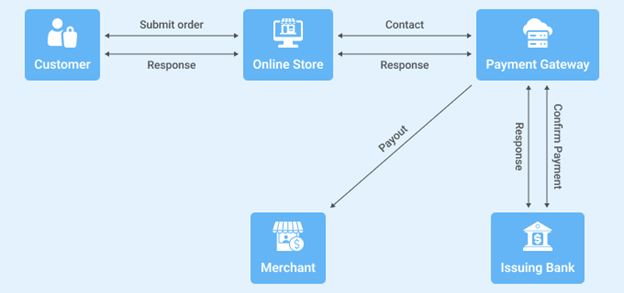
A payment gateway is something through which you can make your e-store seamlessly connected with the bank. And not just that, you can perform several tasks such as:

  • Checking if you have enough balance to buy the product
  • Conducting authorized payment procedures and sending the money safely to the merchant’s account
  • Easy subscriptions
  • Returning the money conveniently within 5-7 business days
  • Canceling the transaction and returning the money

Payment gateways is the sure-shot way through which all kinds of payments are possible. Imagine such complex transactions are well taken care of within the span of a few seconds. Payment gateways are also responsible for encrypting crucial aspects such as debit card or credit card information, google pay, CVV, and expiry date, and safeguarding all this information from unwanted and unnecessary malicious attacks.

Technically speaking payment gateways are way more complicated than you can see. Here as soon as the transaction is conducted, money is received from the buyer’s account. This is possible when the payment processor links the customer’s bank with your bank and passes information safely.

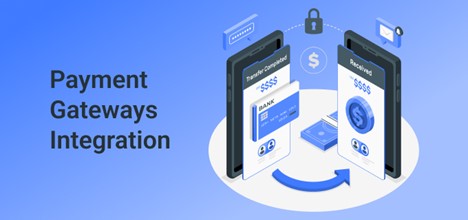
Payment Gateways Integration

How to Integrate a Payment Gateway into E-Commerce Website

With the continuous advancements happening around, lots and lots of new horizons seemed to have opened up for both businesses as well as customers. Whatever you need, you have a wide range of tools, technologies and products available and that too without paying extravagantly. Now payment gateways are generally of two types: hosted gateways and integrated payment gateways. Hosted payment gateways are the ones which may not be directly linked to the website but customers are seamlessly redirected to the platform where transactions can be processed. You might end up checking out on the site but the payment happens off-site only. Some of the common yet known examples of hosted gateways are PayPal and 2Checkout.

Whereas integrated payment gateways on the other hand is said when the gateways are directly linked and well-integrated with the website. All this is done using a simple API (Application Programming Interface). Here payments are generally made on-site and directly to the store. Businesses are required to pay for installation and integration services. Moreover, this type is way more effortless and smoother and highly recommendable for large and mobile-friendly businesses.

The working of a Payment Gateway!

First and foremost, the process begins with a customer submitting the request and then once the request is submitted, encryption is initiated and all the private information and sensitive card details are kept safe. Next, the payment processor receives funds and this is how a successful payment transaction is done.

Choosing the Right Payment Gateway

Fortunately, there are several payment gateways available across the globe. Well, to make your choice easier, we would like to shed some light on some of the most popular and tried-and-tested payment gateways that offer a wide range of benefits and advantages. Also, you can never go wrong by choosing any of these below-mentioned payment gateways.

#1 PayTabs

Being one of the award winning payment gateway, PayTabs has been a game changer across the globe. The payment gateway ensures seamless sending, receiving and sharing invoices with the help of email, QR codes, SMS and even Whatsapp or different popular social media channels. Yes, you read it right, social media channels, it is possible to share secured payment links via facebook and instagram, etc. Paytabs is also helpful when it comes to receiving repetitive amounts such as subscriptions, membership fees, etc.

Gone are the days when paperwork was given pretty much importance. Paytabs ensures there is no paperwork and instant onboarding involved. Other relevant features that make Paytab one of the leading payment gateways across the globe include an amazing dashboard, secured payment links, repeat billing, quick and easy integrations, different payment methods involved and secured payments. Speaking further about security, it may quite interest you to know that the platform is created with a two-layered fraud protection system that ensures nothing less than secured payment processing.

#2 Paypal

Now I am sure there is nobody who doesn’t know what Paypal is or at least might have heard about the term before. Well, this one turns out to be the most universal payment gateway found and is suitable for almost any and every business across the globe. The payment gateway in particular supports different payment methods and services such as PayPal Payments Pro, PayPal Express Checkout, and Braintree.

PayPal is quite popular among freelancers as it is paid through systems and brings more and more money to accounts easily. If you are looking for a payment gateway that is easy and convenient for conducting more and more transactions then PayPal is the right option to choose. Moreover, when you end up offering a familiar gateway to your customers, they will come again and again to your store which ultimately results in a high return on investment. The price range might vary from 2.9 percent + $0.30 per transaction to 3.9 per cent + a fee depending on the currency required.

#3 Amazon Payments

The next leading payment gateway that seems to have gained the attention of several businesses is Amazon Payments. We all know Amazon is a huge platform built for online retailers and so is Amazon payments. Now this one is a hosted payment gateway that is well-integrated by using APIs. This particular payment gateway highly focuses on mobile payments as well as different payment methods including credit cards as well.

The price ranges from  2.9 per cent + $0.30 per transaction. International transactions are charged 3.9 per cent. Here there is no setting up or any kind of monthly fees.

#4 Authorize.Net

Now this payment gateway is the oldest one available across the globe. Since its inception in 1996, Authorize.Net seems to have a decent and well-established reputation. In fact, many people call this payment gateway the king of online payments as it offers great fraud protection, easy-to-use checkout opportunities, customizable integrations and subscription-based numerous features. Here you are bound to find a friendly interface and a $49 setup fee, paid only once with a $25 getaway fee, monthly, $25 chargeback fee, Transaction fee – 2.9% + $0.30 and so on.

Final Words

As mentioned earlier, payment gateways are many but what’s more important is to make the right choice. So whenever you choose a payment gateway, just make sure that it is PCI compliant, provides notifications on every single transaction made, stores customers’ payment information, provides high-level security, can be customized according to different needs, well integrated with tools such as accounting software or shopping carts, etc.

So I hope now you know exactly what needs to be done and how to choose the right payment gateway for your ecommerce store.

Vishal ShahVishal Shah works as an executive at TatvaSoft.com. He is responsible for new technology integrations in development projects. He prefers to share his valuable insights among the development audience by blogging.


5 Excuses for Late Payment (And How to Manage Them)

In today’s economy, freelancing has never been more exciting or rewarding. The rise of social media and e-commerce has resulted in an array of creative ventures. Now, freelancers can do business on various platforms, selling goods and services to a global audience. What’s more, social commerce platforms like Paymes make it easier for entrepreneurs to kickstart their freelance venture.

That said, freelancing comes with its challenges, not least the issue of chasing payments. Whether you’re self-employed or run a business with a small team, this can be incredibly frustrating.

Chances are, you’ve been hit with every excuse in the book. So, how do you know which excuses for late payment are valid and how to respond to ensure a swift resolution?

5 Common excuses for late payment

Here are five of the most common reasons you’ll hear for why a payment is late.

1.Cash flow concerns

One of the most challenging excuses to own up to is also frequently one of the most honest.

Financial difficulties can have various causes. Customers might be experiencing trouble at home or loss within the family, which can inhibit or disrupt cash flow. Or they themselves may be waiting to receive payment.

In any case, many people and businesses are susceptible to cash flow concerns, and unfortunately, these repercussions can be far-reaching.

5 Excuses for Late Payment (And How to Manage Them)

2.Disputes over quality of goods or services

Perhaps the most elaborate excuse involves customers claiming you’re not providing them with the level of quality they expect. Sometimes they’ll have proof; other times, this excuse is a pretext for getting a discount or avoiding paying altogether.

The key here is that they’ve already completed their browse and buy stage regarding your product. They are interested in what you offer in at least some capacity, so it’s worth trying to figure out whether they genuinely received damaged goods or a sub-par service and how you can resolve this.

3.Administrative issues

This excuse covers any situation where admin problems, whether on your end or the customer’s, interfere with timely payments.

Perhaps an email invoice was never sent, you mistyped crucial payment information, or bank details were entered incorrectly.

While these may be innocent mistakes, it does feed into the next excuse.

4.Miscommunication or misinformation

Perhaps a customer was given the wrong information, or worse, no information regarding how to make a payment. It may be a simple case of miscommunication or assuming your customer had the relevant information to make the payment on time. Or perhaps the customer assumed they could pay at a later date.

To avoid this, it’s crucial that you implement a billing and payment process that’s clear and concise for both parties. Remember, if customers don’t receive their bill, they can’t pay you.

5.Willful non-payment

It’s a harsh and unfortunate truth: some customers simply don’t want to pay.

This is not the same as customers disagreeing with you over what they’re paying for. Rather, this excuse is about customers knowing they owe you money but refusing to pay.

5 Excuses for Late Payment (And How to Manage Them)

How to manage late payments

Now that you know some of the most common excuses for late payment, what can you do when you’re faced with them?

The following tips will guide you toward managing late payments effectively so customers don’t leave you hanging. They’ll also help you maintain a healthy relationship with your customer base.

Set clear payment terms

In business, one of the best ways to avoid miscommunication is to be precise and clear so customers aren’t left with questions about your products or services. The same goes for payment terms.

Naturally, your employees will clearly understand when and how they are paid their monthly salary. You should have the same clarity and control over your incoming payments.

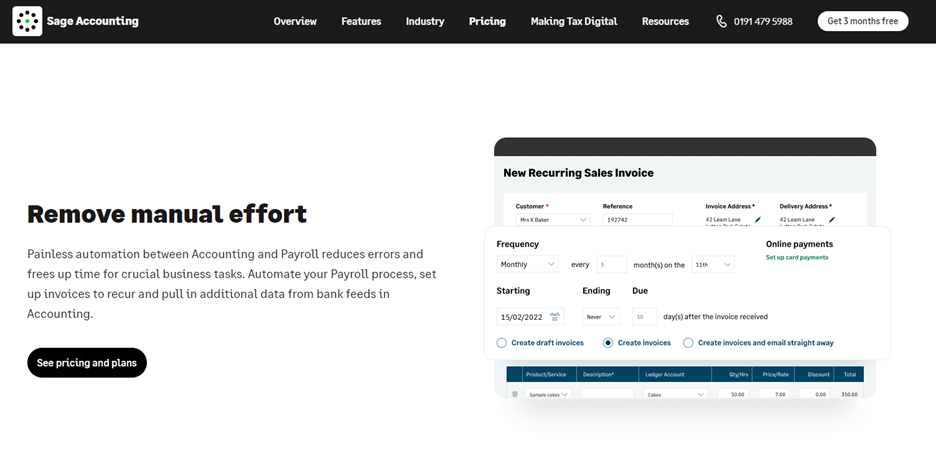
Explicitly lay out your payment process with customers and integrate this into automated services. Accounting payroll software is an excellent tool to help you control your business finances, allowing you to track invoices and overdue payments, set up recurring invoices, and create payslips all in one place. You’ll also be able to customize your invoices to include your payment terms, so it is very clear what they are.

5 Excuses for Late Payment (And How to Manage Them)

Inform customers of consequences

It would be great to think that having clear terms and an efficient payment process means you’ll always get paid on time. However, the truth is there will always be customers who miss payment deadlines.

With that in mind, always be clear and objective about the consequences of delayed payments. When issuing an invoice, state the payment deadline and mention the course of action if payment is not received on time. This could mean contacting a debt collection agency or issuing a late payment fee.

It tells customers what to expect and gives them a chance to avoid those consequences.

Stay professional

Feeling frustrated or angry when customers don’t pay on time is understandable. However, the way you deal with late payments is a reflection of your company. After all, you never know whether an excuse is a genuine error, so you don’t want to assume the worst of customers and lose their business.

You can assume the best intentions while still standing your ground. A quick ‘I appreciate that this was a no-fault error and would still require payment by [date]’ message can do the trick.

Follow up regularly

A huge part of business success is implementing tools and processes that streamline workflows. You may already have implemented HR management software, which can help you manage employee expenses, track staff performance, and seamlessly onboard new employees.

Similarly, digital solutions can be hugely beneficial when chasing payments. Designated software can be used to issue automated reminders, follow-up messages, and personalized confirmation emails that act as proof of payment.

On top of ensuring a quicker, more seamless resolution to the situation, this lets you apply a personal touch and prove to customers that you care about their business.

5 Excuses for Late Payment (And How to Manage Them)

Be flexible

Not every solution is suitable for every customer. For that reason, it’s best to stay flexible by suggesting alternatives on your payment page.

For example, you can offer a customer the option to pay half of the agreed sum upfront and the other half after they receive a product or service. You might also offer payment in installments or work on consignment.

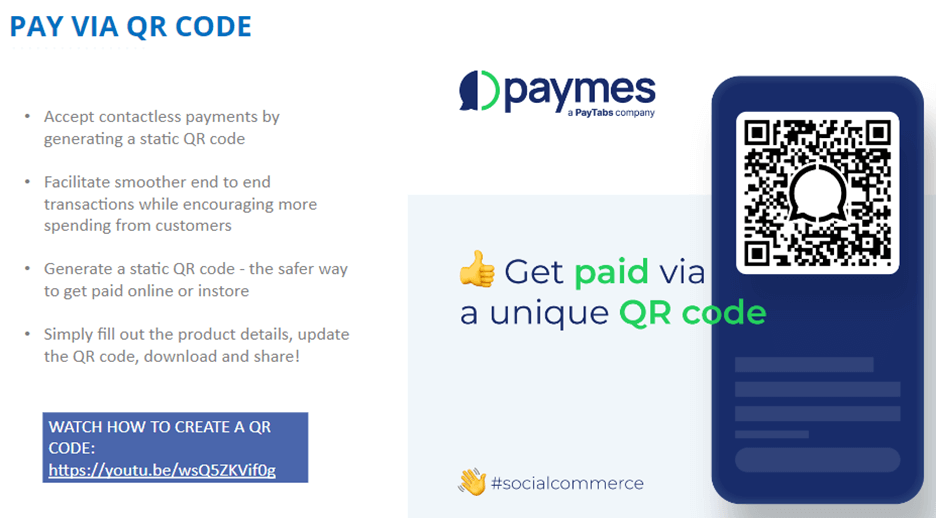
Provide different methods of payment to make it as easy as possible for your customers. For example using the Paymes social commerce platform payment can be made via a link, through the store, or even via a QR code.

5 Excuses for Late Payment (And How to Manage Them)

This shows that you’re willing to compromise and can help build trust between you and your customers.

Final thoughts

Late payments can result in significant costs for your business. However, it’s essential to act professionally when dealing with excuses for late payment. Be proactive: set clear payment guidelines and ensure customers can pay for services quickly and easily. Try to identify the genuine reason for the late payment, be polite but firm when following up, and always work with your customer to ensure a smooth resolution.

Bio:

Sage.comSage is the global market leader for technology that exists to knock down barriers so everyone can thrive. Millions of small and mid-sized businesses, our partners, and accountants trust our finance, HR, and payroll software to make work and money flow. We digitise business processes, strengthening relationships between SMBs and customers, suppliers, employees, banks, and governments. Knocking down barriers also means we use our time, technology, and experience to support digital inequality, economic inequality, and the climate crisis.

PayTabs
Privacy Overview

This website uses cookies so that we can provide you with the best user experience possible. Cookie information is stored in your browser and performs functions such as recognising you when you return to our website and helping our team to understand which sections of the website you find most interesting and useful.