


Mada and Apple Pay Integration for E-Commerce Apps in Saudi Arabia
Posted on
Key Takeaways
- Mada and Apple Pay integration Saudi Arabia enables e-commerce businesses to support the most widely used digital payment options in the local market.
- E-commerce payment integration Saudi Arabia drives higher customer trust, better conversion rates, and meets regulatory requirements.
- Payment gateway integration Saudi Arabia is necessary to accept Mada, Apple Pay, and international cards in e-commerce apps.
- Mada payment integration Saudi Arabia and Apple Pay integration Saudi Arabia demand API implementation and strict SAMA security compliance.
- Costs and timelines vary with payment gateway choice and the complexity of mobile payment integration in Saudi Arabia.
Saudi Arabia’s e-commerce sector is booming, with consumers embracing digital payments Saudi Arabia faster than ever before. Shoppers now expect checkout to be fast and secure, and local payment methods in Saudi Arabia such as Mada and Apple Pay have become standard. For online businesses and mobile apps, e-commerce payment integration in Saudi Arabia is no longer just a technical box to tick, it is a core strategy that shapes conversion, brand reputation, and even regulatory approval.
Mada and Apple Pay integration Saudi Arabia can seem complex due to technical and compliance demands set by SAMA. This guide explains the roles each payment method plays, breaks down how to add Mada integration for e-commerce apps and Apple Pay integration for e-commerce apps, and offers a step-by-step plan. You’ll see how to choose the right Saudi payment gateway integration and understand costs, timelines, and typical challenges.
Getting Mada payment integration Saudi Arabia and Apple Pay integration Saudi Arabia right lets businesses meet customer demand and maintain secure payment integration Saudi Arabia that meets ever-stricter compliance needs. Here’s how to begin.
A strong foundation in Mada and Apple Pay integration Saudi Arabia is essential for any e-commerce provider targeting local shoppers. Mada serves as the national debit network, connecting every local bank and handling almost all domestic card transactions. Its centralized design ensures near-universal acceptance for Mada payment gateway Saudi Arabia in-store and online.
Apple Pay payment gateway Saudi Arabia is now common at checkout, supported by major banks and compatible with iPhones, iPads, Apple Watches, and Macs. More Saudi consumers expect both Mada and Apple Pay integration for e-commerce apps, enjoying convenient, secure payments.
Offering these local payment methods Saudi Arabia provides more than simple transaction processing. Business owners boost checkout conversions by supporting channels customers trust, while also staying compliant with SAMA and Saudi payment processing rules.
Key differences and benefits for Saudi consumers include:
- Mada is a national debit scheme, used daily for groceries, bills, and online purchases.
- Apple Pay is a mobile wallet for digital versions of Mada, credit, and debit cards, allowing tap-to-pay convenience online and in-store.
- Mada transactions help businesses meet regulatory mandates for Saudi Arabia online payment gateway acceptance.
- Apple Pay brings global compatibility and enables users to buy securely through biometrics and device authentication.
- Mada payment gateway Saudi Arabia works for customers without international cards, while Apple Pay payment gateway Saudi Arabia caters to mobile-first users, especially younger shoppers.
When you combine Mada and Apple Pay integration Saudi Arabia, your app can cover nearly the entire market, improve customer experience, and drive repeat business. Supporting local payment methods Saudi Arabia is a must for any brand that wants to succeed in 2026.
Why Local Payment Methods Matter for Saudi E-Commerce
Businesses providing online payment solutions Saudi Arabia need to recognize what local consumers expect. Shoppers want payment solutions for Saudi e-commerce that support both national debit cards and familiar wallets. Supporting these local payment methods makes a tremendous difference:
- Payment expectations are high: Shoppers want Mada and Apple Pay at checkout. Without them through your Saudi Arabia online payment gateway, many will abandon their purchase.
- Mada’s dominance: Mada processed over 2 billion transactions last year, anchoring Saudi payment processing.
- Trust comes with familiarity: Saudi payment gateway integration with local methods builds platform confidence, driving higher conversions.
- Regulatory mandates: SAMA requires e-commerce apps to support Saudi payment processing on approved networks. Skipping this can block app approval.
- International cards alone don’t suffice: Many Saudis avoid or distrust foreign card schemes for local buying.
- A wide payment gateway for e-commerce apps Saudi Arabia is essential, not optional.
- Offering both global and local payment options lets brands reach Saudi buyers and meet payment gateway integration Saudi Arabia rules.
Prioritizing local payment methods Saudi Arabia helps you secure regulatory approval, increase conversion, and build loyal customers.
Mada Payment Integration: Technical Overview and Workflow
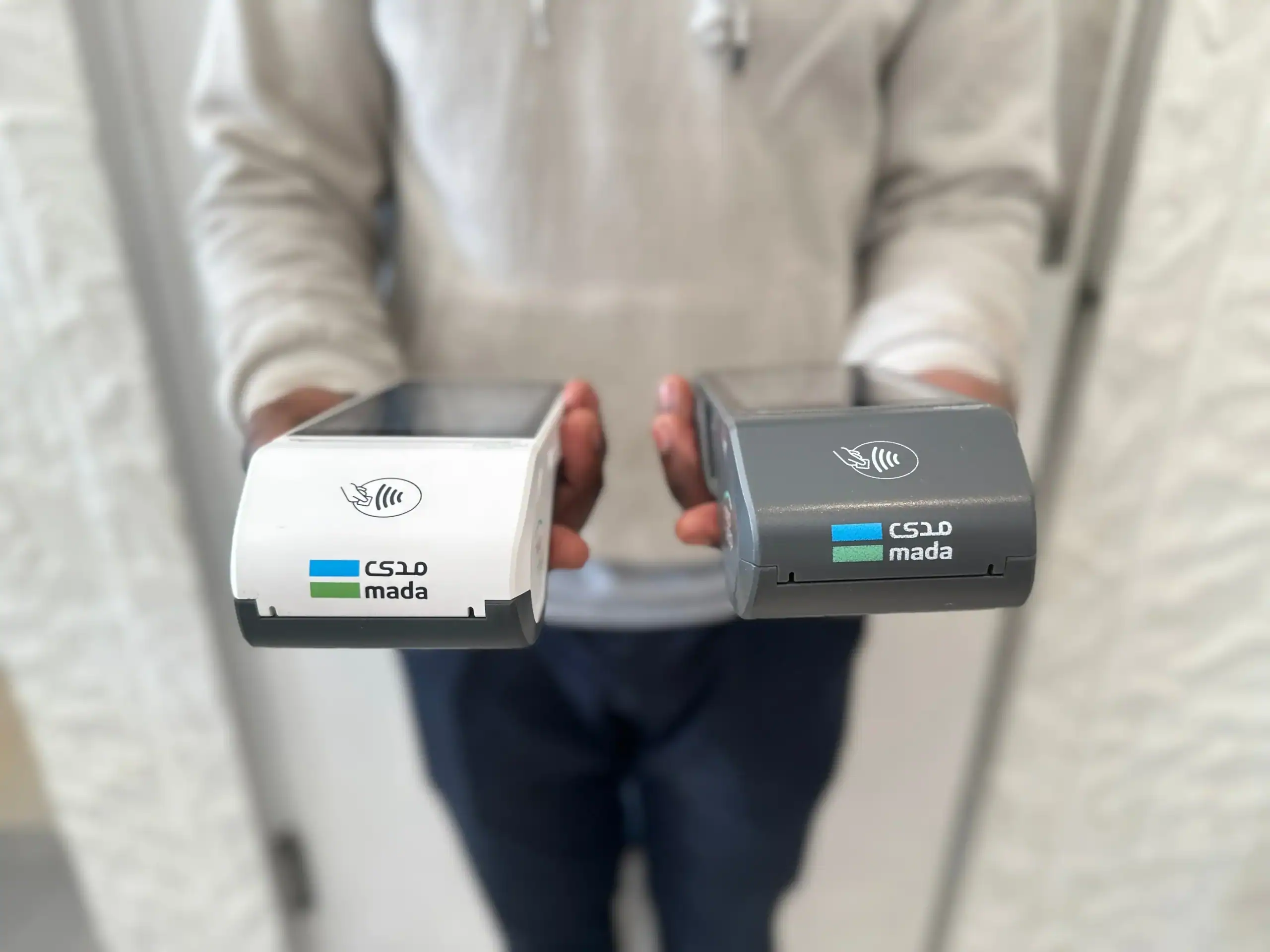
Mada payment integration Saudi Arabia requires more than technical setup, it demands careful adherence to national banking protocols and SAMA regulations. This section details the workflow, API requirements, and key security provisions for successful Mada API integration for mobile apps.
How Mada Payment Gateway Works
Mada payment gateway Saudi Arabia processes payments by authenticating the cardholder, authorizing the transaction, and settling funds to the merchant. When a user enters Mada card details, the gateway transmits this to Mada for verification. After successful authentication, often using 3D Secure, the transaction is approved, and funds are reserved or debited. Settlement typically finishes within one or two working days.
This Mada card payment integration delivers fast, reliable transactions for both the business and its customers. The Mada network automatically applies fraud detection and authentication checks, giving reassurance to all parties.
Mada API Integration Steps
Mada API integration relies on secure endpoints provided via the merchant’s payment gateway. A typical Mada API for mobile apps offers sandbox environments for initial development. Developers usually:
- Register their business and get merchant credentials from the payment gateway Saudi Arabia.
- Access technical docs for Mada API integration, specifying secure data transmission, response handling, and customer messaging.
- Implement endpoints covering payment initiation, 3D Secure authentication, transaction verification, and settlement.
- Test all flows in sandbox mode with test card data.
- Complete compliance checks and pass SAMA vulnerability assessments before production launch.
Both documentation and final setup involve coordination among the gateway, merchant, and acquiring bank.
Security and Compliance for Mada
Mada payment integration Saudi Arabia enforces SAMA payment requirements for encryption, tokenization, and transaction monitoring. Payment details must never be stored in cleartext, and encryption applies to all data in transit and at rest. Most payment gateway integration Saudi Arabia providers offer built-in tokenization and real-time fraud detection. Regular compliance reviews and activity monitoring are vital to prevent issues before they impact customers.
Meeting SAMA rules protects your customers and your business’s license to operate.
Apple Pay Integration for E-Commerce Apps in Saudi Arabia
Apple Pay integration Saudi Arabia enables mobile-first payments for apps and online stores. With Apple Pay API integration, businesses can offer fast, secure, and user-friendly payments built for local consumers.
Integrating Apple Pay for e-commerce apps takes both technical steps and strict compliance with SAMA and Apple requirements.
How Apple Pay Works for Saudi E-Commerce
Apple Pay integration for e-commerce apps lets users pay with stored Mada or credit cards, authenticated via Face ID, Touch ID, or passcode. Supported devices launch a native payment sheet at checkout, offering a seamless, trusted experience.
Saudi banks now natively support Apple Pay payment gateway Saudi Arabia, so nearly any iPhone or Apple Watch user can add their Mada, Visa, or Mastercard and pay online or in-store.
Apple Pay API Integration Steps
Apple Pay API integration begins by registering with Apple and obtaining a Merchant ID. Steps include:
- Creating a Merchant ID in the Apple developer portal.
- Generating an Apple Pay certificate.
- Implementing the Apple Pay API for mobile apps or web and integrating with your chosen payment gateway.
- Running full tests in development and production sandboxes.
- Reviewing all payment flows for SAMA and Apple compliance.
- Deploying to production only after passing SAMA or PCI DSS audits.
Apple Pay integration for e-commerce apps often reaches testing and live stages quickly, thanks to Apple’s developer-friendly toolkit.
Security Features of Apple Pay
Apple Pay uses device authentication, Face ID or Touch ID, before each payment. Tokenization is mandatory; raw card data never reaches the merchant or travels over the web. Every transaction is authorized by a unique cryptographic code, with device security protecting user credentials.
Apple Pay’s secure payment integration Saudi Arabia aligns well with SAMA rules. Merchants also benefit from Apple’s fraud prevention, dispute handling, and frequent security updates.
Comparing Mada and Apple Pay for Saudi E-Commerce
When you evaluate Mada integration for e-commerce apps against Apple Pay integration for e-commerce apps, consider cost, user experience, and security. The table below highlights key differences and similarities.
| Factor | PWA | Native App |
| Payment Type | Local debit network | Mobile wallet (Mada, Visa, Mastercard) |
| User Experience | Card entry, 3D Secure auth | Tap-to-pay, Face/Touch ID |
| Security | SAMA-compliant encryption, 3DS | Tokenization, device authentication |
| Fee Structure | Local bank and gateway fees | Gateway and Apple transaction fee |
| Market Coverage | Nearly all Saudi consumers | Mobile-first users, young shoppers |
| Regulation | Mandatory for e-commerce | Growing, highly encouraged |
| Settlement Speed | Fast, next-day or sooner | Immediate to next-day |
| Supported Gateways | Most local and global gateways | Gateways with Apple Pay readiness |
Offering both payment gateway for e-commerce apps Saudi Arabia options meets all customer preferences. Mada integration for e-commerce apps is often required by regulators, while Apple Pay integration for e-commerce apps is now just as important to shoppers. For best coverage and conversion, your checkout integration Saudi Arabia should support both.
Payment Gateway Options Supporting Mada and Apple Pay in Saudi Arabia
Your choice of provider for Saudi payment gateway integration shapes your technical approach, API capabilities, and compliance support. Most e-commerce companies now seek providers that support both Mada payment gateway Saudi Arabia and Apple Pay payment gateway Saudi Arabia.
Top payment gateway integration Saudi Arabia options for 2026 include:
- HyperPay: Strong APIs, advanced compliance tools, and fast settlement. Fully supports Mada and Apple Pay, ideal for high-volume sites.
- PayTabs: Popular in Saudi Arabia for comprehensive docs, PCI DSS features, and real-time analytics dashboards.
- Moyasar: A favorite for developers, offering straightforward integration with major frameworks, robust Mada and Apple Pay support, and a developer-friendly sandbox.
- Tap Payments: Quick onboarding and flexible APIs, with out-of-the-box support for Mada and Apple Pay.
- Cubix: Delivers full Saudi payment gateway integration, customized end-to-end solutions, and support for all local and global cards, including Mada and Apple Pay.
When you review payment gateway integration Saudi Arabia providers, prioritize:
- Verified SAMA and PCI DSS compliance.
- Mada and Apple Pay support in both sandbox and production.
- Clear API documentation and use cases.
- Settlement times and refund processing.
- Responsive support for compliance and technical updates.
The right Saudi payment gateway integration partner builds the groundwork for secure, scalable payments in Saudi Arabia.
SAMA Compliance and Security Requirements for Payment Integration
Secure payment integration Saudi Arabia depends on meeting SAMA payment requirements before any e-commerce service can launch. These standards protect users and ensure reliable payments.
Key SAMA Rules for Online Payments
SAMA payment requirements enforce that every licensed payment gateway integration Saudi Arabia service must have:
- PCI DSS certification for any payment data handling.
- 3D Secure authentication required on all card payments.
- Data localization so that payment records stay within Saudi Arabia.
- Frequent vulnerability testing and mandatory pre-launch audits.
These standards shape every part of mobile wallet integration Saudi Arabia.
Security Best Practices
Besides regulations, businesses should implement:
- Tokenization of all cardholder data, so real card numbers never enter memory or logs.
- Advanced encryption for every transaction, both in transit and at rest.
- Regular penetration testing and ongoing monitoring to detect and fix threats early.
Secure payment integration Saudi Arabia protects customer trust and ensures every compliance requirement is fully covered from the start.
Step-by-Step Guide to Integrating Mada and Apple Pay
Achieving Mada and Apple Pay integration Saudi Arabia requires planning, coding, and thorough testing. Here’s a step-by-step guide to help you launch in-app payments Saudi Arabia and mobile payment integration Saudi Arabia.
- Requirements Analysis
- Define your business model, transaction types, and expected transaction volumes.
- Decide if you need recurring payments, refunds, or just one-time transactions.
- Choose your platforms: web, iOS, Android, or all.
- Select Your Payment Gateway
- Shortlist providers supporting Mada and Apple Pay.
- Verify the gateway aligns with Saudi payment gateway integration needs and meets your compliance goals.
- Register for Merchant Accounts
- Apply for onboarding with your payment gateway and submit business documentation.
- For Mada, complete all KYC and bank partnership steps.
- For Apple Pay, register a Merchant ID in Apple’s portal.
- API Integration Preparation
- Access documentation for Mada API integration and Apple Pay API integration.
- Set up sandbox environments for both payment methods.
- Coordinate with your gateway for test card numbers and merchant keys.
- Implement Payment APIs
- Build checkout flows with Mada API for local cards and Apple Pay API for wallet payments.
- Use sandbox credentials to simulate purchases and error scenarios.
- Ensure in-app payments Saudi Arabia and mobile payment integration Saudi Arabia support all your business cases.
- Test UX and Edge Cases
- Test every payment method on all supported devices and platforms.
- Make error messages clear and actionable, with helpful recovery steps.
- Ensure international users see sensible options, with Mada highlighted for Saudi shoppers.
- Compliance and Security Review
- Complete vulnerability scans and review SAMA, PCI DSS, and 3D Secure implementations.
- Finalize localization and language for receipts and checkout.
- Move to Production
- Get final gateway approval for live processing.
- Replace sandbox credentials with production ones.
- Run live transactions to confirm settlement and accounting.
- Deploy and Promote
- Clearly display supported payment methods in app listings and checkout screens.
- Monitor for failed transactions, fraud alerts, and unusual patterns.
- Ongoing Maintenance
- Review API, regulatory, and fraud prevention updates regularly.
- Train support teams on troubleshooting and compliance.
Staying organized through these steps streamlines e-commerce app development Saudi Arabia and fintech app development Saudi Arabia, ensuring full payment gateway integration Saudi Arabia compliance from launch. For businesses looking to expand their digital presence, understanding the mobile app development process is also crucial.
Cost and Timeline for Payment Integration in Saudi E-Commerce Apps
Knowing the cost of Mada integration Saudi Arabia and the cost of Apple Pay integration Saudi Arabia helps you plan your e-commerce app development Saudi Arabia budget. Here’s a breakdown of costs and timelines:
| Cost Component | Estimated Range (USD) |
| API Integration | $5,000 -$10,000 |
| Compliance Review | $2,500 -$7,000 |
| Testing & QA | $2,000 -$5,000 |
| Merchant Onboarding | $1,000 -$3,000 |
| Total Project | $12,000 -$30,000 |
- API integration covers development time for Mada API for mobile apps and Apple Pay API for mobile apps.
- Compliance and security costs rise with stricter SAMA or PCI DSS demands.
- Testing and support may require several payment gateway for e-commerce apps Saudi Arabia rounds before approval.
- Timelines: Full payment integration typically takes 8-12 weeks, including compliance and onboarding.
- Factors impacting costs include app complexity, payment gateway, need for sandbox/live setups, and regulatory updates during e-commerce app development Saudi Arabia.
Starting early with an integration partner can lower costs by reducing rework. For budgeting and planning, reviewing mobile app development cost insights can be helpful.
Common Integration Challenges and How to Solve Them
Adding Mada API integration and Apple Pay API integration to checkout integration Saudi Arabia is not without hurdles. Here are common challenges and proven solutions:
- API version mismatches: Gateways may update APIs without backward compatibility. Solution: Always use the latest documentation and schedule update checks.
- SAMA compliance delays: Regulatory reviews can slow launch. Solution: Involve compliance experts early and ensure documentation is complete.
- Device or OS compatibility issues: Different iOS or Android builds may treat Apple Pay API for mobile apps differently. Solution: Test each payment method on all target devices and versions.
- Confusing error handling: Users may leave after a payment failure. Solution: Provide clear, actionable error messages and alternate payment options.
- App store submission issues: Marketplaces may request proof your payment flows meet requirements. Solution: Submit screenshots and compliance docs when you submit for review.
- Settlement and reconciliation hurdles: Sometimes, funds don’t settle as expected between the gateway, bank, and merchant. Solution: Use your payment gateway for e-commerce apps Saudi Arabia’s reconciliation tools.
Addressing these early speeds up mobile wallet integration Saudi Arabia and creates a smoother customer experience. For more on overcoming technical hurdles, see our mobile app development challenges resource.
Best Practices for Checkout and Payment Experience in Saudi E-Commerce
Optimizing e-commerce payment integration Saudi Arabia means fine-tuning your checkout and secure payment integration Saudi Arabia flow. Apply these best practices:
- Minimize required fields and enable one-tap Mada and Apple Pay payments.
- Make payment options prominent, using branding to help users spot Mada and Apple Pay.
- Write clear, localized error messages for each failure type.
- Offer instant in-app support, like live chat or quick email help, for payment issues.
- Test your mobile wallet integration Saudi Arabia on every major device, OS, and platform.
- Check analytics regularly to spot abandonment and adjust flows as needed.
- Allow guest checkout whenever possible, and only require registration post-payment.
- Ensure your payment solutions for Saudi e-commerce can handle refunds and recurring payments if needed.
- Work with your provider to run security and compliance tests at least once per quarter.
Following these steps ensures secure, reliable, and conversion-focused payment flows.
Why Cubix Is the Preferred Partner for Mada and Apple Pay Integration
Choosing a Mada integration company Saudi Arabia or Apple Pay integration company Saudi Arabia is a big decision. You want a partner who offers technical confidence, regulatory expertise, and thorough service. Cubix stands out by delivering high-quality Mada API for mobile apps and Apple Pay API for mobile apps integration with end-to-end support.
Cubix also specializes in helping businesses transform your e-commerce website to a m-commerce app, ensuring seamless digital payment integration and mobile user experience.
Cubix’s Expertise in Local Payment Methods
Cubix has built payment integrations for retail, travel, and digital services across Saudi Arabia. The team knows every Mada integration company Saudi Arabia requirement, from API workflows to SAMA compliance. Cubix’s technology stack covers secure APIs, advanced sandbox testing, and turnkey Mada and Apple Pay support, helping businesses launch quickly and securely.
End-to-End Support from Planning to Launch
Cubix handles everything from gathering requirements to ongoing maintenance. As an Apple Pay integration company Saudi Arabia, the team works with gateways, manages testing and go-live, and tracks SAMA payment requirements to ensure continuous compliance. Cubix delivers regular API updates, detailed pre-launch audits, and round-the-clock support, providing a complete service from first step to long-term operations. Cubix’s expertise also covers the mobile app development process, ensuring smooth project delivery.
Frequently Asked Questions
1. What is Mada payment integration in Saudi Arabia?
Mada payment integration in Saudi Arabia lets e-commerce businesses accept local debit cards for online and mobile transactions through approved payment gateways. It is vital for regulatory compliance and broad customer acceptance.
2. How do you integrate Mada into an e-commerce app?
To integrate Mada, choose a gateway that supports it, obtain API credentials, follow sandbox and production setup procedures, and complete all SAMA-compliant testing before launching.
3. How do you integrate Apple Pay into a Saudi e-commerce app?
Integrating Apple Pay means registering as a merchant with Apple, generating the necessary certificates, integrating the Apple Pay API, and working with a supported gateway for transaction settlement and compliance.
4. How does Mada payment gateway work?
The Mada payment gateway securely sends card details to Mada’s network, authenticates the transaction, and ensures funds are settled in the merchant’s account.
5. How does Apple Pay work for Saudi e-commerce apps?
Apple Pay lets users complete payments with stored cards using a secure payment sheet, biometric authentication, and tokenized card details, all supported by Saudi banks.
6. What are the requirements for Mada integration in Saudi Arabia?
You need a local merchant bank account, approval from a licensed gateway, technical API integration, and full compliance with SAMA and PCI DSS standards.
7. What are the requirements for Apple Pay integration in Saudi Arabia?
Apple Pay integration requires merchant registration with Apple, a compatible payment gateway, certificate setup, iOS device compatibility, and adherence to local security and compliance regulations.
8. How much does Mada integration cost in Saudi Arabia?
Costs for Mada integration usually range from $12,000 to $30,000, depending on app complexity, gateway choice, and compliance requirements.
9. How much does Apple Pay integration cost in Saudi Arabia?
Apple Pay integration costs are similar to Mada, typically falling between $12,000 and $30,000 for development, compliance, and gateway processing.
10. What payment gateway supports Mada and Apple Pay in Saudi Arabia?
Top gateways such as HyperPay, PayTabs, Moyasar, Tap Payments, and Cubix all offer support for Mada and Apple Pay integration for Saudi e-commerce.

SVP
As SVP with over 17 years of experience, Shoaib specializes in enterprise architecture, distributed systems, cloud-native solutions, and technology leadership. At Cubix, He drives architectural governance, engineering best practices, and scalable digital transformation initiatives that deliver measurable business outcomes.