×

4 brand strategies to acquire and retain customers

Category: Growth Hacks

4 brand strategies to acquire and retain customers

4 brand strategies to acquire and retain customers

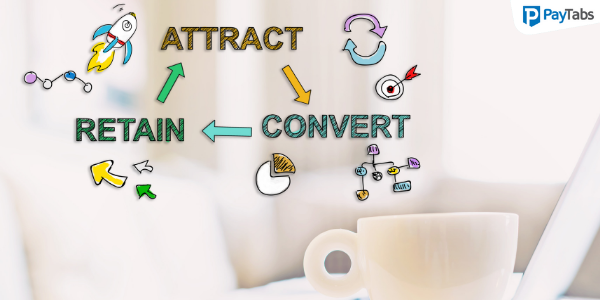
Growing a business in today’s competitive environment is not easy. While a globalized market provides a larger market base, it also presents a plethora of challenges, including global competition, higher costs of operations, complex business licensing among other issues. However, you can still gain a competitive edge in your industry through a clear-cut strategy for customer acquisition and retention. Most business owners focus primarily on customer acquisition while overlooking customer retention, which leads to poor performance. There are some unique brand strategies that can help you to acquire customers while at the same time reducing churn rates. This article explores some of these strategies. Read on.

  1. Providing flexible payment options

For your business to survive in this competitive environment, you must provide an excellent user experience. The way potential customers interact with your business from the beginning to the end determines whether they will shop from you or walk away. From the moment a customer lands on your online store to the moment they complete payment, the experience should be seamless.

It is advisable to partner with a payment solutions company to enable online payments for your customers. The payment gateway you use should allow for safe, flexible, and secure payments and this will win you, customers while building loyalty among existing ones.

  1. Be authentic and consistent

When starting a business, every entrepreneur has an objective and to achieve this; there is a need to provide a consistent user experience. To acquire customers, your brand must prove over time that it can provide exquisite services. Potential customers must feel the need to associate with your brand and you achieve this by not only providing outstanding products and services but by being authentic and consistent. Make sure you have an authentic voice and provide a seamless user experience always as this will help you acquire new customers and retain the existing ones.

  1. Provide value to your customers

Anyone can start a business, but the only enterprise that can survive is the one that offers value to the customer. Whatever your business idea, make sure it adds value to your potential customers. In a world where consumers are lost for choice, there is a need to distinguish yourself by creating an impact in the life of your customers. Don’t push your products or services in the face of potential customers, but instead, show how these can impact positively on their lives. This is a branding strategy that not only attracts new customers but also helps retain existing ones.

  1. Incentivize customer referrals

As your business grows, you need to boost loyalty by creating a loyalty program. This is a great customer retention strategy. However, you can also use this as a branding strategy to acquire new customers by incentivizing customers for their referrals. Customers love rewards and they will spread the good word about your brand by word of mouth. This is a creative way of making the most out of your loyalty program. You will not only boost customer retention through this strategy, but you will also interest existing customers to stick around longer.

When you take payments online, incentivize customers for their referrals, provide a consistent user experience, and add value to your customer’s life, you will easily acquire and retain your customers. These are just a few of the branding strategies which help you to acquire and retain customers at the same time. These two-prong strategies will not only promote brand loyalty, but also increase sales conversion, enhance ROI, improve customer satisfaction rating, and much more. It is important to review and evaluate these strategies constantly to ensure they meet the set objectives.
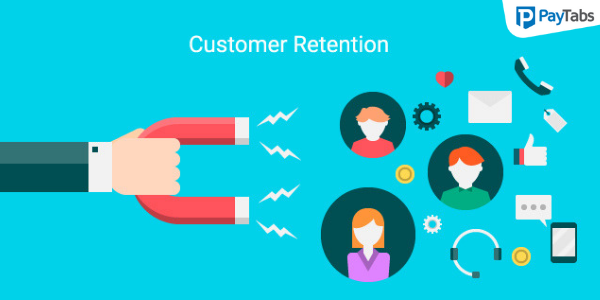

6 ways your billing system can improve customer retention

6 ways your billing system can improve customer retention

As a business owner, you need to appreciate the importance of customer retention. A solid customer retention strategy helps save money on marketing, boosts repeat sales, accords your business free word of mouth advertising, reduces customer churn rate, builds a loyal customer base and helps collect invaluable feedback from your customers.  A study by Reichheld of Bain & Company published on the Harvard Business Review says acquiring one customer is 5-25% more expensive than retaining an existing one. The same study shows a 5% increase in customer retention rates boosts profits by 25% to 95%. There’s no overemphasizing the importance of customer retention in today’s overly competitive business landscape.

One of the most effective strategies for online businesses to build loyalty among the existing customers is to take payments online. If you have been wondering how you can improve your online business fortunes, this article highlights the importance of a billing system in customer retention. Read on.

  1. Personalize the customer’s experience

One of the most conspicuous changes in business marketing is increasing focus on personalization. The modern day consumer has become accustomed to customized experiences everywhere they go to including Facebook, online shopping sites and utility service providers.

If you have a billing system, make sure you offer a tailored experience to retain your customers. Provide a single customer account interface and provide real-time processing. The customer needs to own the billing process and you must ensure this by using a payment gateway which you can customize.

  1. Reduce involuntary churn

The modern shopper has an infamous short attention span and they want instant gratification. While most consumers make conscious decisions to leave an online store, others walk away due to weak technology. This is involuntary churn and you must avoid it in your billing system. Make sure your billing system offers automatic retry, account updater services and multiple payment options in case the primary one fails. The rule of thumb is never to allow a problematic payment get in the way of customer relationship.

  1. Use a self-Service portal to provide a better user experience

The best billing system comes with a one-stop-shop portal where customers can complete all transactions. Most of your customers today have a lot of tech know-how and they want to stay in control. A self-service portal reduces waiting times and poor satisfaction levels caused by your delayed customer resolution to issues.

  1. Provide flexible payment options

The modern shopper wants a variety of choices in everything and when it comes to online payments, your billing system must offer convenience. It is no wonder then that a recent YouGov survey published on the Retail Technology Review says 50% of shoppers cancel a purchase if their preferred payment method is unavailable on a site. Simply put, your billing system must accommodate multiple payments to avoid customer churn.

  1. Improve system efficiency

In the online business ecosystem, you need systems operating like clockwork. If you accept payments online, your billing system should offer a seamless experience. The system should provide crucial information instantly to both the customer and your customer service team. This, in turn, leads to higher customer ratings and reduced customer defections.

  1. Leverage billing data for better service delivery

Data is one of the most crucial assets that any business can invest in today. Now that you have a self-service portal on your billing system, you can collect invaluable data which will help create memorable customer experiences. You can monitor customers’ preferences, offer custom content on email marketing, contact a specific customer to follow up on any changes in their service portal and so much more.

There are many other ways your billing system can improve customer retention levels for your business. It is a seamless platform to build an engaging relationship with your customers, improve the user experience, provide a personalized experience, and offer payment convenience. With an efficient payment system on your online store, you are already on the right path in your customer retention journey.

5 ways to optimize your m-commerce business

5 ways to optimize your m-commerce business

E-commerce is revolutionizing the shopping experience of the buyers. People are more comfortable shopping online rather than stepping out of their comfort zone. The widespread smartphone penetration has further propelled the growth of e-commerce, particularly mobile e-commerce. By 2021, mobile commerce sales will constitute 54% of the total e-commerce sales.

If you are planning to tap prospective customers who prefer mobile shopping, you must focus on delivering a seamless mobile retail experience. And if you are wondering how to optimize online retail business for mobile users, the following tips will be beneficial for you.

Get hold of a responsive design

A responsive e-commerce website is one that comfortably adapts according to the screen size of the device. When it comes to mobile shopping, the screen size matters a lot. The condensed layout of the website must accommodate all the information in a well-defined manner. For example, the payment gateway page should adjust accordingly, without ruining the user experience.

Focusing on visuals rather than text is a smart way to connect with the buyers. This will ensure a minimal layout, and at the same time, you do not have to compromise on the user experience. Developing a shopping app is also feasible, but it will cost a fortune. Moreover, according to BI Intelligence’s Mobile Checkout Report, mobile shopping websites are popular among shoppers. Therefore, optimizing e-commerce website for mobile users should be your priority.

Facilitate social media shopping

If you do not find, shoppers browsing your mobile shopping store, you will find them hanging out on social media. And since you can integrate your online store and social media accounts, you can enable social media shopping. For example, Facebook, Instagram, and Pinterest allow you to promote and sell your products and services on social media. The visitors click on the Shop or Buyable Pins icon, and they are redirected to the secure payment processor. This is an excellent way to drive more sales because social media shopping reduces the number of steps involved during shopping.

Provide an intuitive user interface

If you deliver a seamless user experience to mobile users, you will witness higher conversion rates. Optimizing user interface is the best way to ensure maximum engagement. As the screen size gets smaller, it is better to focus on visuals rather than text information. Opt for photos, 360-degree images, videos, and so on. To increase click-through-rate, add a hovering “Buy Now” button. Keep the checkout process simple enough to avoid any confusion. Develop urgency in buyers by displaying product count, placing a countdown for a limited-time sale, and highlighting slashed down product prices.

Develop a relationship with customers

Once you acquire customers, you have to double your efforts to retain them. Let them create a profile on your e-commerce site, invite friends, share their collection with other users, upload photographs, and so on. Since users spend most of their time on smartphones, consider optimizing profile section for mobile screens. Allow customers to log in with their social media accounts, eliminating the need to create a personalized account.

Ask customers to opt for mobile notifications so that you can send them instant notifications related to product deals. Communicating with your customers via an email outreach program ensures higher engagement and conversions.

Make the mobile checkout process smooth and attractive

The cart abandonment rate is approximately 85.65% for mobile shopping carts. This highlights the need for optimizing checkout procedure for m-commerce. Aim at reducing the checkout steps to increase the conversion rate. If the customer abandons cart at the last moment, send a personalized offer such as a discount or cashback. In addition to credit and debit card transactions, online payment platforms should provide options like net banking, wallet payments, UPI payments, gift vouchers, and so on.

The bottom line

M-commerce can drastically increase your customer base if you optimize your business for mobile users. As smartphone penetration and internet accessibility increase exponentially, people are opting for convenient shopping means. Adhere to the aforementioned tips to render a hassle-free mobile retail experience for the shoppers.

How to use Price Localization for Increasing Global Sales?

How to use Price Localization for Increasing Global Sales?

The price of a product or service is the most influencing factor for a buyer. Of course, there are other factors affecting online sales, such as geographic location, currency, user experience, and so on. When we talk about price localization, we incorporate all these factors to render a customized shopping experience. According to a study, a group of SAAS companies confirmed that sales performance increased by 30% when price localization was implemented.

You can simply make changes in a payment gateway process by accepting local currencies and adjust pricing according to the market demand to successfully implement price localization. In addition to these, there are other ways as well. Here, we highlight the importance of price localization, and how it will affect your international business.

Cosmetic Localization versus True Localization

Price localization happens at various levels, depending on your goals. For example, if you have a product that sells really well, you can apply basic changes to boost global sales. But if you are entering a new market, you have to consider multiple aspects. Based on these two situations, there are two localization types – Cosmetic localization and true localization.

  1. Cosmetic Localization

Currency Exchange – Under this strategy, you can provide competitive exchange rates when converting the price of the product in local currency. Further, ensure minimum payment gateway charges to reduce additional costs, besides the product price.

Local Currency – You can also simply eliminate the need to provide an exchange facility by showing prices in local currency. This will improve the user experience, resulting in higher chances of customer acquisition.

Local Language – Translating website content into the local language is another way of tapping local customers. According to a study by KPMG and Google in India, 68% internet users prefer content in local language rather than in English.

  1. True Localization

Market Demand – You just cannot change the price and currency, and expect a rise in sales. When cosmetic localization doesn’t work, true localization comes in. The foremost influencing factor is market demand, and whether the market is saturated or not. For example, if the product demand is high in Europe but the competition is low, you can sell the product at a higher price.

Buyer Personas – The price is influenced by buyer personas as well. This involves customer’s demographics, buying behavior, and other factors. You have to customize a package, design, or features according to the customer’s preference. For example, some products may work well in the USA but they won’t sell in India unless you customize it according to buyer persona.

Purchasing Power Parity (PPP)

The price localization depends on the purchasing power of the currency. The purchasing power is determined by considering factors like income levels, cost of living, and so on. The purchasing power parity (PPP) aims at striking the balance between two currencies. In other words, as per PPP, the cost of a product should be the same in both currencies. For example, if a pair of shoes cost $50 in the USA, it should cost Rs 2500 in India, if the conversion rate is 50.

But the currencies, in comparison to US dollar, are either undervalued or overvalued. Now if you keep the prices same for the global market according to the PPP, the sales may get hampered. So on the basis of the conversion rate, exchange rate, and customer’s willingness to pay a particular price; you should adjust the selling price so that customers don’t hesitate to pay the price.

Customer’s Sensitivity

A customer is sensitive to various factors, not just the price and benefits. While pricing the product for a targeted audience, analyze factors like customer’s income, lifestyle, spending pattern, preferences, market demand & supply, the local language, and so on. Conduct surveys or deploy big data analytics to accrue information. The price localization works effectively when you create value according to customer’s sensitiveness and set a suitable price tag.

The Final Words

Price localization is an effective strategy of catering to the targeted audience, thereby, boosting local sales. It’s not just an option but a dire need if you want to tap the global market. Understand the market demand, and step into the market with the right product and price tag before you lose the ground to your competitors.

Launching an E-Commerce Business? Here are 7 Web Design Mistakes To Avoid

Launching an E-Commerce Business? Here are 7 Web Design Mistakes To Avoid

The growth of e-commerce is simply phenomenal. In 2017 alone, the ecommerce industry accounted for around $2.3 trillion in sales, and the number will grow to $4.5 trillion in 2021 according to Statista. In the U.S., e-commerce accounts for 10% of retail sales with a projected increase of 15% each year. But it is not all rosy because millions of ecommerce stores collapse within a few months of launch.  According to a Fortune Report, more than half of startups fail, and this should be a warning sign. One of the main reasons for such failure is poor web design. Now that all your transactions will happen online, you need a professionally designed website to meet growing demand from your customers. Many online retailers rush to set up stores only to experience hiccups arising from unreliable e-commerce designs.

This article highlights some of the most common design mistakes that online retailers make and proposes tips to avoid them. Read on.

  1. Poor Image Quality

The power of visuals in marketing cannot be overemphasized.  Your e-commerce website images are the first thing visitors will see and if they are not impressive, it is likely you will lose business. The online shoppers have many choices with other online stores competing for their attention. If you don’t display high-resolution product images, you risk turning off potential buyers because they will question your credibility. Investing in high-resolution images is similar to a brick-and-mortar store investing in lighting and other techniques to improve product displays.

  1. Confusing/ Scanty Product Descriptions

When potential customers visit your ecommerce store, they expect to get all the information they need about your products or services. A major pitfall in ecommerce web design is a failure to include clear, helpful product description or worse still, using scanty and confusing descriptions. Good copywriting and product descriptions are integral in your e-commerce web design to avoid high bounce rates and high cart abandonment rates. Provide relevant information but avoid overloading the product descriptions as this might confuse the readers.

  1. Limited Payment Methods

One of the most important aspects of a good e-commerce web design is seamless user experience. To provide this, you not only have to take payments online but you must make the process fast and easy. You should use a payment gateway that allows multiple payment options to deliver an enjoyable user experience. Your e-commerce design must integrate multiple payment options to avoid cart abandonment and to ensure the customer completes the purchase journey.

  1. Lack of Customer Support Information

While online shopping has increased tremendously over the years, most shoppers still need a lot of information before completing purchases. For this reason, your e-commerce web design must integrate a well-detailed contact page for easy communication. Include all communication channels including phone, email, social media networks, and live chat among others.  If a customer needs to contact your store, it should be a quick and simple process. For this reason, add your contact information in strategic places on the web pages.

  1. Failure to Include Shipping Information

A quick glance at most online customer complaints shows that shipping is a very critical issue. It can make or break your e-commerce store. If you want to create a seamless user experience, make sure you provide comprehensive shipping information on your e-commerce website.

Failure to include shipping details including proper shipping rates, timelines, product tracking and other details is a common web design mistake that you have to avoid. It leads to low revenues because shoppers need these details before making a purchase.

  1. Cluttered/Over-Crowded/ Complicated Design

Don’t fall for the temptation to include everything in your website because this will lead to loss of business. Online shoppers have a short attention span and they want to find whatever they need fast. Avoid an overcrowded web design as it is ugly and confuses potential buyers.

  1. A Non- Mobile-Friendly Web Design

Google has already indicated that mobile internet has surpassed desktop access and this is enough reason to invest in mobile-friendly web designs. A responsive e-commerce website helps leverage the growing mobile internet market. With Mobile First Index, Accelerated Mobile Pages (AMP) Project and other initiatives emphasizing the importance of mobile, you can only overlook a mobile-friendly web design at your own peril.

There are many other web design flaws such as slow loading time, complicated sign-up forms, dated design, lack of clear call to action (CTA) among others. Avoid these web design mistakes to deliver a world-class customer experience which in turn leads to reduction in bounce rates, higher sales conversion, customer loyalty, and a good brand image.

PayTabs
Privacy Overview

This website uses cookies so that we can provide you with the best user experience possible. Cookie information is stored in your browser and performs functions such as recognising you when you return to our website and helping our team to understand which sections of the website you find most interesting and useful.