×

Reduce your cart abandonment and checkout times with PayTabs’s 3DS 2.0 compliance

3DS 2.0

OTPs and static passwords are costing you sales

Cart abandonment is an 18 billion USD problem for merchants worldwide. A staggering  7 out of 10 shoppers abandon their carts, making it a major worry for e-commerce businesses. Among mobile users, it’s even higher; 85.65%.

A study in the US found that 18% of shoppers abandoned their cart because checkout is too complex. Another 17% did so because they were worried about their credit card information safety.

Merchants need to offer ease of check out and peace of mind to their customers if they are to address the problem. In MENA, until now, payment gateway providers only offered payment authentication via static passwords and One Time Passwords (OTP/OTPs), which cause high friction and security worries among shoppers.

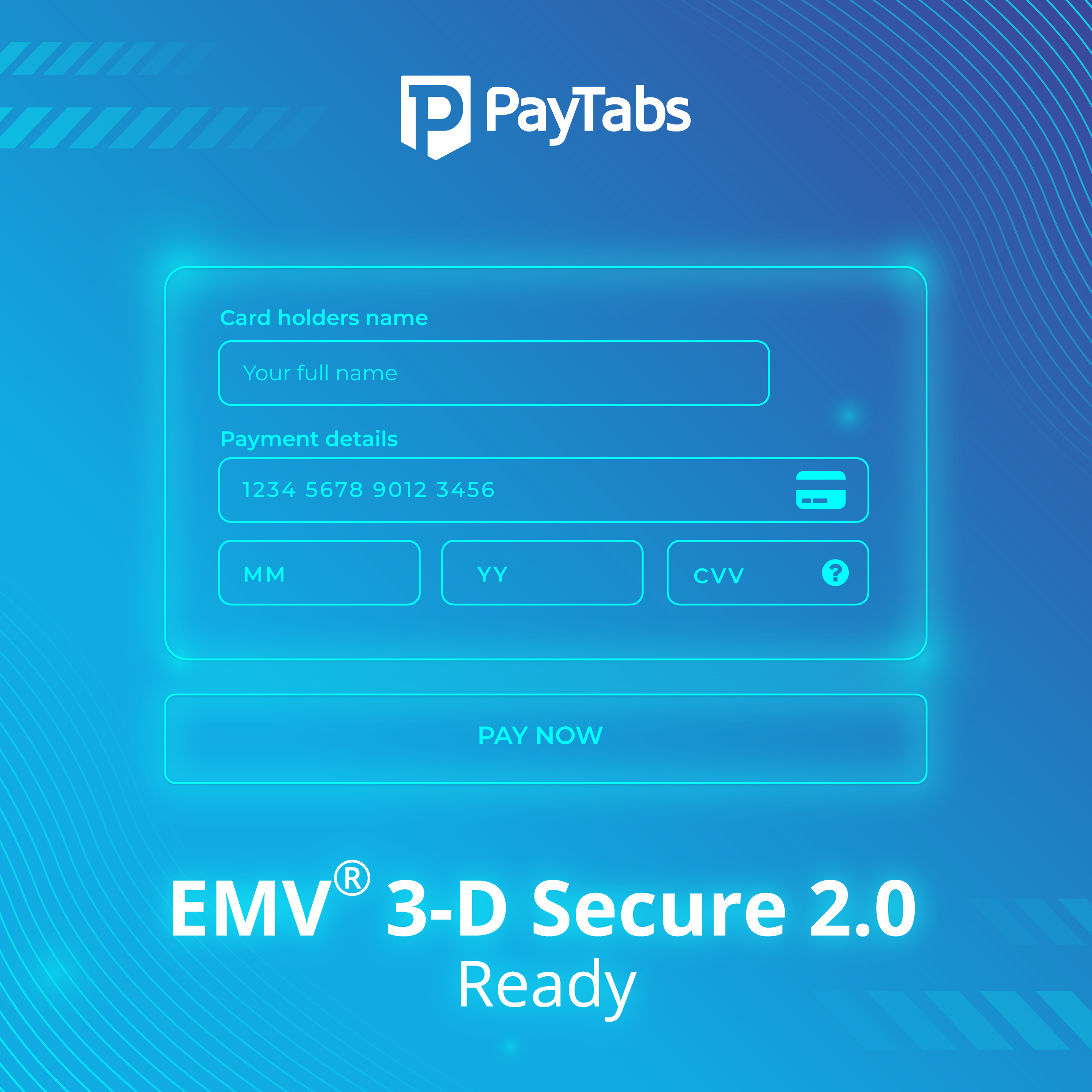
PayTabs brings you the new risk-based authentication technology, 3DS 2.0, a solution to these problems provided by EMVCo, a global regulatory body for payment safety. PayTabs is among the first companies in the world to become 3DS 2.0 compliant and the very first in Egypt.

What is 3DS 2.0?

 3 Domain Secure 2.0 (3DS 2.0) is a new security protocol for authenticating transactions where the cardholder is not physically present.

3DS 2.0 is a complete shift from 3 Domain Secure 1.0 (3DS 1.0), introduced in 1999. Although 1.0 to 2.0 sounds like an upgrade, the two protocols work very differently.

How 3DS 1.0 works

3DS 1.0, shares information and authorizes payments via static passwords and OTPs. It soon proved to be not good enough, as it was,

  • High levels of friction
  • Risk due to OTP redirects and static passwords
  • Incompatible with mobile
  • Incompatible with digital wallets

The challenges with 3DS 1.0 persisted, despite the new versions that were released. Buyers kept abandoning carts and merchants kept losing sales. Enter 3DS 2.0.

How 3DS 2.0 works

 The key difference between the two protocols is how they authenticate transactions. 3DS 1.0 uses Two-Factor Authentication (2FA). 3DS 2.0 uses Risk-based authentication.

2FA is a static process and does not make any judgements on the transaction risk involved. Risk-based authentication is dynamic and makes assessments based on various factors. The factors include,

  • Transaction amount
  • Number of transactions within a timeframe
  • Cumulative payment amount within a timeframe
  • Merchant and country

Risk-based authentication uses biometric data and tokens. A fingerprint is much faster, easier, and secure than any password. Payments Journal has reported a case study where checkout times were reduced by 85% and cart abandonment rates were reduced by 70% after 3DS 2.0 was implemented.

Differences between 3DS 1.0 and 3DS 2.0

  3DS 1.0 3DS 2.0
Support environment Browsers only Browsers, native mobile integration, supports wallets
Risk judgement None used Risk-based authentication used
Data safety Not good. Redirects to new web pages expose data. No redirects, therefore safe and effective.
Authentication procedure 2FA Risk-based authentication
Authentication is done via Dynamic OTPs and static passwords Biometrics such as fingerprints, voice, palm

How to switch to 3DS 2.0?

 Visa will discontinue support for 3DS 1.0 after October 2022 as the world moves to 3DS 2.0.

PayTabs will help all customers who wish to transition do so for free. Your customers will benefit from the added security and better UX across their browsers, apps, and devices. You’ll be able to enjoy better conversions and sales at no extra cost.

Our tech support will make the switch as seamless as possible for you.

Be one of the first merchants in MENA to integrate 3DS 2.0 security

Show your customers how much you care about their safety and experience. Get an edge over your competitors.

Contact us today and we will help you transition within a couple of days  to 3DS 2.0.

 

Kasun Pathirage
– Kasun Pathirage is an expert freelance content writer for B2B fintech and SaaS brands.
Learn more about his work via his website: verbauream.com.


Top 8 Silly B2B Ecommerce Myths That Are Holding You Back

Ecommerce is a great chance for you to increase your B2B sales. Whether you’re just starting out, or strengthening existing relationships, giving customers the chance to buy from you online makes great business sense. Ecommerce has surged in popularity in the last few years and by incorporating it into your business plan, you can ensure you remain at the forefront of your field.

PayTabs
Image Source


The 8 myths holding you back

Despite its importance in today’s world, myths abound on what ecommerce entails and who it is for. In order to launch a successful ecommerce business, it’s worth making sure you know exactly what it involves. So let’s look at eight common myths and show why they’re wrong, as well as providing practical advice on what you can do to make ecommerce work for you and your B2B customers.

1. Ecommerce isn’t the right fit for my business

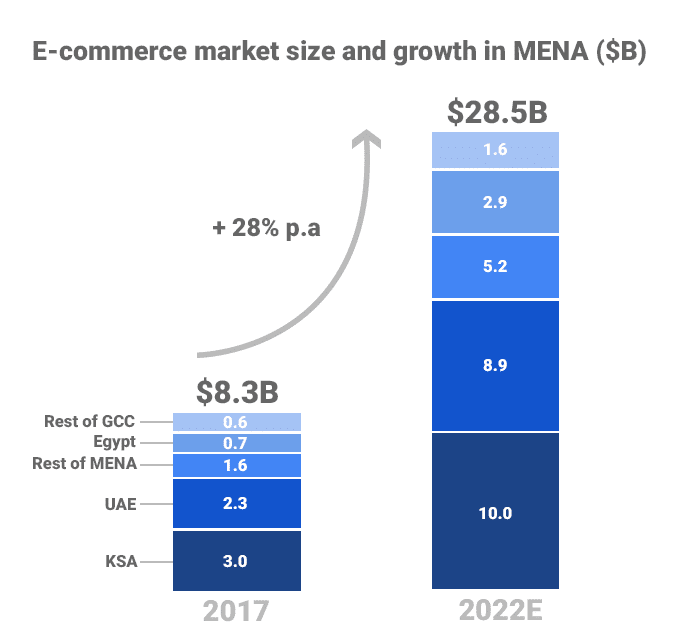
Some companies think that their customer base won’t be interested in buying online. But, at the end of the day, the more options you have for sales, the greater the chance you have of increasing business. Besides, recent statistics show that the ecommerce MENA market is worth around $22 billion. With 82% of businesses in Saudi Arabia and the UAE planning to buy online in the future, it’s clear the demand is high.

2. B2B ecommerce is expensive

This may have been true in the past, but with the advances that have taken place over the last few years, it is no longer the case. Various platforms allow you to create a business website at an affordable price. One of the key ways you can cut costs is by considering an RPA solution. While there is an initial upfront cost, in the long run it reduces the amount of repetitive tasks your employees need to do – saving you time and money.

Top 8 Silly B2B Ecommerce Myths That Are Holding You Back
Image Source

3. You need to appeal to everyone

Let’s say you’ve made the decision to create a new website that incorporates options for business customers. You might be tempted to try and appeal to theoretical new buyers out there. However, it’s far better to craft the website around customers you already have. By tailoring it to their needs, you will put them at ease and show them how much you value your continued relationship. Your website doesn’t need to appeal to everyone – just to your ideal customers and intended market.

4. Ecommerce is impersonal

For those who have really honed their communication skills over years of face-to-face interactions, selling online can be a daunting prospect. But ecommerce doesn’t need to be impersonal, or replace human interaction. You can still keep your phone lines open, and, using an automatic call distribution system, send the call to agents familiar with particular clients. 


By having a customer sign-in option, you can provide personalized options on the website too – from unique offers, to easy invoicing.

5. Just by having a website you’ll attract customers

Let’s say you’ve invested the time and money to create a fancy new website. What should you do next? There’s no use having ecommerce options if no one knows they are there. Promotion is key. Tell existing customers about your website during face-to-face sales and via your call centre. Invest in SEO, paid adverts and other marketing campaigns.

6. Social proofs are not required for B2B ecommerce

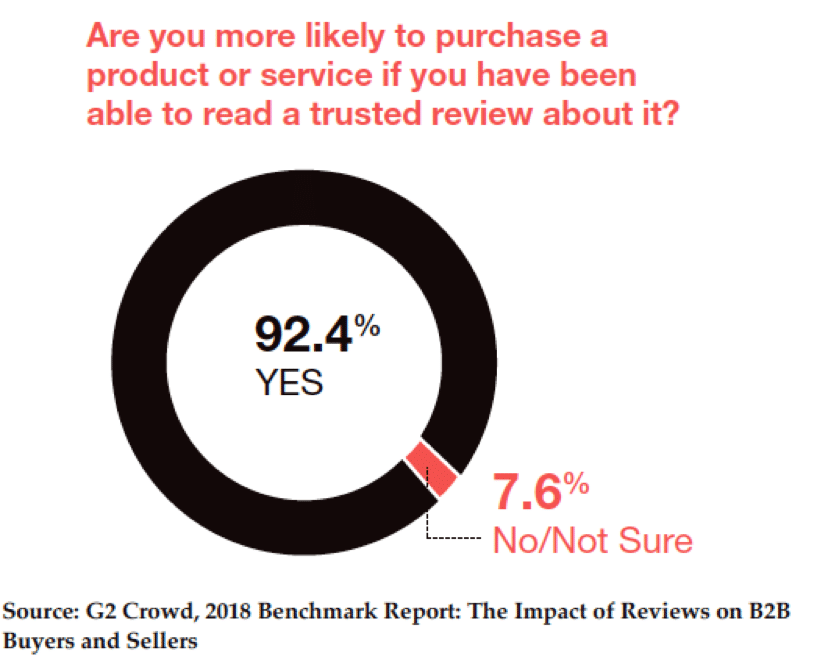
Reviews and testimonials are just as important for B2B sales as to B2C ones. From the very beginning of your new online journey, create a space for them on your website and encourage them on your social media platforms. Post-purchase emails will encourage customers to leave reviews – and you can use ecommerce automation solutions to send these automatically! Make sure to actively engage with any reviews you recieve, especially negative ones. Acting on feedback is a surefire way to make customers feel heard.


PayTabs

Image Source

7. Sales representatives aren’t needed in B2B ecommerce

Sales representatives will always be needed for the familiarity of human interactions they bring. They can continue to act as ambassadors for your company and their role in cross-selling and upselling will continue to be key. As they go about their daily work, sales representatives can promote your online store. You can retrain your team online by using video conference solutions for small business to make sure everyone’s on the same page.

8. Business customers don’t want to deal with technology

Your business buyers are likely to be familiar with online purchases. The leap from doing it for personal items to doing it for their business is not that big. It also has lots of advantages – technology can help repetitive tasks like order management become easier by having information about past orders saved on their online account. 


If you do find your existing customers struggling, you may find it’s worth building a core team of agents that can help walk customers through the process of ordering online. Additionally, consider chatbots or a self-service hub where they can quickly find answers to their questions. This can help turn even the most technophobic users into happy customers.

Conclusion

By setting aside these eight myths, you can focus on ways to make ecommerce work for you. The preceding guidelines will help you to modernise your business and keep your customers happy. With a little reflection and adaptation, you can make some important changes without losing sight of what makes your business so great in the first place. Remember: ecommerce doesn’t mean losing who you are. It just means expanding on it.


Jenna Bunnell
-Jenna Bunnell is the Senior Manager for Content Marketing at Dialpad, an AI-incorporated cloud-hosted unified communications system with automated answering services that provides valuable call details for business owners and sales representatives. She is driven and passionate about communicating a brand’s design sensibility and visualizing how content can be presented in creative and comprehensive ways. Here is her LinkedIn.

PayTabs
Privacy Overview

This website uses cookies so that we can provide you with the best user experience possible. Cookie information is stored in your browser and performs functions such as recognising you when you return to our website and helping our team to understand which sections of the website you find most interesting and useful.