×

British Business Group

Online Payment Gateway Solutions

Online Payment Gateway Solutions

Image address

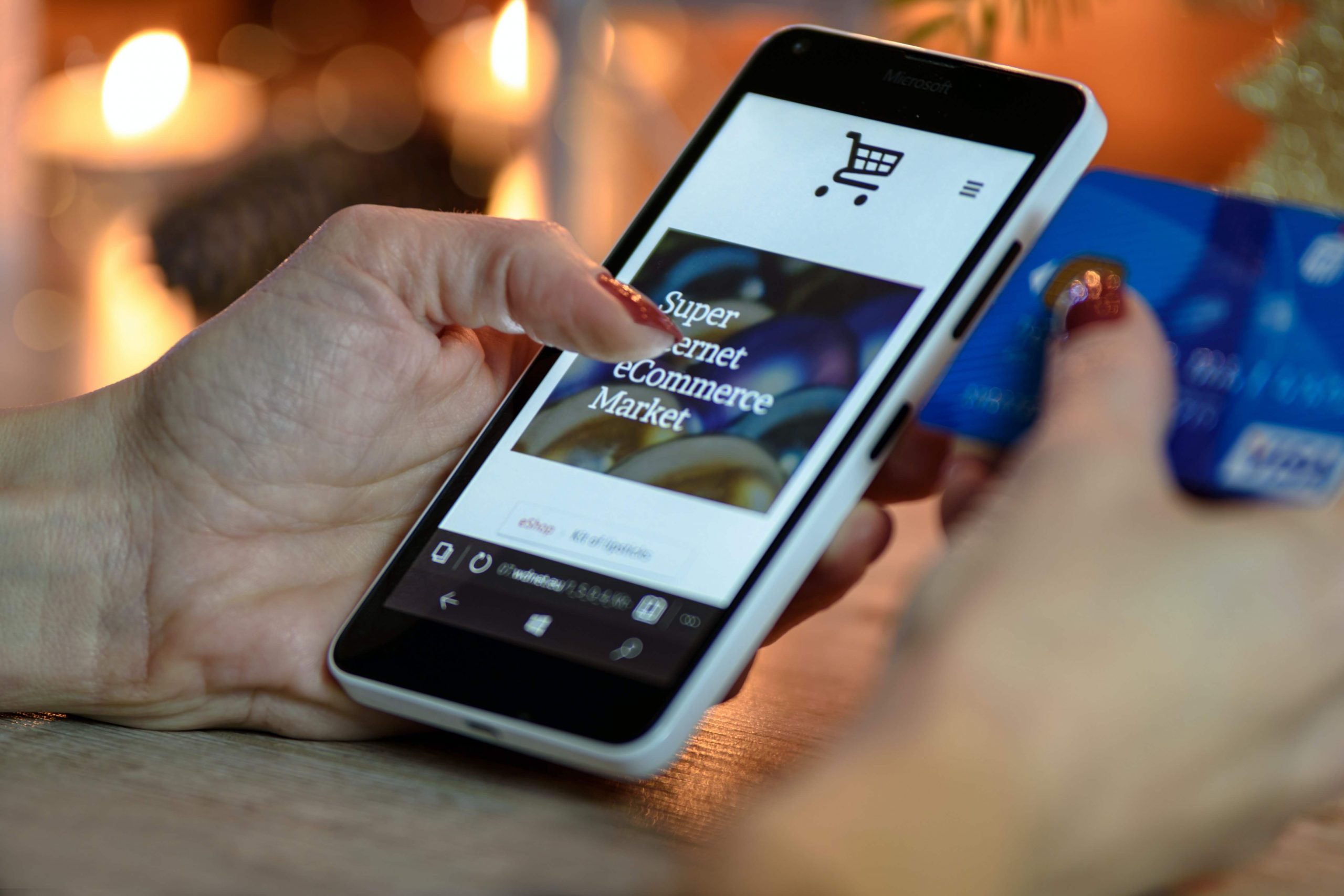
The trend of online payments is on the rise in UAE. Ever since the onset of the pandemic, the trend of paying with cash has declined by more than 75%, while contactless and digital payments have doubled (nearly 98%) since 2020. The eCommerce industry in UAE has also exploded in the past couple of years, making it essential for businesses to integrate a payment gateway that allows consumers to pay online quickly and safely.

Payment gateways are a technology service that enables users to transfer money from their accounts to different users or to a merchant’s account to pay for something. The transfer happens digitally without any contact and provides users with various options for completing the payment. One of the biggest benefits of using a payment gateway is its security and the ability to accept payments from customers 24*7. This allows businesses to keep operating beyond their regular working hours as well. UAE is quickly developing in this digital space, and if you’re a business wanting to get ahead of the curve by accepting online payments, then this blog is for you.

Some of the Best Payment Gateways in the UAE

These are some of the best payment gateways that you can use in the UAE

1.PayTabs

 PayTabs provides omnichannel payment solutions to customers and is an online payment gateway recognized by both Mastercard and Visa. It has a simple documentation and onboarding process for merchants and provides a stellar dashboard that gives essential insight to merchants on a single screen.

2.Amazon Payment Services

 Amazon Payment Services offers customers different payment options in more than 8 countries, including payment in instalments. It not only monitors business performance but offers industry insights services as well.

3.Stripe

 Stripe is a famous payment gateway that is used in more than 135 countries across the world. It is known for its innovative solutions in preventing fraud, managing finances, payment processing, and more.

4.Telr

Telr is a PCI DSS Level 1 certified robust payment gateway that protects consumers from fraudulent activities. It can be customized easily according to your business requirements and supports business scaling.

5.CCAvenue

CCAvenue is a popular payment gateway in UAE that processes multiple currencies and has smart, dynamic routing. It integrates easily with your business and is cost-effective, thanks to a no-cost setup.

Factors to Consider While Selecting a Payment Gateway in UAE

Here are a few things that you should keep in mind while selecting a suitable payment gateway for your business.

1.Does it support international payments?

UAE is a humdrum of international activity with tourists and business owners from around the world. The possibility of a customer wanting to pay in a foreign currency is relatively high; hence you should work with a payment gateway that has issues accepting international payments from users. Not only will this make payments easier for clients, but it will also fuel your expansion plans and help reach a wider audience. If you plan on keeping the business local and only accepting payments in locally acceptable currencies, this factor shouldn’t affect you much.

2.Does it provide various payment options to users?

In 2023, there are several ways in which a user can decide to pay for a commodity or a service. Look for a payment gateway that provides different payment methods to the users so that they can pay for anything in their preferred method. Conduct some research to determine which payment methods your target audience likes the most and whether the payment gateway you’ve selected supports that payment method.

3.Does it provide a seamless user experience?

A payment gateway enhances customer experience and makes it easier for them to pay digitally. Its primary focus is to provide a friendly and seamless user experience that aids them during payment and makes the entire process more accessible, not the other way around. Try testing the interface of payment gateways yourself to determine how the users will perceive it and whether it matches your brand identity. You wouldn’t want customers to leave your website mid-transaction because of a complex payment portal.

4.How robust is its security?

Security should be the topmost concern while selecting your payment gateway. It is responsible for hundreds of transactions every hour and stores sensitive customer data. Since the customers trust you with their payments and data, it becomes necessary to integrate a payment gateway with robust security features. In a survey done by Visa, it was found that nearly 39% of consumers in the UAE have been victims of attempted online fraud. In the same report, Visa also states that after the pandemic and the increase in contactless digital payments, it is unlikely that cash will reach its previous heights of being the most preferred mode of payment any time soon. With security being such a big concern for customers, it becomes imperative that you instill trust in your consumers by partnering with a secure payment gateway.

5.How smooth is the integration process?

Payment gateway solutions are not just supposed to make life easier for customers but also make life easier for you. Once you’ve decided which payment gateway to choose based on its security and benefits, the next step is to determine how smooth is the integration process for that payment gateway. Select the one that offers hassle-free integration and provides customization options.

6.Is it cost-effective?

While incorporating an online gateway payment for your eCommerce business has several benefits, it is also important to perform a cost analysis. If you’re a start-up or a small business, choosing a cost-effective payment gateway that doesn’t affect your revenue negatively becomes necessary. Determine how much it will cost to set up the gateway, its maintenance, transaction fees, and other hidden costs so that it helps manage your business even when sales are rough.

Payment gateways specified in this article are quite popular in the UAE and have seen an increase in adoption in the past couple of years. Every payment gateway comes with pros and cons, and comparing each will provide a comprehensive idea of which payment gateway checks the most boxes for your business. PayTabs is an efficient payment gateway that processes payments quickly and offers different plans like start-up, growth, and enterprise according to their budget and business stage.

Get Paid as a Freelancer

The freelancing industry is booming and thriving at a rapid pace. There are currently 70.4 million freelancers in the United States alone, and by 2028, they are set to become the majority workforce. In fact, the tech giant Google has more freelancers and contractual employees in its workforce than permanent ones. These statistics should encourage anyone to pursue a career in freelancing. The comfort of working from anywhere and at any time attracts many people.

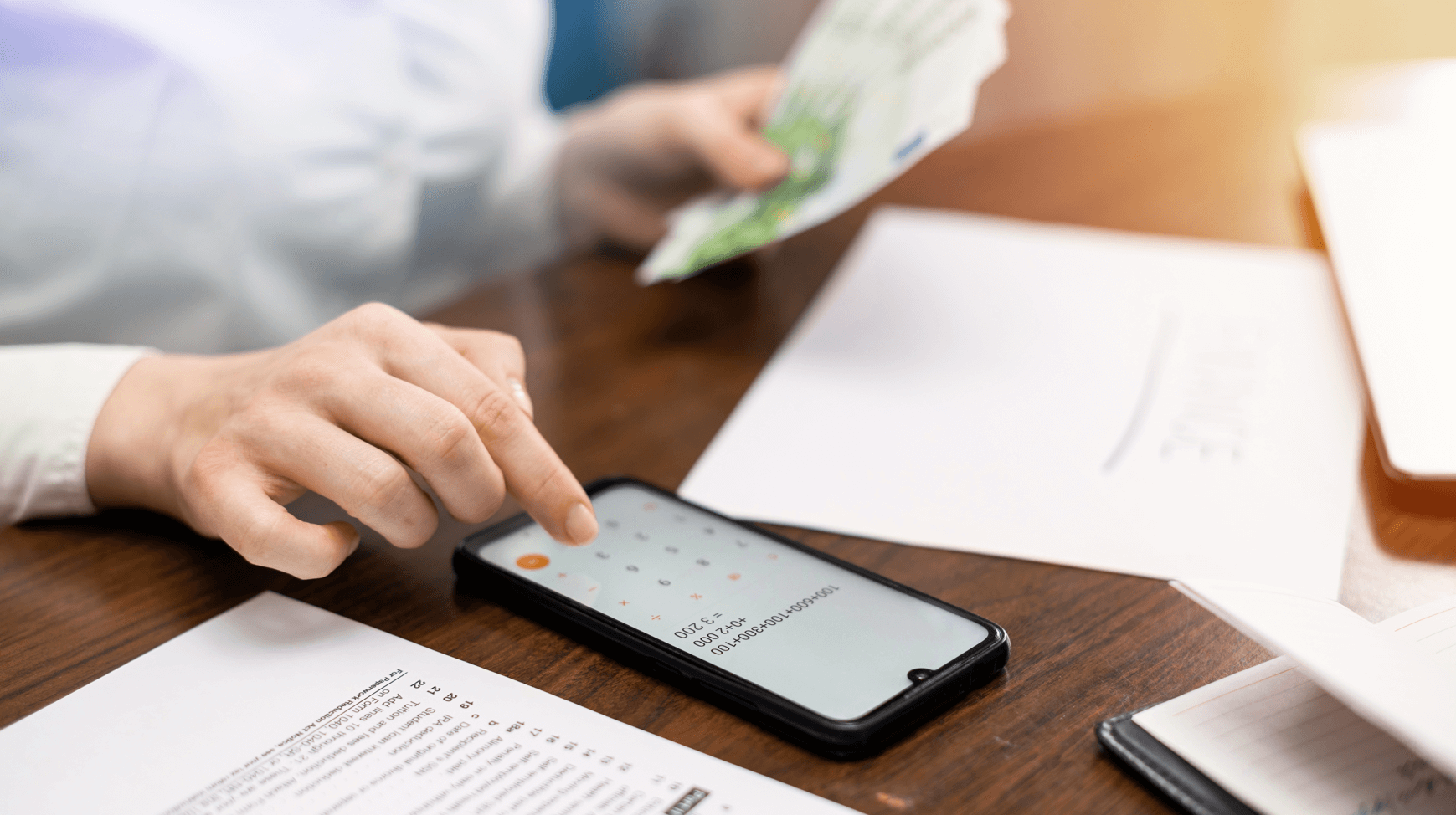
If you’re pondering on whether to become a freelancer, one of the first things you should figure out is accepting payments from clients for your work. There are several payment options for freelancers when it comes to how you can accept the payment, but not every option will work best for you.
Get Paid as a Freelancer

Image link

Different Payment Methods for Freelancers

· Checks

Checks have been around for a long time. It is one of the easiest ways to receive payments, whether you are a business owner or a freelancer. An advantage of using checks for payments is that you won’t have to pay any transaction or processing fee for depositing the check or withdrawing money from it. This makes checks the preferred payment choice for several freelancers.

While there are no fees for checks, it can take a couple of days for the money to be deposited completely and start reflecting in your account. This is one of the biggest downsides of using checks as a freelancer payment method. Another disadvantage of checks is that you either need to be physically present to accept the check from the client or wait several days until it shows up in your mail so that you can go and deposit it in your bank. People who want money to be credited as soon as possible should not rely on checks that much.

· Online

Online payment has increased tremendously in recent years. It also saw an exponential rise during the Covid pandemic, with people trying to restrict physical contact as much as possible. Online payment, through the help of payment gateways, has become a popular freelancer payment method worldwide. Anyone can download the app of their payment gateway, create an account, link it to their bank account, and start receiving or sending money instantaneously. It doesn’t take much hassle to set up, and payments sent by the client will reflect as soon as they are done, not two days later. This is extremely crucial for budding freelancers.

A downside of using online payment gateways for freelancers is that some payment gateways charge a fee to transfer funds from their digital wallet to your bank account or for services rendered by them. The total fee can depend on the amount received or the frequency of withdrawals. While a cut of 2% might seem insignificant at the moment, it can mean losing thousands of dollars throughout the year. Hence freelancers must choose the payment gateway best suited to their needs.

Also Read: A Basic Guide to 6 Different Payment Solutions For Freelancers

· Electronic Funds Transfer

Electronic funds transfer might feel similar to online transfer. It’s inexpensive, easy to do, and happens quickly, but the difference is, in an electronic funds transfer, or EFT, money is transferred from one bank account to another directly. There is no need for middleware like apps or payment gateway services.

However, EFTs can take a couple of days to get processed based on the amount and the banks involved. Further, banks can levy a processing fee for accommodating these transfer requests, which can be quite costly for both the client and the freelancer. Hence this is not a popular freelancer payment method; most freelancers prefer online transfers or even checks above EFTs.

Also Read: The Best Social Commerce Platform for Freelancers

· Cash

Cash might not be the first choice payment method for freelancers, but it is still a viable option. It has the obvious advantage of receiving money instantly, with no processing fees, waiting, or digital transactions. While most clients and freelancers are moving away from this payment option, cash still holds several advantages, especially if you’re working with a local client.

· Trade Outs

Trade outs are the modern barter system. There are clients who want to employ your services but don’t have the cash to give in return. If you are just starting as a freelancer and making a name for yourself is more important than getting paid, working with clients that can give you recognition can be a fruitful decision in the long run.

Further, most trade outs end up being win-win for both parties. The client receives the work they wanted while you end up getting exciting goodies, vouchers, hotel stays, vacation trips, or more.

How to Make Sure You’re Paid as a Freelancer

Now that you know the different ways of getting paid, let’s get into how you can ensure you get paid when it’s time. This plagues several freelancers, especially when working with clients with whom they have no contact except an email address. Here are some tips you can follow to ensure payment.

· Conduct a Background Check

In this virtual world, it is easy for anyone to portray themselves as something they’re not. It is not just limited to people, and companies can employ this as well to trick you into something that they are bigger than they actually are. Conducting a background check on your client becomes a necessity now more than a wise move. Ensure that the representative that contacted you actually works for the organization and that the company exists.

You should also look into past reviews for the company if it’s available. Check their social media pages to get an idea of how active they are, and perform a domain authority check as well. Background checks will give you insight into the client by letting you know if they are okay to work with and if there are any instances of freelancers or employees not getting paid by them.

· Sign a Contract

Building a relationship on verbal terms is great; it shows that you trust each other. However, that trust doesn’t always reflect in payments. A contract is a legally binding agreement that ensures that clients pay for your work within the stipulated timeline and the amount discussed in the contract. It is an added layer that removes any misunderstanding or ambiguity between you and the client.


Sure, drafting a contract can feel like a lot of work, and it might make you feel uneasy at the beginning, but it is there for the protection of both parties. A description of the work, prices decided for the project, timelines, payment schedules, ownership rights, and other terms in the contract will make life easier going forward.

· Upfront Billing

Upfront billing is quite common for offline contract works like construction, stitching, and more. It can also be applied to online freelancing, where you ask for a certain amount, which is usually 30-50%, upfront as advance and the rest of the amount after the work is completed and submitted. Paying upfront will ensure that the client is genuinely interested in your work and won’t leave you hanging after completing the job. It is also a great way to provide add-ons or discounts to clients, so they are encouraged to pay money upfront.

· Track Time for Billable Hours

Freelancers can work based on the number of assignments submitted or the time spent working on the project. Having a reliable time-tracking tool will be beneficial if you fall in the latter category. You can accurately log the time spent on different activities, take regular screenshots to show that you were working, and instill trust in the client about the time actually spent completing the project. Time tracking ensures that you don’t get paid less for the time and effort you put in and that the client has complete visibility of your work pattern.

· Use an Invoice for Software

If you’re aiming to become a professional freelancer, using specialized invoice software should be one of your top priorities. An invoice software can take care of several things, including sending invoices to the client along with the payment link, reminding them to complete the payment, and providing complete information about the work done, time taken, and the charges as well.

· Use an Effective Payment Gateway

As specified above, a payment gateway makes it easier for you to receive payments and makes the client comfortable as well. They can pay you easily via their preferred methods, and the payment gateway will ensure that this payment is credited to your bank account. Further, payment gateways allow you to accept payments from clients worldwide and in multiple currencies without any issues.

Also Read: 5 Reasons to Accept Multiple Types of Payments

Freelancing as a career is becoming extremely popular. You are the master of your work and time, and the more you can work, the more money you can earn. However, working with different clients, deciding on freelancer payment methods, raising invoices, and reminding them of payment can prevent you from taking on more projects and completing the existing ones on time. By following the best practices discussed above and using a robust payment gateway, you can ensure that you get paid fully and on time.

White Label Payment Gateway

White Label Payment Gateway

Image address

If you’re an e-commerce business accepting payments online, you should consider working with a white-label payment gateway provider. Personalization has become an important factor in attracting modern customers. Companies analyze large amounts of data to get customer insights in order to create a personalized experience for them. This entails sending thoughtful emails, offering special discounts, using cookies for suggestive ads, and more.

However, one thing that most companies often overlook is their payment gateways. While their websites and apps are in line with the brand’s overall theme, their payment portal page looks exactly like their competitors. Maintaining your brand identity should be a proactive process followed from first contact to final payment. And this is where a white-label payment gateway becomes useful.

What does a White Label Payment Gateway Denote?

A white-label payment gateway is basically a customizable payment gateway that allows you to place your brand’s logo and image on the payment gateway page. This personalized payment solution contains all the features that a traditional payment gateway provides. It takes it a step further by incorporating your business identity until the end of the payment funnel.

Who should use a White-Label Payment Gateway?

With the increase in online sales and e-commerce businesses, the need to put a personalized touch on the customer’s journey has become vital. The relationship between sellers and consumers is dwindling because of the presence of multiple players in any industry. This has increased the competition, and using a white-label online payment gateway will give you the edge your business needs.

Contrary to popular belief, white-label payment gateways are not just limited to big brands with more budget or startups with the “unicorn” tag. A personalized payment gateway will draw attention to your brand and its identity whenever a customer completes a payment. Be it landing on your website, browsing through different products, or paying for them, consumers will be exposed to your brand’s logo and theme throughout the entire process. Now the next time they want to buy the same product or something similar, your name will pop first in their minds. This is just one of the benefits of using a white-label payment gateway for your business.

Top Benefits of a White-Label Payment Gateway

Businesses can use a white-label payment gateway and customize its look and feel rather than spending tons of money developing their own payment gateway, testing it rigorously, and launching it once everything falls into place. Here are some more advantages of using a white-label payment gateway.

  • Improve your brand’s visibility

In addition to the website, social media pages, apps, and other channels, a customized integrated payment gateway solution also helps improve your brand’s visibility to consumers. Customers tend to spend a significant amount of time on the payment page trying to figure out which method to use or entering the card details. This makes a white-label payment gateway that contains your brand’s logo, color theme, and other eccentricities a great way to ensure top-of-mind recall. Customers will subconsciously think about your brand when they want to buy the same product or something else listed on your website. A white-label payment gateway can be a great option if you’re running a business with several verticals, each of which complements the other.

  • Increase customer loyalty

Redirecting to a third-party payment gateway raises questions and suspicions for several users when customers are trying to make online payments. This is particularly applicable to customers who have come to your website for the first time and need more clarification about the site’s credibility. This could be one of the most significant reasons you face high cart abandonment rates.

With the help of white-label payment gateways, you can instill trust in such users by showcasing your brand’s logo and clearing any doubts customers may have about paying online. Now that the customers know it’s the same merchant they are paying, they tend to feel more confident and reassured. It helps in building loyalty among customers as well.

  • Effective risk and fraud management

One of the biggest benefits of choosing a white-label payment gateway is the level of security it provides to its clients. With anti-fraud and risk management mechanisms in place, you can ensure that your customer’s personal and payment data remains safe and away from the reach of any unethical hacker or cyber-attacks. If not in-house, some payment providers can also integrate third-party fraud detection tools to enhance security.

  • PCI-DSS Compliant

Payment Card Industry Data Security Standard, or PCI-DSS compliance, is a set of policies necessary for all card brands to follow. These policies have been created to safeguard card transactions across platforms and avert misuse of any personal information related to cardholders.

For a business owner, it is imperative to understand whose responsibility it is to ensure PCI-DSS compliance, yours or the payment gateway provider.

  • Multiple payment options

A majority of white-label payment gateway providers have direct alliances with different acquiring banks and support multiple payment methods as well. Customers in 2023 will have several payment options at their disposal, and you wouldn’t want to let go of a potential customer at the payment stage just because their preferred method was unavailable. The need for online payments is increasing, and incorporating a payment gateway that allows users to pay via any method they want is not just an exception but has become an expectation.

Conclusion

Now that you know what a white-label payment gateway is and it can benefit your organization, you must be wondering which vendor to choose. A personalized payment gateway will not only improve your brand’s reputation but will also help maintain a high ROI. Hence, choosing the correct payment gateway provider can be crucial for the success of your business.

If you’re a merchant based in the UAE or the Middle East, PayTabs can be your next payment gateway provider. We are an innovative payment processing and fraud prevention company that aims to help their clients increase revenue and profits with the help of advanced technologies. Integrating our payment gateway into your website or app is straightforward and allows you to start scaling your e-commerce business instantly. With our merchant dashboard, you can send, receive, or share invoices through different media channels and offer multiple payment options to your customers.

PayTabs Supports PayPal

PayTabs Supports PayPal
Are you an eCommerce business owner with your website and shopping portal? Are you a freelancer trying to make money doing something you love? Or are you in a financial situation looking to upgrade your payment solution? No matter what business you belong to, PayTabs has something to offer everyone.

PayTabs is one of the leading payment solutions companies in the UAE and its neighboring countries. We offer various payment methods so that payments don’t come in your way of building better relationships with your customers. By integrating PayTabs into your business, you provide your customer with the most appropriate mix of payment options. This empowers your customer to transact with you in his/her preferred method, enhancing convenience and improving the overall experience.

Customers can pay via debit or credit cards, be it Visa, Mastercard, American Express, JCB, UnionPay, or others. Along with cards, PayTabs accepts payments via digital wallets like Apple Pay and Samsung Pay as well. PayTabs has recently partnered with PayPal as well to add to offer more payment options. With the option to pay via one of the most popular and widely used digital wallets in the world available during checkout, more alternatives can be offered to your customers and instill a sense of trust and security.

Also Read: Digital Payments is Safer during Emergency and Crisis

What is PayPal ?

PayPal is the most renowned payment gateway in the world for online businesses. Online businesses and merchants can accept payments for their products or services via debit/credit card or mobile wallet. It also provides additional benefits for customer retention, like timely offers, discounts, and more. Its economical transaction charges also make it a profitable option for accepting large orders and consignments. Big enterprises like Amazon and WooCommerce also accept payments through PayPal, making it possible for them to cater to customers worldwide.

Also Read: 4 Ways to Prevent Credit Card Fraud at Your Business

Along with different payment options, PayPal also has exceptional security features in place. Pair it with the security guideline compliances followed by PayTabs, and you can be sure that every translation will be completely secure and free from online hackers and fraudulent activities.

Here are some of the features of PayPal that will make you excited about this collaboration:

  • Shipping

If a customer is unsure about the shipping charges, PayPal provides an option to calculate the taxes and total shipping charges just by entering the shipping address of the location.

  • Easy Integration

PayPal is used extensively by merchants and freelancers all over the world. It integrates easily with your website and other applications and enables you to accept secure payments without any hassle.

Also Read: The Best Social Commerce Platform for Freelancers

  • Phishing Protection

With years of experience and working with several companies, PayPal has developed trustworthy security features that automatically detect any phishing or anomalous activity and protect business owners.

  • Buyer Protection

Confidentiality is something that modern buyers take very seriously. If a buyer is skeptical of sharing his/her personal information online for fear of the details getting misused or receiving frequent calls from telemarketers, PayPal takes care of this situation by keeping the payment as well as purchase details of the customer a secret.

  • Support for Online and Offline Businesses

It doesn’t matter if you accept payments through a website or in your store; PayPal supports both.

PayTabs
Privacy Overview

This website uses cookies so that we can provide you with the best user experience possible. Cookie information is stored in your browser and performs functions such as recognising you when you return to our website and helping our team to understand which sections of the website you find most interesting and useful.