
×

6 Money Saving Tips for Your Small Business

Tag: tips and tricks

6 Money Saving Tips for Your Small Business

6 Money Saving Tips for Your Small Business

If you are the owner of a small business, chances are that you are always searching for creative ways to save money and keep your business afloat. Even if your business is doing well, it always makes sense to spend frugally. Whether you are looking to cut costs or improve profitability of your business, here are some creative ways that make the entire idea of saving money painless and easy!

  1. Avoid having a full-time office space

Thanks to the advancement in technology, businesses today can be run from any location. Barring a few sectors, try to rent as minimal office space as you can.

Offer people work from home options and get only the core team to sit at office. This way you can cut down on not only office rent but also small overheads like paper, electricity, food and gadget expenses etc.

  1. Try inbound marketing rather than keeping a big fat sales team

Try attracting your customer online by implementing a good content marketing strategy. Focus on your SEO strategy, build on social media and invest in search engine marketing. Also don’t ignore your company blog, since that has a lot of potential in getting you traffic. This might work better than outbound sales, especially if you are trying to sell a product or service online.

  1. Consider used furniture

If having an office is the only option you have, consider buying equipment and furniture that is pre-used. You can find office chairs and screen at nearly half the price from most second hand or refurbished goods store. Delay gratification. What you offer to your customers is much more important than a fancy looking office.

  1. Outsource as much as possible

Full time employees do not come cheap these days. Add to it the additional benefits like leaves, medical expenses and provident funds, you might just blow up all your budget. So, if possible, hire independent and reliable freelancers to reduce cost. Needless to say, by hiring a freelancer you will also be able to save a lot since they are already an expert in their field while a full time employee would need to be trained.

  1. Do not shy away from negotiating

As a small business owner, you should definitely avoid paying retail prices as often as possible. So, try to negotiate with vendors, consider bulk buying to save on shipping charges or tie up with wholesalers. Figure out ways to save money on your buying charges. You can also barter with some companies and save further. For example, you can purchase raw material for your bakery at a lesser price and in exchange offer to provide free cake on the dealer’s celebration occasions.

  1. Hire a good tax accountant

No one likes paying taxes. So it makes sense to hire a good accountant who can help in claiming certain tax rebates and allowances that you might not be aware of.

To be honest, when it comes to saving money, there are numerous things you can try. Every business comes with its own needs and priorities, so you are the best judge of what works best for you. Having said that, always remember, if it saves money, it is worth it!

If you are looking for a reliable way to accept online payments and have a competitive advantage, you can visit www.PayTabs.com.
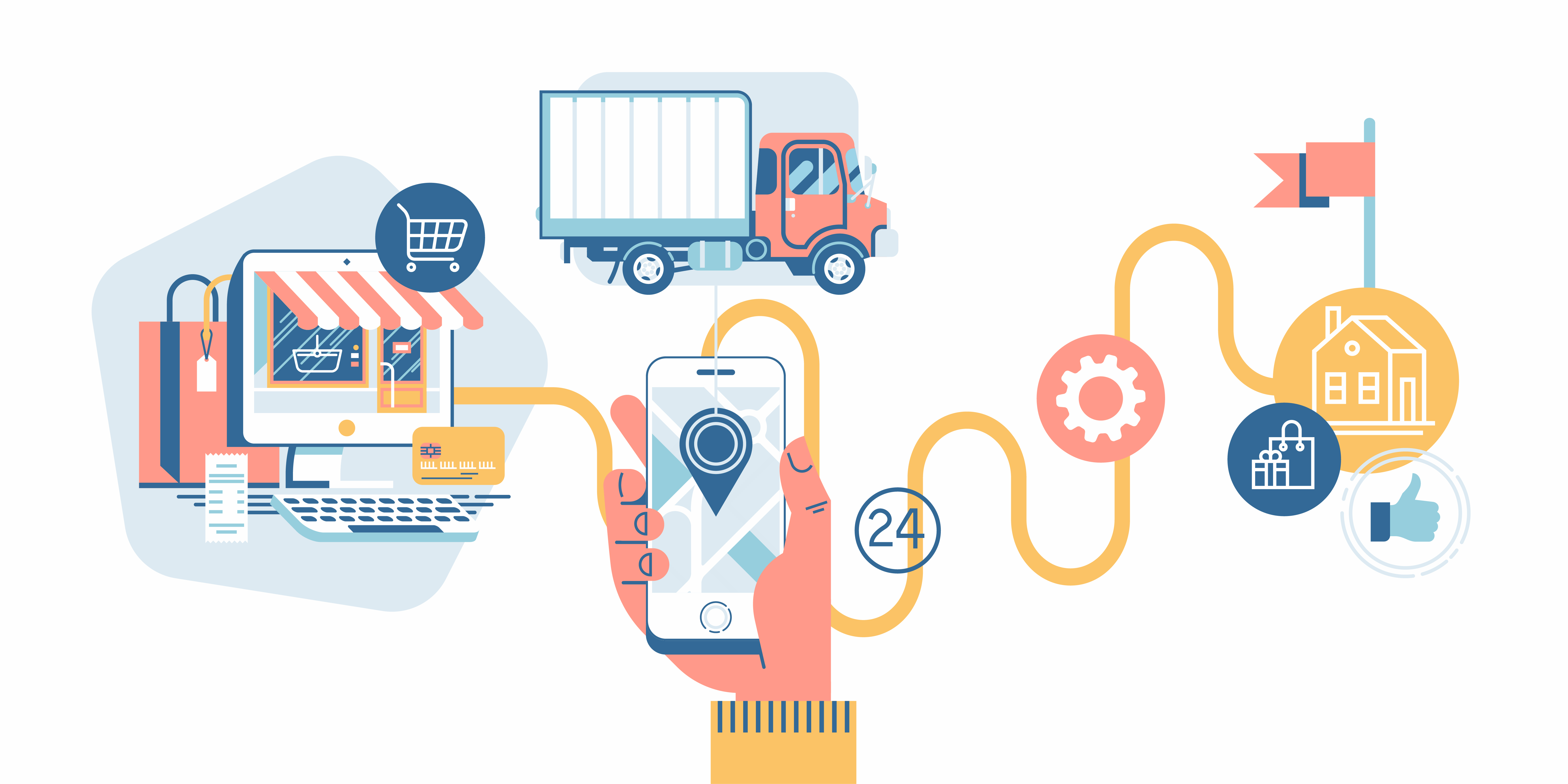

Four Pillars of a Solid eCommerce Customer Experience

Four Pillars of a Solid eCommerce Customer Experience

Is there a thing like loyalty when it comes to online shopping? In a world driven by discounts, sales, comparison shopping and endless scrolling, it is difficult to grab customer attention. The same sellers present their wares across multiple sites. So people move to check each site to see where the particular product is available at the best discount. In such a scenario, does customer experience really matter?

It matters more than you think. Imagine this – discount can’t be a competing factor because everyone is offering a lot of it. What matters then is customer experience. In fact, customer experience is considered to be a product in its own right.

In order to decipher what type of experience your customers are looking for, it is important to understand their journey and understand what they need at each touch point. Most companies try to concentrate on the customer life cycle which is a complex task, especially with omni-channel marketing. Instead, experts now suggest keeping focus on one customer journey at a time.

Here are the four pillars of a customer experience journey

  1. Make it simple to use

Buying from an eCommerce website should not feel like rocket science. You need to make it intuitive for customers to browse through your product range and get to a sale point. Most eCommerce shops follow a set pattern from discovery to the sales funnel to after sales service.

But a new app on the horizon – Elanic, is doing things differently. It has included an intuitive chat feature that allows buyers and sellers to interact before closing the sale. The chat is pre-programmed with common questions from the buyer like quality, size, condition of the product and more. This strategy is also followed by sites like OLX which sells seconds. In addition to the public comment feature, the site also allows customers to make an offer. The whole process is intuitive and automated which makes it easy to handle. Many sellers vouch that this feature has helped them close sales effectively.

  1. Make it personal

This strategy goes beyond knowing your customer’s name and saying ‘Hey xyz’ in your email. According to Campaign Monitor, 96% visitors to your website aren’t ready to buy. But they’ve shown some basic interest in what you have to offer and may probably come back if you communicate properly. Use retargeting to encourage users to pick up from where they left off. And don’t forget to inform them when the products they want are on sale.

  1. Stop them from abandoning cart

In 2016, as much as 69% of carts were abandoned! Can you imagine the billions lost because eCommerce portals did not work hard enough to push the sale? Constantly use A/B experiments to test what makes users stick or leave your website. In case they still abandon cart, make sure you send them a customized email reminder to pull them back

  1. Use the right payment gateway

Other than being secure, the right payment gateway will allow customers to pay in their own currency, using the wallet they prefer without making them work too hard. And of course, it should aid express checkout.

Conclusion: Don’t forget to constantly ask your customers for feedback and also incentivize them for providing it. There is no better way to enhance your customer experience than listening to them carefully – after all they are the heroes and champions for your brand.

PayTabs
Privacy Overview

This website uses cookies so that we can provide you with the best user experience possible. Cookie information is stored in your browser and performs functions such as recognising you when you return to our website and helping our team to understand which sections of the website you find most interesting and useful.