×

What is Payment Orchestration, and Why is It Essential for Any Business?

What is Payment Orchestration

What is Payment Orchestration

Introduction

In consonance with the ever-evolving demands of the burgeoning digital marketplaces in the UAE and the greater Middle Eastern geographies, businesses are continually seeking more efficient and secure payment processing methods.

This is where the concept of payment orchestration comes into play. It has emerged as a crucial shot in the arm for forward-thinking organizations, especially ecommerce players. The orchestration process simplifies how companies manage their financial transactions.

In this blog post, we will discuss how payment orchestration platforms have become integral to the processes and stand at the forefront of providing seamless payment solutions.

The Basics of Payment Orchestration

First, let us explore the fundamentals of the orchestration processes.

What is Payment Orchestration?

Payment orchestration stands for the strategic coordination of all components related to payment processing within an organization, including payment service providers, banks, apps, etc.

What is a Payment Orchestration Platform?

In this context, we also have to understand what is a payment orchestration platform. The answer is that businesses use a centralized payment orchestration platform (POP) to manage, streamline, and optimize all the payment transactions originating from multiple channels and payment methods.

Key Components and Functionality

Here’s a detailed look at the fundamental elements:

• Centralized Dashboard
A centralized dashboard allows businesses to monitor transactions, manage payment service providers (PSPs), and view real-time analytics and reporting.

• Payment Gateway Integrations
Payment orchestration involves integrating multiple payment gateways, enabling businesses to connect with various payment methods and processors through a single interface.

• Routing Engine
It directs transactions to the most appropriate payment processor based on predefined rules.

• Payment Processing
The POP also handles the authorization and settlement of transactions. This process must be seamless and secure, ensuring funds are correctly transferred.

• Fraud Detection and Security Layers
The system includes fraud detection algorithms and security protocols to protect against unauthorized transactions and ensure compliance with industry standards like PCI DSS.

• Multi-Currency and Cross-Border Transactions
A payment orchestration platform should be able to handle transactions in multiple currencies and across different countries, which is essential for global businesses.

How Payment Orchestration Works?

Understanding what is payment orchestration is to recognize that this system meticulously directs each payment to the ideal payment solution, taking into account variables such as the shopper’s location and preferred method.

Payment orchestration employs intelligent routing to ensure each transaction is processed through the optimal channel. This not only maximizes transaction success rates but also enhances the efficiency of the payment process.

In case an obstacle emerges, such as a gateway experiencing downtime, the orchestration platform immediately reroutes the transaction to an alternative processor. This agility is key to maintaining a smooth payment experience and avoiding transaction abandonment.

Furthermore, payment orchestration platforms leverage transaction data to improve their routing logic constantly. This results in a system that becomes progressively more adept at foreseeing the most effective transaction pathways.

Benefits of Best Payment Orchestration Platforms

Payment orchestration brings a plethora of benefits to the table, which can be particularly transformative. By embracing the best payment orchestration platforms, companies are enabling a strategic advantage that can propel their growth.

Here are some of the key advantages:

• Improved Payment Processing Efficiency
By leveraging the capabilities of top-tier payment orchestration platforms, businesses can unify multiple payment processes and gateways into a cohesive operation. This integration simplifies the payment landscape, allowing merchants to reduce the time and resources typically required to handle separate systems.

• Enhanced Customer Experience
Customer experience is paramount, and payment friction can be a significant roadblock. A payment orchestration provider plays a critical role in mitigating this. Businesses can significantly improve customer satisfaction by quick checkout processes, offering a variety of payment options, and providing a seamless payment experience irrespective of the customer’s device or location.

• Cost Savings and Optimization
One of the more tangible benefits of engaging with payment orchestration companies lies in cost savings. Managing multiple contracts, integrations, and transaction fees with various payment gateways can be financially burdensome. Payment orchestration simplifies this by consolidating operations and often reducing transaction decline rates.

• Payment Orchestration vs Payment Gateway: Cross-Border Transactions
When contrasting payment orchestration vs payment gateway solutions, the former’s superior handling of cross-border transactions cannot be overstated. Payment orchestration platforms provide businesses with the tools to handle different currencies, comply with regional payment regulations, and offer international customers the most suitable payment options.

Challenges in Payment Processing

Despite its many benefits, there are some drawbacks to the orchestration system:

• Complexity of Payment Ecosystem
With the proliferation of online transactions, there’s a growing diversity in payment methods, including traditional credit and debit cards, digital wallets, and bank transfers.

• Security and Compliance Concerns
Payment orchestration platforms must prioritize security and compliance, especially in regions with stringent regulations like the UAE and the Middle East. Businesses must comply with various financial regulations that vary by country and region.

• Scalability Issues
A payment orchestration provider must offer solutions that scale with the business. When scalability is not adequately addressed, enterprises may encounter transaction bottlenecks, slow processing times, or even system outages during peak times.

Selecting a Payment Orchestration Solution

Here are some essential aspects you must consider before choosing an ideal solution:

Factors to Consider when Choosing a Payment Orchestration Provider

When selecting a payment orchestration solution that aligns with your business needs, besides scalability, cost parameters, security, and compliance, several other critical factors come into play, such as the following:

  • Integration Capabilities: Assess the ease with which the platform integrates with your existing systems. A seamless integration means less disruption to your operations and a faster transition.
  • Payment Method Coverage: Ensure the platform supports a wide range of payment methods, including those popular in your specific market, to cater to all customer preferences.
  • User Experience: Consider the impact on the end-user experience. The solution should facilitate a smooth and quick payment process for your customers.

By considering these factors carefully, you can choose a payment orchestration provider like PayTabs, which offers a comprehensive solution tailored to the specific needs of your business.

Case Studies of Successful Implementation

PayTabs is a prominent payment solutions provider in the Middle East, renowned for empowering small and medium enterprises (SMEs) with streamlined and secure online payment processes.

The platform has recently partnered with Invoice Bazaar. This strategic alliance aims to bolster working capital solutions for businesses grappling with the economic challenges posed by the COVID-19 pandemic.

Through this collaboration, PayTabs’ clientele in the UAE can enhance their financial liquidity by swiftly monetizing their receivables with Invoice Bazaar’s support, ensuring their operations remain robust during these turbulent times.

Moreover, this partnership underscores PayTabs’ commitment to innovative financial solutions and continued expansion, serving businesses across various industries in multiple currencies.

Popular Payment Orchestration Providers

Some of the most popular payment orchestration providers include PayTabs, Payoneer, Stripe, Telr, etc. Before choosing the most suitable option, rigorously check their compatibility with your business, the ease of integration and the diversity of use cases, among other aspects.

Integration and Implementation

Here’s how businesses must proceed with integration and implementation.

Steps to Integrate a Payment Orchestration Provider

  1. Requirement Analysis: Begin by assessing your business’s specific payment needs and the challenges you face with your current payment systems. This will help you identify the key features you need in a payment orchestration layer.
  2. Payment Orchestration Provider Selection: Choose a payment orchestration provider that best fits your requirement analysis.
  3. System Integration Planning: Create a detailed integration plan that includes timelines, milestones, and allocating resources and personnel.
  4. Technical Setup: Install the necessary software or platforms and set up the infrastructure required by the payment orchestration system.
  5. Testing Phase: Conduct thorough testing to ensure the payment orchestration system integrates well with your existing setup.
  6. Staff Training: Train your staff on using the new system, focusing on transaction processing, troubleshooting, and understanding the new workflows.
  7. Go-Live and Monitoring: Continuously monitor the system to ensure it runs smoothly and quickly address any issues.
  8. Feedback and Optimization: Collect feedback from users, analyze system performance to identify areas for improvement, and work with the provider to optimize the system accordingly.

Best Practices for Implementation

Adopting best practices can facilitate a smooth transition, such as —

• Engage with Expert payment orchestration companies
Partner with established payment orchestration companies like PayTabs, which have a track record of successful integrations and can provide insights tailored to your business’s needs.

• Comprehensive Planning
Before implementation, it’s vital to have a detailed plan that thoroughly assesses your current payment infrastructure.

• Staff Training
Ensuring your team is well-versed with the new system is essential.

• Testing and Validation
Implement in phases and rigorously test the system before full-scale deployment.

Common Pitfalls to Avoid in the Payment Orchestration Layer

Some common pitfalls in this process include:

  • Overlooking the complexities of integration
  • Selecting providers that are not properly vetted by the industry
  • Choosing a payment orchestration provider that hardly aligns with the business’s needs

Real-World Applications

Here are some actual applications of the orchestration systems.

• E-commerce and Retail
Payment orchestration streamlines online transactions, making it a boon for e-commerce and retail sectors that demand diverse payment options and rapid transaction processing.

• SaaS and Subscription-Based Services
Payment orchestration platforms offer SaaS and subscription-based services, the tools needed for managing recurring payments and multiple subscription models.

• Travel and Hospitality
For travel and hospitality businesses, payment orchestration can help them efficiently cater to international customers with varied payment preferences.

• B2B and Cross-Industry Applications
B2B and other industries can utilize orchestration to manage complex payment processes and reconcile transactions across different systems.

Conclusion

To conclude, payment orchestration is a critical component for any business, especially in the tech-savvy regions of the UAE and Middle East. PayTabs, as a leading payment orchestration provider, exemplifies the fusion of innovation and efficiency, helping businesses easily navigate the intricate payment processing landscape. To learn more, contact us today!

FAQs

  1. 1. How does payment orchestration work?

Payment orchestration works through a centralized system connecting multiple payment gateways and processors, routing transactions based on the best outcome for cost, speed, and success rate.

  1. 2. What is an example of payment orchestration?

An example of payment orchestration would be a multinational e-commerce platform that uses PayTabs to manage transactions across various currencies and payment methods, providing a seamless user experience.

  1. 3. What are payment orchestrators responsible for?

Payment orchestrators are responsible for seamlessly integrating various payment processing services, ensuring transactions are secure, compliant, and optimized for both the business and its customers.

What is Payment Orchestration

What is Payment Orchestration

A recent news release from the Ministry of Economy – UAE clearly indicates the country’s superiority in attracting venture capital investments in the Middle East and Africa region. In fact, startups here managed to draw capital worth AED 4.3 billion last year. So, the time is undoubtedly right to hop on the bandwagon and start the business you have always dreamed of or take your existing one to new heights. However, catering to the modern customer requires you to embrace the digital world and make the shopping experience completely smooth and hassle-free. Consider payment gateway providers in UAE to rise to the occasion.

A payment gateway is essentially instrumental in making it easy for customers to purchase anything online and pay securely via bank transfers, debit/credit cards, or digital wallets. It takes seconds for a gateway to process a payment from the moment a customer places an order and submits card information to the instant the card-issuing bank approves the request and the order is fulfilled. The best online payment solutions for UAE businesses ensure seamless data encryption and protect the sensitive information of both parties involved. Are you ready to learn more about the benefits of adopting a payment gateway and how you can pick the right one? Read on to learn more.

Why Embracing a Payment Gateway is the Right Move

If you are looking to welcome brand new opportunities as a seller while easing the lives of customers, there are plenty of online payment solutions for UAE businesses that can come in handy. This is also what you need in a dynamic ecommerce landscape where more and more people are using digital devices to buy everything from clothes and household appliances to groceries and cosmetics. When you adopt a payment gateway, you can expect the following benefits —

  1. Security Gets Better: When you keep all information associated with digital transactions safe, your repute as a seller shoots up. And payment gateway providers in UAE understand that. With a reliable gateway, neither you nor buyers have to stress about fraudsters and cyberattacks. Top providers in the UAE make use of sophisticated encryption techniques and robust protocols to prevent data breaches and spot suspicious activities on time.
  2. Customer Experience Improves: To stay ahead of the competition, you need to earn your customer’s trust and confidence and forge a connection fast. And providing them with a choice in payment modes is a great way to do that. Shoppers will appreciate the flexibility, and the checkout process will become more efficient, faster, and smoother.
  3. Revenue Grows by Leaps: When you use a payment gateway, you attract all kinds of customers, whether they prefer using Internet banking, cards, or e-wallets. You can reach out to more demographics and locations, which will translate to fewer cart abandonments, more repeat purchases, and higher sales. In other words, your revenue will increase sharply. Since you will also receive timely payments from any part of the world, your business will get a chance to grow and expand quickly.
  4. Customization Brings in More Profits: When you go for popular payment gateway providers, such as PayTabs, you get a solution that aligns with your startup’s distinct needs. The provider can study your branding, product, customer personas, and other parameters before suggesting a plan that is cost-effective, easy to adopt, learn, and use. Besides optimizing the cost of processing payments, you will spend less time on repetitive, manual tasks.

Questions to Ask Before Picking a Payment Gateway in UAE

Choosing the ideal option from multiple online payment solutions for UAE businesses can be a tad challenging. So, before you get started, ask the provider these questions:

• How simple is the usage?

Choose a payment gateway that offers a unified and comprehensive dashboard. This will help you monitor it across multiple devices. Apart from keeping all payment methods in one place, you will be able to peruse all transactions and access crucial financial reports quickly.

• Is it easy to integrate?

You may have a website, mobile app, or both. In any case, pick a gateway that is easy to integrate with all platforms. This will leave you ample time and energy to focus on major business areas. The onboarding should be simple, and the provider should offer the right plugins, APIs (Application Programming Interface), and SDKs (Software Development Kit).

• What is the settlement speed?

As a startup, you need your bank account to get credited at the earliest so you can always maintain a positive cash flow. So, pick a gateway with quick settlement speed and decent uptime. Check if the gateway allows the use of automation tools and is scalable enough.

• What is the limit on transactions?

Consider your business needs and transaction sizes before selecting a payment gateway. Make sure the maximum transaction limit offered doesn’t force you to lose customers or lucrative sales. Also, transactions involve the payments you make to employees and vendors. So, the system should be up for the job.

• Do you support multiple currencies?

Leading payment gateway providers in UAE, like PayTabs, let you accept payments in multiple currencies from around the world. You also get the real-time currency conversion feature, which makes the process seamless and helps you grow your business beyond the Emirates.

• Can you handle recurrent billing?

If you run a gym, club, or co-working space, you might need an efficient system that can handle recurring billing, be it on a weekly, monthly, or quarterly basis. In such a scenario, the payment gateway should come with the ability to streamline subscriptions, encourage repeat transactions, and make the customer’s experience glitch-free.

• What are your security features?

Your payment gateway should comply with PCI DSS or Payment Card Industry Data Security Standard. They might use advanced encryption standards and ISO certifications as well. You can enquire about the provider’s past record in preventing and handling fraud situations. Ask if they use smart technologies like machine learning and how they block transactions which appear to be high-risk.

• Do you provide analytical insights?

As a startup, it will help you to know how your business is doing periodically so that you can identify and address gaps while strengthening the areas in which you are already doing well. So, go for a payment gateway with built-in analytics to help you track your financial performance and determine ways to improve sales and customer experience.

• How robust is your customer service?

Going for a payment gateway provider with a round-the-clock customer support team is wise since technical issues can arise anytime. They should be easy to reach via multiple channels, including email, call, text, and live chat. Ask about the resolution turnaround time for both small and major problems.

• Is it cost-effective for my business?

While pricing should not be the only criterion when it comes to choosing from the various payment gateway providers in UAE, make sure you are clear about the different fees they charge for setting up the gateway and processing transactions, as well as monthly charges. Keep your transaction value and volume in mind while deciding on a provider that suits your pocket.

Conclusion

By now, you must be in a better position to pick from the many online payment Gateways for UAE businesses. Remember to research well and compare multiple providers before taking a call. After you list down a few, talk to each of them, if possible, and request demos and quotes. Remember to go through reviews and testimonials to assess a provider’s professionalism, performance, and quality. Trusted payment gateway providers like PayTabs can not only improve operational efficiency but also help you attain multiple milestones, attract more traffic, drive more conversions, and help you scale your business without worry.

Installment Payments for E-Commerce Sectors

Installment Payments for E-Commerce SectorsA recent Deloitte report shows that the e-commerce market size in the Middle East is around 39 billion USD and is expected to grow to 50 billion USD by 2025. And it doesn’t come as a surprise.
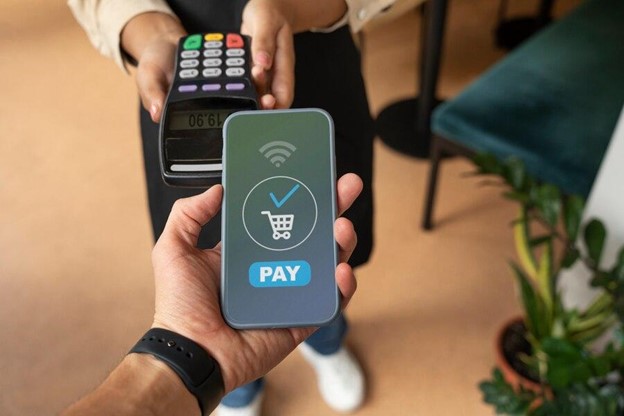
In the last few years, and especially in the wake of the pandemic, consumers have started to increasingly realize the many benefits of ordering both essentials and luxury items online. It helps them explore collections from multiple sellers, pay securely, and receive products within a certain timeline without stepping outside. Recently, the option of installment payments being offered by top e-commerce players is further improving the customer experience and driving conversions and sales.

Installment payments in e-commerce provide customers with more flexibility and boost overall satisfaction. This form of payment allows customers to buy anything they want, even premium items they usually wouldn’t consider, by deferring the billing or spreading out the payment over 4 or more installments.

As an online merchant, you can use an efficient gateway like PayTabs to offer buyers this solution during checkout. While you will receive the payment in full, customers can decide when and how to pay. Now, let’s see which sectors e-commerce benefit most from installment payments.

Installment Payments Benefitting These 5 E-Commerce Sectors

These 5 e-commerce industries are leading the way in embracing installment payments to ease the shopping experience for customers and attract more of them:

  1. Fashion and Apparel: Major brands such as Namshi, Calvin Klein, H&M, SHEIN, Tommy Hilfiger, and Lululemon have started offering installment payment solutions so that customers can shop for exclusive pieces and limited edition products that are usually priced high. This has also helped draw young millennials and Gen Z buyers, helping them overcome income limitations while staying fashionable and in vogue. It has also made gifting easy, particularly on special occasions or festive events.
  2. Beauty and Cosmetics: Top-quality makeup products can easily burn a big hole in any fashion-conscious woman’s wallet. But not anymore, with installment payments in e-commerce, as well-known names such as Sephora, Ulta Beauty, and Stila have already embraced the same. This enables customers of all ages to shop for their preferred items, including expensive face treatments, perfumes, lipsticks, and foundations, while keeping an eye on their budget for everything else.
  3. Electronics and Appliances: This is undoubtedly one of the top sectors that have benefitted from introducing installment payments in e-commerce transactions. Names such as LG and Samsung have already joined the bandwagon, making buying big-ticket items such as air conditioners, refrigerators, washing machines, and televisions hassle-free.
    Many hypermarkets in the Middle East, selling top-end laptops and iPhones, have also started offering the installment payment option so that customers can get their latest gadget fixation satisfied. Even those who have just started earning or students who solely depend on pocket money can now get their hands on snazzy items.
  4. Household Items and Furniture: Brands like IKEA and Bed Bath & Beyond are making their products more accessible and affordable for all, including new homeowners, tenants with modest incomes, young families, and single individuals, through installment payments. They are making it possible to own antique sofas, stylish dining tables, big wardrobes, and premium-quality linen without breaking a sweat or the bank. Buying lawn chairs, cushions, storage racks, and décor accents is also possible without paying for it all in one go.
    Given that the Middle East sees a decent influx of expatriates from countries near and far, including those on short work contracts, installment payments make life easy for many. And this is bringing the sector more customers.
  5. Entertainment: Gaming is a massive passion and a way to pass the time all around the world, and it is no different in the Middle East. However, video games, consoles, systems, collectibles, associated electronics, and accessories can noticeably pinch the customer’s pocket. With installment payments, though, it is now possible for avid gamers to own their favorites without resorting to despair or loans. The e-commerce gaming industry, with brands like GameStop, is allowing players to keep playing while paying affordably over time.

Reasons Why Top E-Commerce Sectors are Offering Installment Payments

Apart from increasing e-store traffic and driving conversions, installment payments in e-commerce are proving to be helpful in different ways:

  • Instilling Trust: Motivating newly-acquired customers to make a purchase is not always easy, especially if they are unfamiliar with a brand or new to online shopping. In such a scenario, offering to pay in installments can nudge them to buy something as they don’t have to invest in it in one go. Leading e-commerce industries realize that and are capitalizing on this smart payment mode.
  • Reducing Instances of Cart Abandonment: Often, even after adding items to their cart, customers tend to abandon it right before checkout. They either feel they cannot afford the total billing amount or are not too confident about paying the entire amount upfront without being sure about the product’s quality or efficacy. However, e-commerce sectors offering installment payments address this concern intelligently, as paying one-fourth of the bill, for instance, doesn’t seem too intimidating for most buyers.
  • Encouraging More Spending: By allowing customers to pay in manageable installments, leading e-commerce sectors gently lead them to consider buying more items than they intend to. That is because even if a shopper adds a couple of extra products to the cart, the total amount, when spread over 4 or more installments, seems pocket-friendly. However, the seller gets to boost their overall revenue.
  • Building Loyalty and Retention: Customers keep returning to sellers who offer them flexibility and freedom in terms of payment. And that is why top e-commerce sectors are using installment payments to fuel their growth, widen the consumer base, and improve loyalty. As this payment format ensures more transparency between the seller and buyer, it helps nurture their long-term relationship.

Conclusion

Now that you know how installment payments in e-commerce are aiding top industries to benefit in more ways than one, it is time to consider the same for your business. In a world of economic uncertainty, offering customers the scope to fulfil their needs without inviting financial worries can be a wise move.

Plus, you can stay competitive in a dynamic e-commerce landscape. A smart and reliable payment gateway like PayTabs can help you get started. Just assess your needs carefully and understand your customer personas before choosing a gateway that fits your budget.

FAQs

Q1. How can my e-commerce business benefit from offering installment payment options to customers?

You can attract more customers, win their trust, make purchases more affordable, offer more payment flexibility, and drive them to spend more. Offering installment payments will also boost your brand value and improve customer retention and loyalty in the long run.

Q2. Are there any specific industries or product categories where installment payments are more advantageous for e-commerce businesses?

While fashion, beauty, electronics, entertainment, and household items are the sectors that have benefitted immensely from introducing installment payment options, any e-commerce business can gain a competitive edge through the same. You just need to pick a payment gateway that is secure, efficient, easy to integrate with your website, and offers customization and holistic support.

Realtime Payments

Realtime Payments

When did you last wait a couple of days, or maybe a week, to receive payments from your customer or client? With real-time payments becoming every day, people are now starting to forget that they must wait several days for the money to be credited into their accounts. Cheques and demand drafts have become a thing of the past, with individuals and businesses growing accustomed to instant payments.

Real-time payments refer to transactions processed immediately and provide a swift transfer method between parties. In this blog post, we discuss how this payment method is rapidly changing the payment ecosystem in the UAE.

Benefits of Real-Time Payments

Real-time payments are transforming how businesses and individuals complete financial transactions. It offers a host of benefits as compared to traditional payment methods.

On-the-go Transactions

It eliminate the delays that were associated with traditional banking processes. Now, the receiver gets the funds instantly in their account. This transaction speed is particularly advantageous for time-sensitive transactions and allows quick and efficient transactions.

Enhanced Cash Flow Management

Real-time transactions work as a boon for businesses that might need to liquidify for immediate operational needs. With improved cash flow management, receivables are processed immediately, and companies have quicker access to funds.

Improved Transparency

With payments reflected in your account immediately, transparency in your financial transactions increases immensely. You don’t have to keep a record of payments coming in the future; instead, you get real-time visibility of when transactions are initiated, authorized, and completed.

Convenience for Consumers

Whether splitting bills among friends, paying retail stores, or making peer-to-peer payments, realtime payments enhance the overall convenience for consumers.

How Realtime Payments Work ?

The Central Bank of UAE announced the Instant Payment Platform (IPP) initiative, a part of the National Payment Systems Strategy (NPSS). This is a three-phased effort that is coming into effect in late 2023.

The UAE’s real-time payments strategy aims to:

  • Provide best-in-class payment services
  • Promote financial inclusion
  • Increase financial stability in the UAE

The IPP initiative prioritized creating a secure and interoperable payment infrastructure. The strategy involves:

  • Collaborating with banks, financial institutions, and payment service providers
  • Establish a strong network enabling seamless and instantaneous transaction
  • Real-time payments and funds transfers around the clock
  • Instant transfers between bank accounts are available at all times
  • Mandatory for all financial institutions in the country to participate

Use Cases for Real-Time Payments

The scope for using real-time payments is infinite. It is revolutionizing financial transactions with use cases spanning salary payment, bill settlement, retail transactions, bill splitting, emergency fund transfers, and peer-to-peer transfers.

Businesses and entrepreneurs can leverage real-time payments to streamline their supply chain processes, enhancing the customer experience and overall operational efficiency.

Real-Time Payments: Key Challenges and their Solutions

While real-time payments offer many benefits, they are not without their challenges. Some of the challenges and their proposed solutions are:

System Reliability

Real-time payment systems should be reliable enough to prevent any downtime or disruptions. This can impact the business significantly.

With the help of robust infrastructure, redundant systems, and proactive monitoring in place, system reliability can be maintained. Regular updates and system audits will automatically identify and mitigate potential issues.

Interoperability

With different payment systems available, interoperability can be a challenge. The varying standards and protocols of multiple platforms can hinder seamless transactions.

Interoperability can be achieved with industry collaboration and standardization efforts. This will ensure that different systems can communicate effectively and facilitate cross-platform transactions.

Cybersecurity

Unauthorized access, fraud, and data breaches can occur during payments necessitating robust cybersecurity measures.

Advanced encryption, multi-factor authentication, and continuous monitoring can help safeguard real-time payments.

Regulatory Compliance

Ensuring compliance with evolving regulations can be challenging for financial institutions and businesses.

Establishing a dedicated compliance team, staying informed about regulatory updates, and investing in compliance automation tools assist in navigating the regulatory environment effectively.

User Education

One of the biggest challenges is to familiarize users with real-time payment systems’ features and security measures. This can lead to potential errors, confusion, and reluctance to adopt new technology.

Users can be educated with the help of comprehensive user education programs, tutorials, and FAQs.

Future Trends Related to Real-Time Payments

Real-time payments are at an exciting juncture, with technological advancements occurring every day. Artificial intelligence, blockchain, and advanced data analytics will further enhance these payment systems’ speed, security, and efficiency.

Digital currencies are also emerging rapidly, making cross-border real-time payments a reality.

How Businesses in the UAE Can Start Using Real-Time Payments ?

To embrace real-time payments in the UAE, businesses can follow a systematic approach.

  • First, they need to assess their existing payment infrastructure and capabilities.
  • Collaborating with financial institutions that support real-time payments is crucial.
  • Integration with reliable payment gateways and compliance with regulatory requirements are essential steps.
  • Finally, training employees and customers on the benefits and usage of real-time payments will also facilitate a smooth transition.

Conclusion

Real time payments are no longer a distant future; they are here, and forward-thinking businesses must consider integrating them to provide customers a spotless customer experience.

PayTabs is a rapidly growing payment gateway in the UAE and Middle East. Integrating with PayTabs will enable your business to offer real-time payments to the valued customers and clients.

Also Read: How To Integrate Payment System Into The Existing App

Managing your financial transactions with PayTabs is fast, secure, and easy to navigate. We will help you adopt new innovative solutions that will provide sustainable success for your business.

FAQs

What are realtime payments?

Unlike traditional payments, real-time payments are instant, electronic transactions that enable immediate funds transfer between parties.

What are the benefits of real-time payments?

Real-time payments offer several benefits ranging from swift, transparent, and secure financial transactions improving cash flow management, enhancing transparency, and reducing the risk of fraud.

How do real-time payments work?

Secure protocols and advanced technology make real-time payments a reality. Whenever a sender initiates a payment, it is first verified by the financial institution, and if everything’s in order, the funds are transferred instantly with immediate confirmation to the recipient.

How can I send and receive real-time payments?

It is effortless to send and receive real-time payments. You can use the platform the payment gateway provides that supports real-time payments, initiate the transaction, and watch it go to the recipient’s account seamlessly.

What is an example of a real-time payment?

A person using a mobile banking app to transfer money to a friend and that friend receiving the money in their bank account instantly is an example of real-time payment.

PayTabs
Privacy Overview

This website uses cookies so that we can provide you with the best user experience possible. Cookie information is stored in your browser and performs functions such as recognising you when you return to our website and helping our team to understand which sections of the website you find most interesting and useful.